



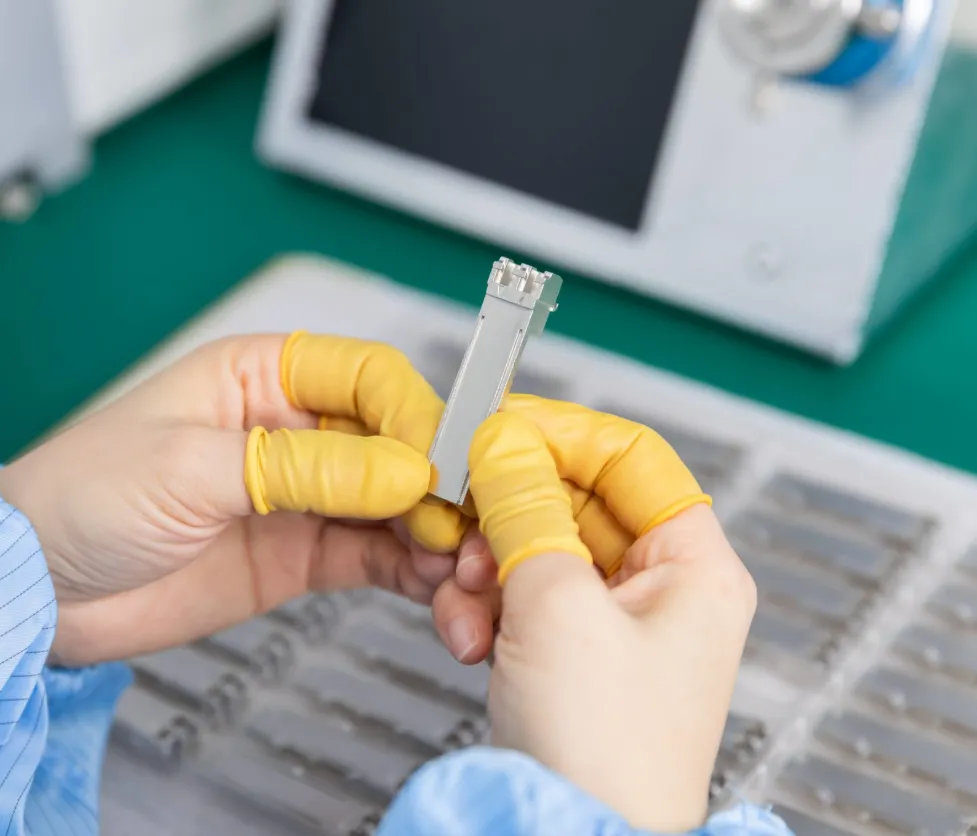
Optical transceivers play a vital role in today’s high-speed communication systems. Whether in data centers, enterprise networks, or telecom environments, these modules support fast, stable data transfer across fiber links. To keep them performing at their best, it’s important to follow proper handling, installation, and maintenance practices. Below is a practical guide outlining key steps to help you get the most reliable operation from your optical transceivers.
Choose the Correct Transceiver for Your Needs
Begin by selecting a model that matches your network’s speed and distance requirements. Transceivers come in many formats—from SFP and SFP+ to QSFP and CFP—and each one serves different bandwidth and reach specifications. Ensuring that your choice aligns with your system’s design will prevent compatibility issues later.
Confirm Hardware Compatibility
Not all transceivers work seamlessly with every switch or router. Before installation, verify that the module is approved for the device you intend to use. This helps avoid unexpected communication failures and ensures stable operation.
Keep Connectors Clean
Dust can easily interfere with optical signals. Regular cleaning of fiber connectors and transceiver interfaces prevents performance loss and improves reliability. Use cleaning tools specifically made for fiber applications to avoid damaging sensitive components.
Handle Modules Gently
Optical transceivers contain delicate parts. Avoid touching optical surfaces and always ground yourself to prevent static discharge. Careful handling helps extend the lifespan of the module.
Insert and Remove Modules Properly
Improper insertion can damage both the transceiver and the host port. Slide the module straight into the slot and use the built-in latch or handle to remove it when necessary. Never force it into place.
Watch Operating Temperatures
Each transceiver is designed to work within a specific temperature range. Excess heat can shorten its lifespan or cause it to fail. Ensure your equipment is well-ventilated and that the environment stays within the recommended limits.
Check for Excessive Signal Loss
Signal degradation can stem from poor connections or damaged fiber. Regularly measure power levels along your links to ensure minimal loss and identify problems early.
Use High-Quality Fiber Cables
The performance of your transceiver depends heavily on the fiber attached to it. Inferior or mismatched cable types can lead to slow transmission and packet errors. Select cables that meet industry standards for your intended application.
Avoid Tight Bends in Fiber
Every fiber cable has a minimum bend radius. Exceeding it can cause micro-damage that weakens the signal. Follow manufacturer guidelines and route cables carefully to prevent strain.
Maintain Adequate Cooling
Transceivers generate heat during operation. A rack or data center with proper airflow ensures that modules stay within safe temperature ranges and operate consistently.
Keep Firmware Up to Date
Some transceivers come with upgradeable firmware that enhances performance and fixes issues. Periodically check for updates and apply them as recommended.
Test Before Deployment
Before placing a transceiver into a production environment, perform a basic functionality test. Confirm that it can transmit and receive data reliably to avoid complications during live operation.
Stay Within Rated Distance
Every module has a defined maximum transmission distance. Using it beyond its rating can cause data loss or unstable communication. Confirm that your fiber span is within supported limits.
Monitor Key Performance Metrics
Continuous monitoring helps detect developing issues before they interrupt service. Many network platforms provide tools to watch metrics such as optical power, temperature, and link stability.
Replace Failing Units Quickly
If a transceiver begins to malfunction or shows inconsistent readings, replace it promptly. Keeping spare modules available makes it easier to respond quickly and minimize downtime.
Conclusion
Ensuring the dependable performance of an optical transceiver involves selecting the right model, installing it properly, and maintaining it over time. By following these best practices, you can extend the life of your equipment and maintain a stable, high-quality network. With careful attention to detail, your optical transceivers will continue delivering fast and reliable connectivity across all your critical systems.
