



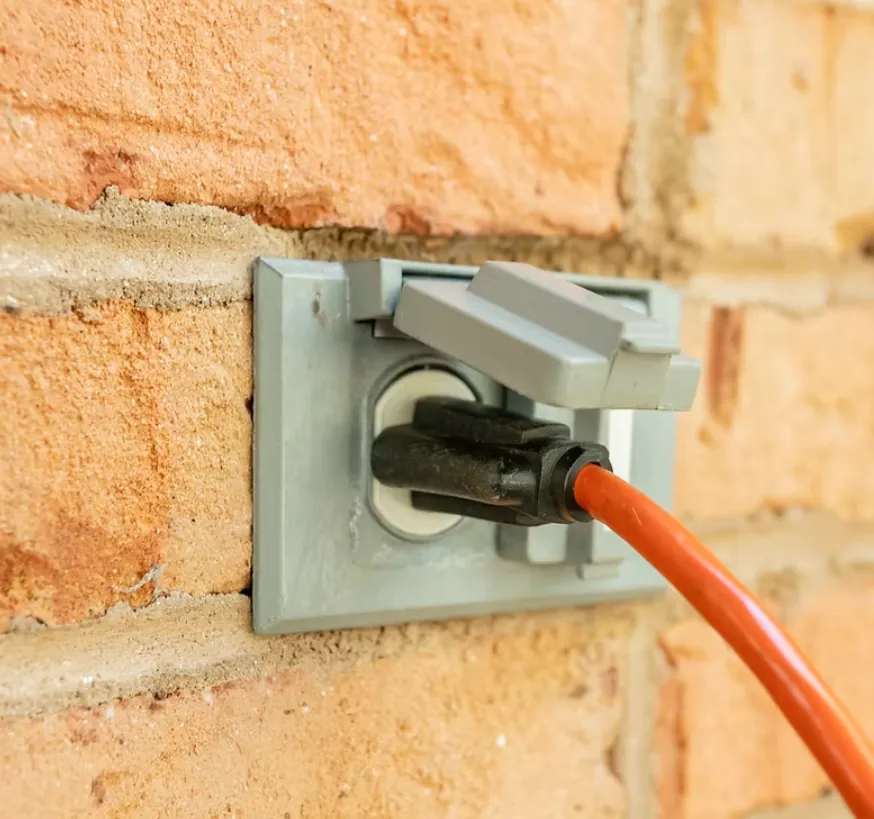
Adding power to your garden, patio or outbuildings can transform how you use your outdoor space. Whether you’re planning lighting, powering tools or installing outdoor appliances, the electrics must be handled with care. Exterior environments expose wiring and equipment to moisture, temperature changes and physical damage — all of which can compromise safety if the installation isn’t properly protected.
Here are five practical solutions to help you safeguard your outdoor electrical setup and keep it running safely for years to come.
1. Start with Proper Weather Protection
The most important part of any outdoor electrical installation is ensuring that it can withstand the elements. Rain, frost and humidity can cause faults if fixtures and sockets aren’t adequately sealed.
Choose weatherproof boxes, covers and IP-rated sockets that are specifically manufactured for outdoor use. These protect internal components from moisture and dirt, reducing the risk of short circuits or corrosion. Selecting the correct IP rating for your environment ensures your equipment stays safe no matter the weather.
2. Use Conduits or Trunking to Shield Cables
Exposed cables are open to UV rays, accidental damage and general wear. Running them through PVC conduit, metal trunking or using armoured cable provides a strong line of defence against these hazards.
If your installation requires cables to be visible, opt for UV-resistant versions designed for prolonged outdoor exposure. Proper protection prevents cracking or deterioration, helping your system remain reliable over time.
3. Install Underground Cables Safely
When placed underground, cables must be buried deep enough to avoid accidental disturbance. A recommended depth of around half a metre helps prevent damage caused by digging or gardening.
Lay the cables in protective conduit or use armoured options suitable for burial. Mark the route with warning tape before backfilling to ensure it’s easily identified later. For safety, all buried cables should be connected to an RCD to ensure immediate disconnection if a fault occurs.
4. Fit Dedicated Outdoor Power Outlets
Relying on indoor extension leads for outdoor power is never a long-term solution. They can cause tripping hazards, aren’t waterproof and deteriorate quickly when exposed to the elements.
Installing purpose-built outdoor sockets gives you secure, convenient access to electricity where you need it. Weatherproof and often lockable, these outlets are designed to handle moisture and heavy use, offering far greater longevity and safety.
5. Select Outdoor-Approved Fixtures and Fittings
Every light, switch and appliance installed outside should be designed for exterior conditions. Using fittings without the correct protection increases the likelihood of rust, overheating or electrical failure.
Choose outdoor-rated lighting and equipment that can handle exposure to rain, dust and fluctuating temperatures. This ensures stable performance and reduces fire risks associated with unsuitable products.
Final Thoughts
Outdoor electrics open up a world of possibilities for your garden and exterior spaces, but they require thoughtful installation and robust protection. By combining the right materials with safe practices, you can create an outdoor electrical system that is dependable, efficient and built to last.
