



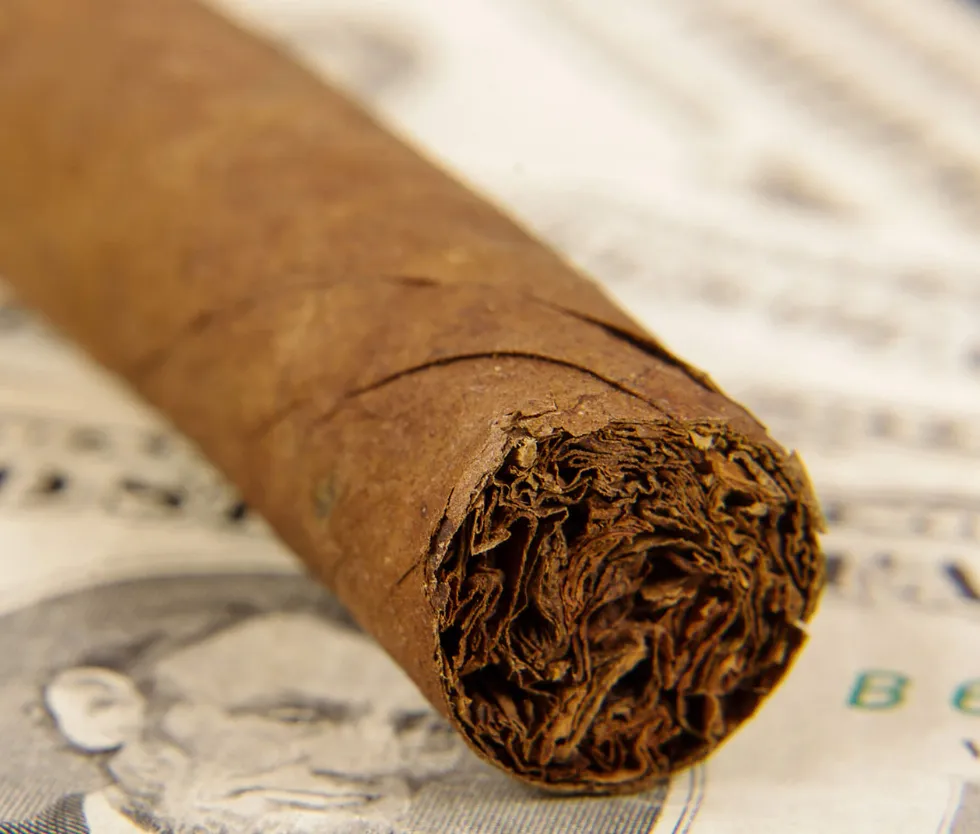
Selling premium cigars isn’t like selling everyday tobacco products. Your customers aren’t just buying something to smoke — they’re paying for craftsmanship, rarity, and experience. But finding the right price point can be tricky. Set it too low, and you lose out on potential profit. Set it too high, and customers might look elsewhere.
Luxury pricing requires a careful balance between perceived value and true cost. Below are seven proven strategies to help retailers price premium cigars for maximum return while maintaining customer loyalty.
Understanding Premium Cigar Markups
Premium cigars sit in a unique category of retail. While standard tobacco margins hover between 5% and 15%, rare cigars can command markups of 100–300%. These numbers reflect more than just product cost — they also account for the time, expertise, and environment that make premium cigars special.
When calculating your markup, consider:
- Storage and climate control: Maintaining ideal temperature and humidity levels requires investment in equipment and electricity.
- Aging: Cigars that sit in your humidor for months or years tie up capital and increase carrying costs.
- Customer service and expertise: Staff who provide recommendations and product education add value that should be reflected in your prices.
Remember, luxury buyers associate higher prices with higher quality. When positioned correctly, premium pricing can enhance desirability rather than deter sales.
1. Tiered Pricing by Rarity and Exclusivity
Creating pricing tiers helps customers navigate your selection while emphasizing the exclusivity of certain cigars. Group products into categories such as:
- Everyday premiums: $20–$40
- Limited releases: $40–$100
- Rare or aged cigars: $100+
Scarcity drives perceived value. Make it clear when a product is limited edition or available in small quantities. Use your point-of-sale system to label and track these tiers, helping you analyze sales trends and determine which price points perform best.
2. Time-Based Aging Premiums
Aged cigars appreciate in value over time, much like fine wine. Incorporating a time-based premium into your pricing ensures you recover the costs of long-term storage.
For example, add an additional 15–25% markup per year for cigars aged beyond their original manufacturer date. A two-year aging period could justify a 30–50% increase.
The key is education — explain the benefits of aging to customers so they understand they’re paying for enhanced flavor, quality, and rarity, not just time on the shelf.
3. Membership and Lounge Pricing
If your store features a cigar lounge, you can leverage it as part of your pricing model. Many customers will pay 20–30% more for the opportunity to enjoy their cigar in a relaxing, curated environment.
You can also introduce membership tiers to encourage loyalty. Offer standard members a 10% discount and VIP members 15–20% off in exchange for an annual fee or recurring purchase commitment. These memberships provide consistent revenue while giving customers a sense of exclusivity.
4. Prestige Pricing Through Brand Positioning
A cigar’s brand reputation often influences its perceived value more than its actual production cost. Consumers are willing to pay more for established labels or products displayed in a luxury setting.
Position your store as a premium destination by:
- Curating high-end brands and limited-edition collaborations.
- Investing in elegant display cases and professional presentation.
- Training staff to offer personalized recommendations.
Round-number pricing can also enhance prestige — a $50 cigar feels more exclusive than one priced at $47.99. Avoid discount psychology and focus on communicating quality.
5. Seasonal and Event-Based Pricing
Demand for cigars isn’t static. It peaks during specific times of year — holidays, Father’s Day, and warm-weather months tend to see increased sales. Adjusting prices during these periods allows you to capture more value when demand is strongest.
You can also create your own events to justify short-term premiums. Hosting tasting sessions, pairing nights, or launch events adds experiential value, allowing for 10–15% higher pricing on featured products.
Using your POS system to track demand patterns helps you anticipate seasonal trends and fine-tune your pricing accordingly.
6. Bundle Pricing Strategies
Bundles are an effective way to increase perceived value and reduce price resistance. By packaging multiple items together, customers focus on the overall experience rather than the individual cost.
Here are a few approaches:
- Sampler packs: Combine everyday cigars with one or two premium options to introduce customers to luxury selections.
- Pairing sets: Package cigars with complementary products like whiskey, coffee, or accessories.
- Gift bundles: Present high-end cigars in custom boxes with lighters or cutters for special occasions.
These curated bundles create an impression of added value and convenience, justifying a higher overall price point.
7. Competitive Intelligence Pricing
While competing solely on price can harm your margins, it’s important to stay aware of market trends. Research what other retailers — both online and local — are charging for similar cigars.
Only consider price matching when a customer brings it up and the competitor’s offer is legitimate. Otherwise, focus on differentiating your store through customer experience, product knowledge, and added value rather than price cuts.
Using Modern POS Tools to Support Premium Pricing
To apply these strategies effectively, you need accurate, real-time data. A modern POS system designed for tobacco retailers provides insights that help you fine-tune your pricing. Look for features such as:
- Sales tracking by category and price point to identify what sells fastest.
- Comprehensive cost monitoring that includes storage, labor, and time-related expenses.
- Customer analytics to understand who buys premium products and when.
- Inventory aging tools to monitor how long cigars stay in stock.
- Detailed profit reports to evaluate which pricing models deliver the highest return.
By combining these insights with strategic pricing, you can protect your margins while enhancing the customer experience — ensuring that every premium cigar you sell delivers premium profit.
