



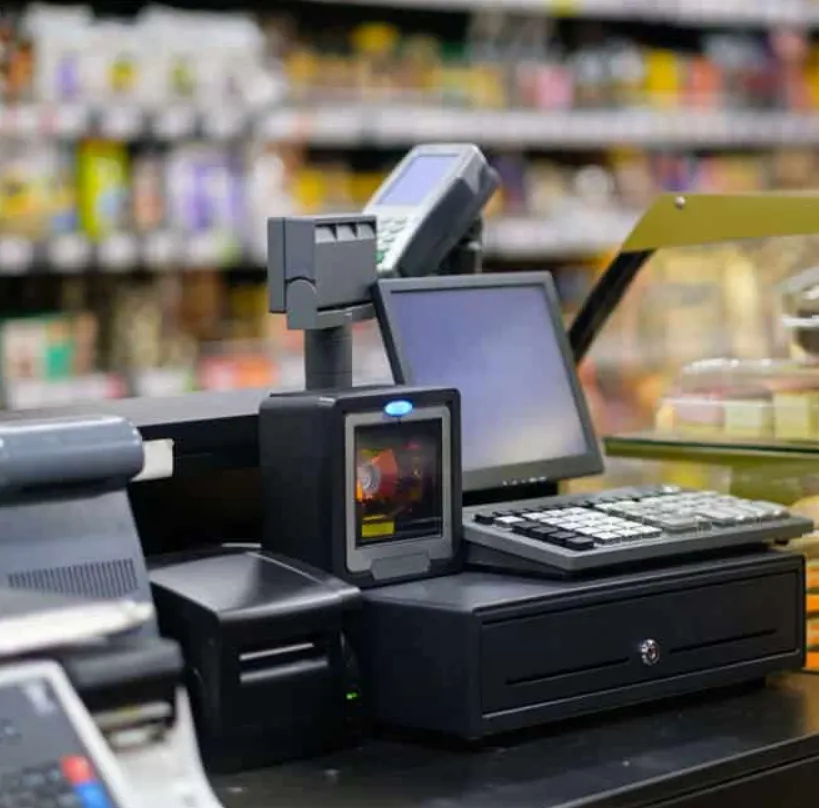
The liquor retail market continues to grow as shoppers explore higher-end spirits and unique beverage categories. But capturing this demand requires more than stocking attractive products — it also means having a POS system built to handle the specific challenges of selling alcohol. From age verification to complex tax rules, liquor stores face operational demands that generic retail POS systems simply can’t manage well.
If your store is still using a basic setup, you may be missing critical features that protect your business and support long-term growth. Below is a look at the essential capabilities a liquor-focused POS system should offer, along with six providers worth exploring.
Essential Features Every Liquor Store POS System Should Have
Liquor stores operate under unique regulations and inventory conditions, so a strong POS system needs to solve challenges beyond standard checkout functions. Key features to look for include:
Integrated ID scanning with fraud protection
Compliance tools for alcohol and tobacco regulations
Case-breaking and mix-and-match pricing management
Serialized tracking for premium or limited-edition bottles
Automated excise tax calculations across jurisdictions
Support for all major payment types
Customer purchase history and loyalty reward capabilities
A system built with these features will reduce compliance risks, streamline daily tasks, and help you manage a complex inventory with confidence.
Square
Best for: New shops or mobile sellers
Square is easy to set up and ideal for small retailers who want quick, simple functionality without a big upfront investment. While not created specifically for liquor stores, it covers most of the basics.
Highlights:
Age-verification tools
Real-time inventory tracking
Mobile POS options
Gift card support
Price: Square Plus starts at $29 per month.
Square doesn’t include advanced liquor-specific features like case-breaking or detailed compliance reporting, but it’s a reasonable starting point for new store owners.
Lightspeed Retail
Best for: Stores expanding into online sales
Lightspeed is a cloud-based system built for omnichannel businesses. Retailers who want to connect in-store and online operations may find it especially appealing.
Highlights:
Online and in-store inventory sync
Age-verification integrations
SEO-friendly website builder
Buy-online-pickup-in-store tools
Robust reporting options
Price: $89–$289 per month, with custom enterprise packages available.
Lightspeed shines in states where online alcohol sales are permitted and can help liquor stores build a strong e-commerce presence.
KORONA POS
Best for: Owners who need remote back-office access
KORONA offers liquor-focused features and is a strong fit for shops that want to manage operations from anywhere.
Highlights:
ID verification reminders
Cloud-based management via KORONA Studio
Custom permission controls for staff
Loyalty program support
Price: Starting at $59 per month.
KORONA is ideal for stores that want flexibility, remote access, and tools designed to support day-to-day liquor retail needs.
mPower POS
Best for: Multi-location liquor chains
mPower is built exclusively for liquor retailers, making it one of the most specialized tools available. Its features are geared toward stores with larger inventories and multiple locations.
Highlights:
Centralized pricing and promotion management
Smart reorder recommendations
Mobile inventory app for handheld scanners
Data migration support
Price: $1,000 upfront plus $120 per month per register; additional register setup is $250 plus $120 per month.
This system is a solid match for retailers with high sales volume or plans to scale.
NCR Counterpoint
Best for: Gas stations and convenience stores selling alcohol
NCR supports a wide range of retail environments, including fuel stations and mixed-format stores.
Highlights:
Advanced customer tracking
Detailed product attributes
Comprehensive reporting suite
Inventory management across multiple channels
Price: Custom quotes only.
Counterpoint is best suited for established operations with complex products, higher foot traffic, or multiple business lines.
Bottle POS
Best for: Small and mid-size liquor stores wanting industry-built features
Bottle POS was created by liquor store owners, making it uniquely tailored to the realities of alcohol retail. It includes automation and compliance tools that most generic systems lack.
Highlights:
Age verification with integrated compliance tracking
Automatic invoice entry
Case-bottle inventory conversion
Inventory ranking based on sales performance
Built-in loyalty and SMS marketing
Remote access from any device
Compatible with most Windows 10+ touchscreen hardware
Pricing: Quotes provided based on hardware and software needs.
Bottle POS is a powerful all-in-one option for liquor stores looking to streamline operations and grow revenue.
How to Choose the Right POS System for Your Liquor Store
To narrow down your options, follow a simple evaluation process:
1. Review your current operations.
Consider your product mix, customer base, and the volume of transactions you handle.
2. Understand your compliance responsibilities.
Different states require different reporting and age-verification standards — your POS must support them.
3. Assess your technology setup.
Determine whether your hardware and internet connection can support more advanced software.
4. Consider future growth.
If you plan to add locations or online sales, choose a system that can scale.
5. Look at total long-term costs.
Factor in processing fees, support costs, and training needs — not just monthly subscription prices.
6. Choose a provider with liquor industry expertise.
Support from a team that understands your challenges is invaluable.
Choose the POS That Supports Your Growth
The right POS system can make liquor store operations more efficient, compliant, and profitable. While each of the six systems above has its strengths, the best choice depends on your store’s needs, size, and long-term goals. Focus on liquor-specific functions, transparent pricing, strong support, and a track record of serving beverage retailers.
