



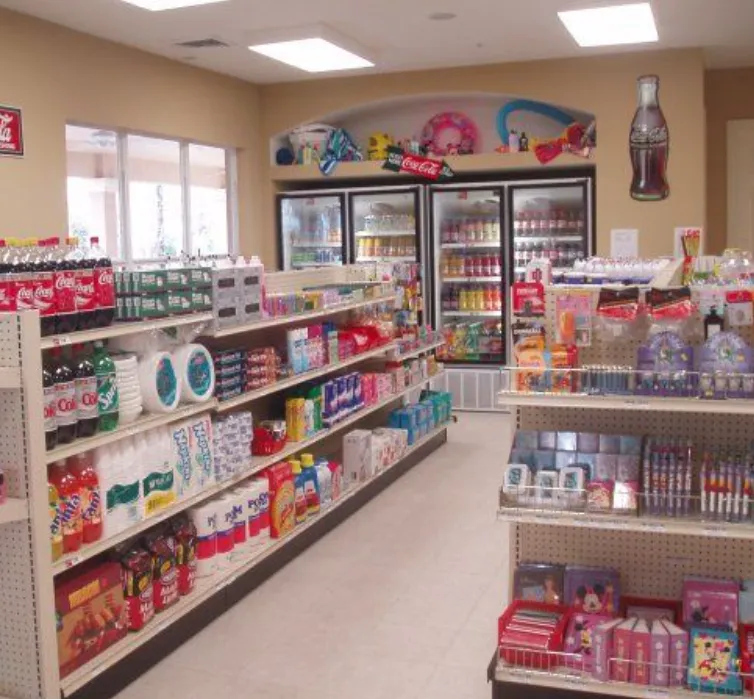
Convenience stores play a bigger role than ever in busy communities, offering quick meals, daily essentials, and grab-and-go options for people who are always on the move. As the industry continues to grow, staying competitive means adapting to shifting customer habits and embracing new ideas that enhance both traffic and sales.
Whether you’re opening your first neighborhood market or refining a long-established shop, the right strategies can help you increase visits, lift average purchases, and build lasting customer loyalty. Here are five practical ideas you can start implementing today.
1. Serve Hot Food That Brings Customers Back
Fresh, ready-to-eat meals are becoming a major draw for modern convenience stores. Younger shoppers in particular favor quick, quality food options — and in many locations, hot food is one of the biggest revenue drivers.
If you want to turn your store into a go-to spot for quick meals, consider introducing:
A small deli counter with sandwiches, salads, soups, and wraps
International favorites such as tacos, sushi rolls, or Mediterranean flatbreads
Locally made items from area bakers, butchers, or chefs
Protein-heavy, low-fat, or plant-based options for health-focused customers
A well-stocked food counter not only boosts sales but also gives customers more reasons to choose your store over fast-casual restaurants.
2. Go Beyond Basic Snacks
Today’s shoppers expect variety. Many want healthier picks, gourmet treats, or new flavors they can’t find anywhere else. Expanding your product selection helps you capture impulse buys and increases the chances of customers visiting more frequently.
Consider:
Rotating in seasonal or limited-release snacks and drinks
Offering plant-based foods, low-sugar beverages, and functional items like electrolyte drinks
Creating a café-inspired drink menu with espresso, iced coffee, or specialty teas
Use your POS data to see which items are gaining traction and adjust your inventory to match the interests of your neighborhood.
3. Modernize Your Store With Smart Technology
Smart technology is reshaping retail operations, making it easier to stay stocked and reduce waste. Instead of relying on manual checks or reacting to equipment failures, technology can alert you to problems before they impact sales.
Upgrades to consider include:
Smart shelves that detect when items are running low
POS-integrated inventory tools that automate reordering
Refrigeration systems with temperature monitoring and instant alerts
These tools ensure your bestsellers stay on the shelves, prevent expensive spoilage, and help your store run more smoothly overall.
4. Use AI Tools for Smarter, Faster Decisions
AI-powered tools are helping convenience store owners make decisions with greater accuracy and less guesswork. They can analyze large amounts of data quickly, offering insights that would take hours to find manually.
Ways to put AI to work include:
Predicting demand for top-selling products throughout the week
Automating staff schedules based on traffic patterns
Sending personalized promotions to customers based on previous purchases
Using AI helps you stay ahead of customer demand and creates opportunities to improve efficiency and engagement.
5. Offer Delivery and Pickup Options
More than a quarter of Americans now use delivery apps every week — and convenience stores are becoming a popular choice for fast ordering. Offering delivery and pickup helps you reach customers who may never walk through your doors.
You can expand your reach by:
Setting up online ordering through a simple website or delivery marketplace
Partnering with services like Uber Eats or Grubhub to handle fulfillment
Adding curbside pickup for customers who want a quick, contactless experience
These services make your store accessible to customers wherever they are, giving you a competitive edge in a busy market.
Boost Your Store’s Growth With These Ideas
Staying competitive in today’s convenience retail world means embracing new trends, smart technology, and customer-focused offerings. By incorporating these ideas into your operations, you can create a store that customers rely on — not just for quick stops, but for everyday meals, household essentials, and modern conveniences.
