



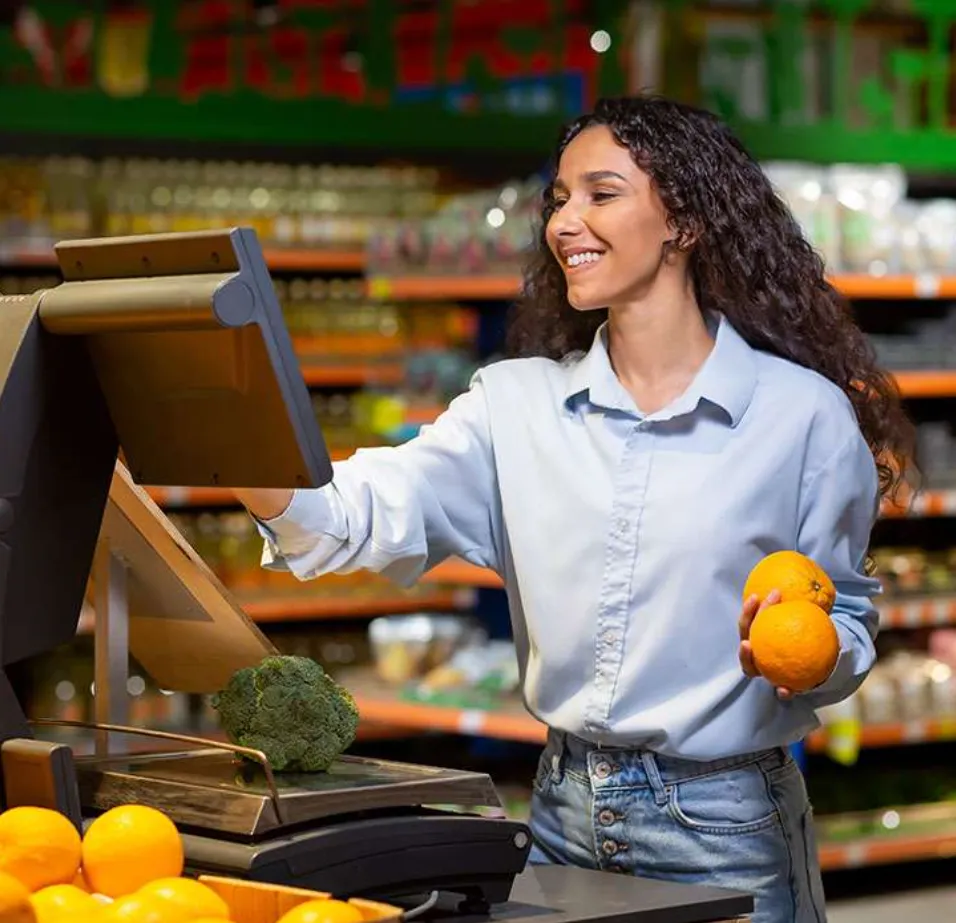
Running an independent grocery store today comes with more pressure than ever. Customers have higher expectations, inflation continues to influence shopping habits, and big-box chains seem to roll out new initiatives overnight. It’s easy to wonder whether a small neighborhood store can keep up.
The truth is, small grocers are uniquely positioned to adapt quickly and build stronger customer relationships—advantages larger retailers can’t easily replicate. With the right strategies, you can turn today’s challenges into real opportunities.
Below are seven grocery store trends that will shape 2025 and practical ways your store can benefit from them, even without a corporate-sized budget.
Understanding the Grocery Landscape in 2025
The grocery industry has been shifting rapidly. After significant price increases in recent years, shoppers are more cautious and strategic about their purchases. They’re mixing in-store and online shopping, comparing deals across retailers, and leaning more heavily on value-driven choices.
While national chains struggle with sluggish supply chains and high overhead, small grocers can pivot faster and offer the personal connection customers increasingly crave. To stay competitive, it’s essential to understand which trends truly matter and how to implement them effectively.
1. Embrace Smart Inventory Management
Food waste remains a major issue worldwide, and for small stores, spoilage can quickly drain profit. Smarter inventory management is becoming nonnegotiable.
Modern POS systems now include features that help reduce waste and keep popular items in stock. These tools can:
Track sales patterns in real time
Generate automated reorder suggestions
Alert you to low or soon-to-expire items
Improve ordering accuracy
With better forecasting, you can maximize margins, minimize losses, and maintain a fresher selection for your customers.
2. Lean Into Local and Community Connections
Shoppers are increasingly motivated to support local businesses, seeking authenticity and personal interaction over generic products and crowded aisles.
Independent grocery stores can capitalize on this trend by:
Partnering with local farms, bakers, and specialty producers
Creating a “local favorites” section with stories behind the products
Hosting small community-driven events or vendor pop-ups
These strategies build loyalty and differentiate your store from larger competitors. Customers love feeling connected to the businesses they support—and community roots are something big chains can’t replicate.
3. Focus on Value, Not Just Price
Price sensitivity is at an all-time high, but competing solely on cost isn’t realistic for most small grocers. Instead, think in terms of value.
Some ways to highlight value include:
Using dynamic pricing tools in your POS system
Offering targeted promotions based on past purchases
Creating a balanced mix of premium and budget-friendly items
Designing “value sections” with competitively priced essentials
Value-driven customers don’t always buy the lowest-priced item—they want a great experience and reliable quality. When you deliver both, they’re more willing to shop local.
4. Improve Checkout Speed and Efficiency
Shoppers want fast, smooth checkout experiences. Self-checkout, in particular, has become a preferred option for many consumers. That doesn’t mean replacing your team—it means giving customers choices.
Consider implementing:
Contactless payment options
A hybrid checkout model with both assisted and self-service lanes
POS software designed for grocery operations
Automation for back-office tasks like reporting and inventory counts
By reducing bottlenecks at the register, your staff can focus more on customer service—one of your strongest advantages as a small business.
5. Offer Health, Wellness, and Specialty Products
Wellness continues to dominate consumer behavior, with shoppers actively seeking products that support a healthier lifestyle. This trend presents an excellent opportunity for small grocers.
Unlike large chains, you can curate niche items tailored to your community, such as:
Organic snacks
Plant-based alternatives
Functional beverages
Specialty supplements
These products often carry higher margins, and customers tend to return frequently to replenish them.
6. Expand Grab-and-Go and Prepared Food Options
Busy lifestyles have pushed demand for ready-to-eat meals and snacks to new heights. Customers want quick, high-quality options they can trust.
You don’t need a full kitchen to offer convenient choices. Start with:
Partnerships with local delis or bakeries
Simple ready-made meals and prepackaged salads
Popular breakfast and beverage options like coffee or pastries
Track which items sell best, then expand gradually. Prepared foods can quickly become a profitable category when managed well.
7. Strengthen Customer Loyalty
Consumers are more open to loyalty programs than ever, but they expect meaningful value in return. A well-designed rewards program can help you stand out and bring customers back more often.
To build an effective program:
Use POS customer data to personalize offers
Reward frequent purchases with exclusive deals
Send updates through email or social media
Feature local partnerships or seasonal promotions
A good loyalty program strengthens relationships and turns occasional shoppers into long-term advocates.
Putting These Trends Into Practice
The trends shaping the grocery industry don’t require massive budgets—they require strategic choices. Start small, pick one or two areas to focus on, and expand as you gain momentum.
The most important step is setting up systems that make change manageable. A modern grocery-focused POS system supports every trend on this list, giving you the tools to manage inventory, track customer behavior, streamline checkout, and grow with confidence.
