



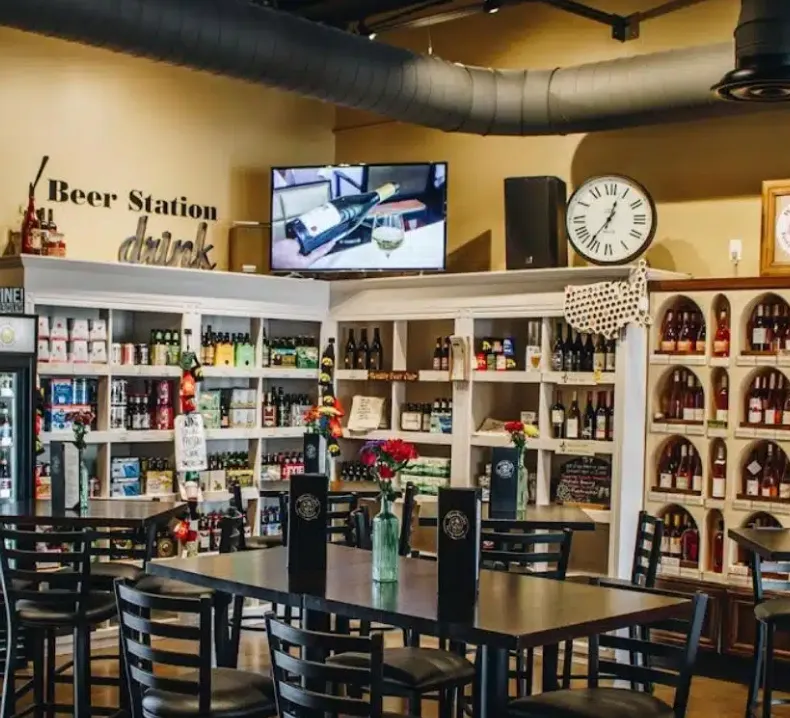
Opening a liquor store can be a rewarding business move, offering strong margins and long-term growth opportunities. But before you start stocking your shelves, you’ll need to decide whether to operate independently or join a franchise. Each route has benefits and drawbacks, and the best choice depends on your goals, budget, and desire for creative control.
This guide breaks down how both business models work and what to expect from each, helping you make an informed decision about the future of your store.
What Is a Liquor Store Franchise?
A liquor store franchise allows you to run a business under an established brand name. Companies such as BevMax or Macadoodles provide everything from layout guidelines to marketing templates, giving you a clear operational framework.
A franchise model typically offers:
Stronger brand recognition from day one
Access to proven systems and operational playbooks
Better pricing through national supplier networks
Training and ongoing support from the franchisor
These advantages shorten the learning curve and reduce early mistakes. However, they also come with limitations. Startup costs are often steep—commonly between $300,000 and $1.3 million—with franchise fees on top. You’ll also be required to follow strict branding and operational rules, which limits your ability to choose vendors or customize your product selection.
How Does an Independent Liquor Store Work?
Running an independent liquor store gives you full ownership over every aspect of the business. You choose the name, aesthetics, pricing, product offerings, and long-term direction.
Owning an independent shop allows you to:
Curate a unique product lineup tailored to your customers
Allocate your budget exactly how you see fit
Create a store environment that reflects your brand vision
Make quick adjustments to promotions, pricing, or inventory
Because you’re not bound to a corporate structure, you have more freedom to experiment and adjust as your business grows. This path does require more upfront planning and hands-on management, especially during the early stages when you’re securing licenses and building vendor relationships. Still, many owners find the autonomy worthwhile.
Liquor Store Franchise vs. Independent Store: Key Differences
Choosing the right structure affects how you’ll run your business, what you’ll earn, and how much creative control you have.
Here are some factors to consider:
Startup investment: Franchises require fixed fees and compliance with corporate guidelines, whereas independent stores let you invest on your own terms.
Earning potential: Independent owners typically see higher earning ranges—often between $300,000 and $1.2 million in gross revenue—compared to U.S. franchise owners, who average around $80,000 annually.
Compliance requirements: Both models must adhere to state alcohol laws, but franchises add another layer of corporate oversight, approvals, and periodic inspections.
Long-term flexibility: Franchise agreements may restrict expansion, resale, or even décor adjustments. Independent owners can evolve their concept as they see fit, opening new locations or rebranding whenever they choose.
For entrepreneurs who prioritize independence and long-term financial rewards, an owner-operated model often provides more flexibility and opportunity. The tradeoff is taking full responsibility for operations—including choosing the systems that support daily workflow.
Choosing the Right POS for Your Independent Store
Running your own liquor store means selecting tools that support accurate inventory, compliance, and fast checkout. A dedicated liquor POS system helps streamline operations without relying on generic software or corporate systems.
Key features to look for include:
Built-in age verification to prevent compliance issues
Detailed inventory tracking for bottles, cases, and high-margin items
Vendor management tools for reorders and stock levels
Automated reporting for sales tax, end-of-day activity, and profit analysis
Support for multiple payment types to speed up checkout
Selecting a POS designed specifically for liquor retailers gives your independent store a competitive edge—helping you stay organized, operate efficiently, and deliver a smooth experience for customers.
