



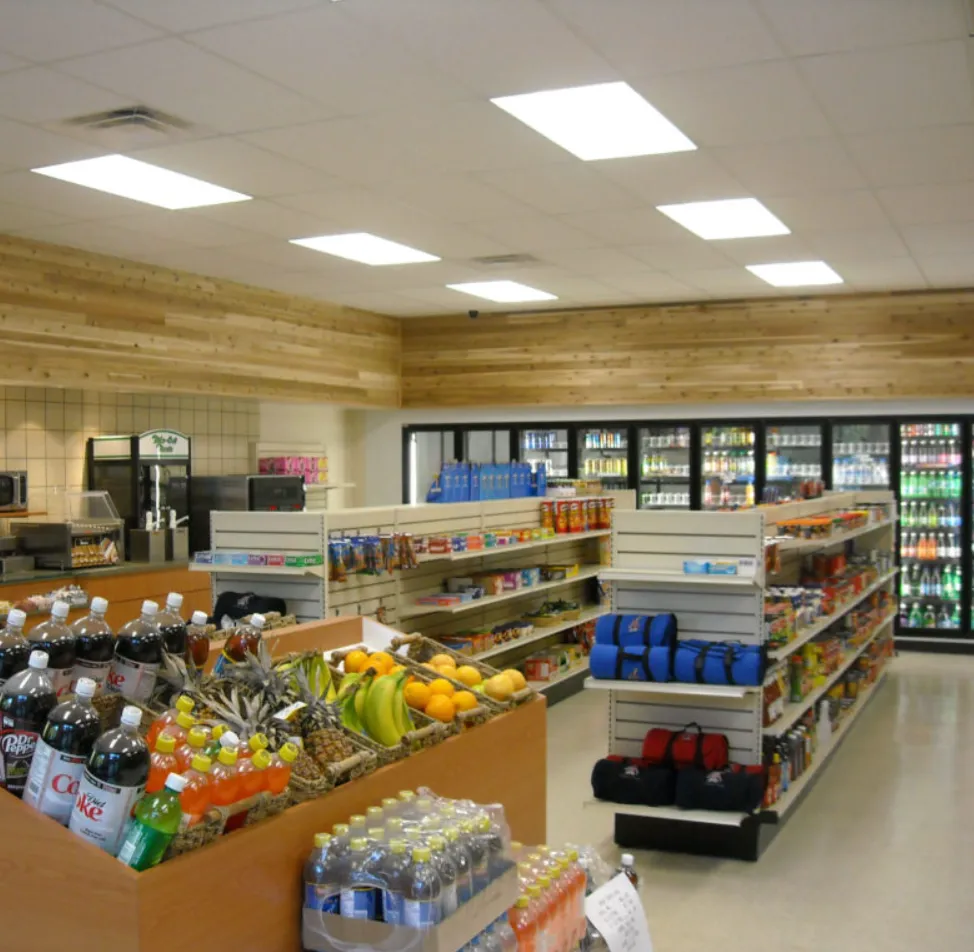
A neighborhood convenience store does more than offer quick snacks and essentials—it supports the daily rhythm of the community. But running a small c-store comes with its own challenges. With a compact space, unpredictable rushes, and thin margins, even minor issues—like empty shelves or a pricing mistake—can disrupt the entire day.
The right systems and routines can make running your store easier, more profitable, and far less stressful. Here are six strategies to help you streamline operations and consistently deliver a smooth customer experience.
1. Use Your Store Layout to Influence Buying Decisions
The way you arrange your store affects what customers notice and how they move through the space. In a small shop, every shelf should serve a purpose.
Consider layout choices that encourage quick but intentional purchases, such as:
- Placing high-margin goods along the busiest paths
- Grouping complementary products, like chips and dips or coffee and pastries
- Positioning popular grab-and-go items where customers wait in line
- Angling displays to naturally guide foot traffic toward coolers or seasonal promotions
Thoughtful placement helps shoppers find what they came for—and discover new items they didn’t plan to buy.
2. Speed Up Checkout and Reduce Errors With Reliable Tools
Convenience stores thrive on speed. Long lines or repeated pricing mistakes hurt sales and frustrate customers. Simple, dependable technology can keep your store running efficiently.
Helpful tools include:
- A POS system that automatically updates prices and inventory
- Barcode scanners to reduce manual entry
- Digital scales for accurately pricing weighed items
- Automated age-verification prompts to handle restricted sales
These tools reduce bottlenecks, limit human error, and keep transactions moving smoothly.
3. Strengthen Inventory Management With Real-Time Tracking
Fast-moving inventory is the backbone of a profitable c-store, but keeping track of it manually is nearly impossible. An industry-specific inventory system gives you visibility into what’s selling, what’s slowing down, and what’s at risk of being out of stock.
Your system should:
- Send low-stock alerts for in-demand items
- Identify sluggish products that might need repositioning or a promotion
- Track expiration dates so staff can rotate inventory properly
With accurate data guiding your ordering decisions, you can reduce waste, keep your bestsellers in stock, and make smarter use of shelf space.
4. Build a Dependable, Well-Trained Team
Most convenience stores run with a small staff, which means every employee needs to be capable and confident. Good training helps your team stay consistent even during busy hours.
Create stability by:
- Cross-training employees to run the register, restock, receive deliveries, and maintain the store
- Using daily checklists to ensure essential tasks aren’t forgotten
- Reviewing procedures for ID checks, security incidents, and safety protocols
- Assigning roles and permissions through your POS to keep responsibilities clear
A strong, versatile team reduces stress on the owner and keeps the store functioning smoothly.
5. Protect Your Margins With Strategic Pricing
Convenience stores operate on narrow margins, so every pricing decision matters. The key is balancing competitive prices with smart product placement and profitable add-on opportunities.
Effective strategies include:
- Offering low-cost “entry” items like discounted coffee to increase traffic
- Upselling with logical pairings, such as snacks at checkout or drinks near the deli
- Monitoring competitors so your pricing stays relevant
- Reviewing sales data to understand which products bring in the most profit
Data-driven pricing helps you stay competitive without sacrificing margin.
6. Make Small, Consistent Marketing Efforts Part of the Routine
A steady flow of customers comes from simple but consistent marketing. You don’t need large campaigns—just everyday actions that keep your store top-of-mind.
Easy marketing ideas include:
- Posting new weekly deals on window signs or in-store displays
- Positioning promotions where customers naturally pause, like near the register
- Printing limited-time offers on receipts
- Offering a loyalty program that rewards frequent purchases
Regular, approachable offers encourage repeat visits and help strengthen customer loyalty.
Building a Convenience Store That Runs Smoothly—Without Burning Out
A well-run convenience store depends on reliable systems and predictable routines. When inventory, staffing, pricing, and marketing run efficiently behind the scenes, you gain more freedom to focus on creating a welcoming experience and growing your business.
By pairing smart planning with the right technology, you can keep your store organized, profitable, and ready for whatever each day brings.
