



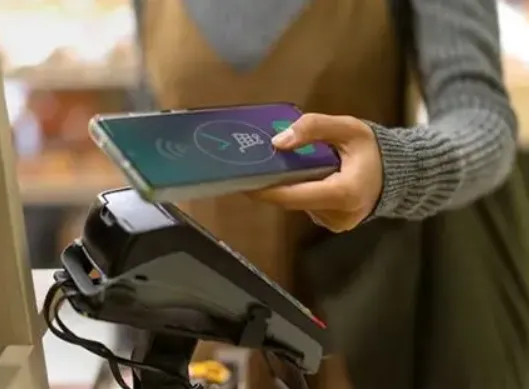
In today’s fast-paced grocery store environment, smooth and efficient payment processing is critical. But how exactly does integrated payment processing help, and why should your store consider switching to an integrated system? Let’s break it down and explore the many benefits it can bring to your operations.
What Is Integrated Payment Processing?
Integrated payment processing allows your point of sale (POS) system to communicate directly with your payment processor. This streamlined system eliminates the need for separate devices or manual data entry, which can lead to errors and inefficiencies.
In a typical non-integrated setup, you would manually input the total from the POS into a separate payment terminal, creating opportunities for mistakes and slowdowns. In contrast, with integrated processing, once a customer checks out, their payment is processed automatically within the POS system. This eliminates the need for additional steps, and the system updates inventory, records sales, and prints receipts all in one go.
To achieve this seamless experience, several components must work together:
- POS system: Manages your inventory, calculates totals, and coordinates everything.
- Payment gateway: Handles communication between your store and the bank.
- Merchant account: Your business account where credit/debit card payments are deposited.
- Processing hardware: Devices like card readers and pin pads that customers use to pay.
This integration reduces manual effort and minimizes errors, creating a much smoother experience for both customers and staff.
Why Do Grocery Stores Need Integrated Payment Processing?
Running a grocery store comes with its own set of challenges that generic payment systems may not be able to handle. Grocery stores often have to process hundreds of transactions during peak hours, manage EBT benefits, handle age verification for alcohol or tobacco sales, and ensure a fast checkout process. When payment systems can’t keep up with these needs, operations can suffer.
Grocery customers expect:
- Fast checkout: Especially important when purchasing perishable or frozen goods.
- Payment flexibility: Customers want to pay using cards, cash, EBT, or other forms of payment.
- Digital convenience: Offering options like email receipts and mobile coupons.
Without integrated processing, these expectations become difficult to manage. Disparate systems can lead to time-consuming manual reconciliation and increase the chance of mistakes. An integrated payment solution ensures that these challenges are addressed efficiently.
The Benefits of Integrated Payment Processing for Grocers
Now, let’s take a look at the key benefits of switching to an integrated payment processing system:
- Streamlined Operations
With integrated payment processing, every transaction automatically updates inventory in real-time, providing you with accurate stock levels and sales data. This reduces administrative workload and gives you instant insights into your store’s performance. - Improved Customer Experience
A seamless checkout process is crucial to keeping customers happy. Integrated systems enable faster transactions, automatic application of loyalty rewards, and a smooth experience regardless of the payment method. Customers are more likely to return to a store that offers a fast and easy shopping experience. - Better Financial Management
Integrated systems send real-time sales data directly to your accounting software, eliminating the need for manual entry and reducing the risk of errors. This helps with accurate financial reporting, which is essential for making data-driven business decisions. - Advanced Inventory Management
Inventory management is particularly important in the grocery business, where products move quickly. Integrated systems automatically update stock levels with every sale, reducing the risk of stockouts or overstocking, and improving ordering accuracy. - Compliance and Security
Security is critical when it comes to payment processing. An integrated solution that meets PCI DSS compliance ensures that all transactions are securely processed and that your store remains protected against potential breaches. Detailed transaction logs also make audits and inspections easier. - Cost Efficiency
Integrated systems often provide cost savings in the long term. These all-in-one solutions tend to offer better rates than standalone systems. With fewer manual errors and streamlined processes, your store can reduce costly chargebacks, corrections, and reconciliation efforts.
How to Choose the Right Integrated Payment Solution
Choosing the right integrated payment processor for your grocery store is key to optimizing operations. To ensure a successful implementation, look for a solution that offers:
- Grocery-specific features: A processor that understands the unique demands of grocery sales, including perishable inventory management and the handling of EBT payments.
- Transparent pricing: Be clear on the costs involved and make sure there are no hidden fees.
- 24/7 customer support: Ongoing support is essential to keep everything running smoothly, especially during peak times.
Look for providers who have experience in grocery operations, and make sure they can seamlessly handle all payment types, including EBT and traditional methods. Ask about hardware compatibility, training options, and any additional support services they offer.
Getting Started With Integrated Payment Processing
Implementing integrated payment processing might seem like a big task, but with the right plan, it can be a smooth transition. Here’s how to approach it:
- Assess Your Current Setup
Start by evaluating your existing payment processing system. Identify what works well and what needs improvement. Consider how much time your staff spends on manual reconciliation and how often errors occur. - Plan Your Setup
Work with your payment processor to determine the necessary hardware and installation timeline. Ensure your staff is trained and prepared for the new system. - Test the System
Before going live, run small test transactions to ensure everything works smoothly. Test different payment methods and check that inventory updates properly. - Migrate Your Data
When you’re ready to go live, work with your provider to migrate your data from the old system. You can start with one checkout lane before rolling out the new system storewide. - Ongoing Support
Once the system is live, ensure that your provider offers 24/7 support and that regular system updates are in place. Ongoing maintenance and optimization are key to ensuring the long-term success of your system.
By following these steps and partnering with the right provider, you can make the transition to integrated payment processing a smooth and effective one, ultimately improving your store’s efficiency and customer satisfaction.
Conclusion
Integrated payment processing is more than just a convenience — it’s an essential tool for grocery stores that want to improve efficiency, enhance the customer experience, and reduce errors. By choosing the right system and implementing it thoughtfully, you can streamline operations and position your store for success in the modern retail landscape.
