



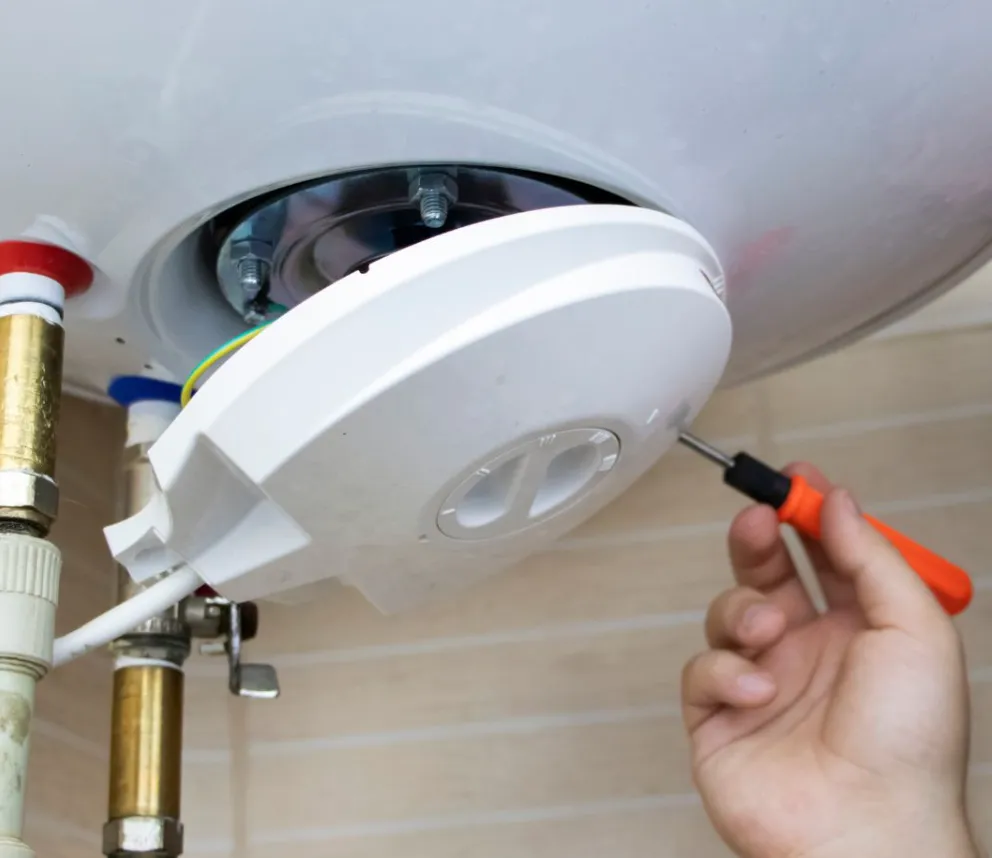
As winter approaches, having quick access to hot water becomes a comfort during cold mornings, whether you’re taking a warm shower or washing your hands. Choosing the right bathroom water heater is crucial for not only providing consistent heat but also ensuring safety in moist environments, energy efficiency, and space-saving in smaller bathrooms. This guide covers the best bathroom water heaters, their features, installation tips, and safety standards, helping you make an informed decision for winter comfort.
What Are Bathroom Water Heaters?
Not all water heaters are suitable for bathrooms due to the increased risk posed by moisture and steam. Bathrooms require heaters with specific protection levels, defined by IP codes, to prevent electrical hazards in wet environments. Bathroom water heaters are designed for compact spaces and can be installed in a variety of positions, such as under sinks or on walls, providing instant hot water without relying on a distant central system. This offers convenience, reduces water wastage, and improves overall comfort.
Key Features of Bathroom Water Heaters
- Moisture Resistance: Bathroom heaters come with ingress protection to resist water splashes and humidity, minimizing electrical risks in damp zones.
- Compact Size: These units are designed to fit in tight spaces, making them ideal for small bathrooms, cloakrooms, and utility rooms.
- Mounting Flexibility: Whether mounted on the wall or under the sink, these heaters are perfect for providing point-of-use hot water with minimal pipe runs.
Types of Bathroom Water Heaters
Under-Sink Water Heaters
These compact, point-of-use heaters are installed under sinks or inside cabinets, providing hot water to a single tap or small area.
Benefits: They minimize wait time by delivering water directly to the faucet, reducing wasted water compared to long pipe runs.
Electric Water Heaters for Showers
Tankless (demand-type) units designed for showers, these heaters are sized to match the required flow rate and temperature rise for on-demand hot water.
Benefits: Instant hot water without the need for a storage tank, offering high efficiency during typical daily use.
How They Work
- Instant Heating: Demand-type heaters provide hot water only when the tap is open, offering 24%-34% higher efficiency compared to traditional storage tanks.
- Flexible Connection: These heaters can be placed directly at the point of use, reducing heat loss and wait times.
Installation Benefits
- Space-Saving: Compact designs allow for under-counter or wall-mounting, saving valuable floor space while providing efficient heating.
- Quick Access: Instant or near-instant hot water ensures less waiting and minimizes water wastage.
Additional Features
- Thermostat Control: Digital or manual temperature settings help prevent scalding and provide tailored comfort.
- Energy Efficiency: Choose models with higher UEF/EF ratings to reduce energy costs across seasons.
- IP Rating: Ensure that the model meets the required IP code for safety and splash protection.
Why Choose a Small Bathroom Water Heater?
- Localized Heating: These units can serve individual basins, en-suites, or loft bathrooms, eliminating the need for long wait times associated with central systems.
- Energy Savings: Demand-type units operate only when water flows, reducing energy use compared to systems that constantly store and reheat water.
- Convenience: Their compact design and easy installation make daily routines more efficient, offering instant comfort and reducing clutter.
Understanding IP Ratings for Bathroom Water Heaters
The Ingress Protection (IP) rating is essential for ensuring your water heater is safe to use in wet environments. The first digit refers to dust protection, while the second digit indicates water resistance. For example, an IP44 rating means splash protection from all directions. It’s crucial to match the correct IP rating with the bathroom zone to minimize risks, especially in moist areas.
Why IP Ratings Matter in Bathrooms
Bathrooms produce steam and splashes, so choosing a water heater with an appropriate IP rating is vital for electrical safety. Installers follow strict guidelines for placing devices in the right zones to prevent shocks and ensure safe operation.
IP Rating Zones in Bathrooms
- Zone 0: Inside baths or showers, where water immersion occurs. Heaters in this zone should have at least an IP67 rating.
- Zone 1: Above a bath or shower, up to 2.25 meters. An IP65 rating is recommended for devices in this zone.
- Zone 2: 0.6 meters beyond Zone 1. A minimum of IP44 is needed for near-basin installations.
Choosing the Right IP Rating
Ensure that your water heater’s IP rating matches the bathroom zone it will be installed in, ensuring maximum protection against water damage.
Types of Bathroom Water Heaters
Tankless Water Heaters
- Instant Heating: Tankless heaters provide hot water on demand, with no storage tank required. They are highly efficient, especially in homes with lower daily water consumption (around 41 gallons or less).
- Space-Saving: These units are compact and can be discreetly mounted in small bathrooms, offering continuous hot water within their specified flow rate.
Storage Tank Bathroom Water Heaters
- Built-in Reserve: These units store a small amount of hot water (a few gallons), making it available for immediate use at a single fixture or small area.
- Efficiency: While not as efficient as tankless models, small storage units help reduce pipe losses when compared to distant central tanks.
Power Usage Considerations
- Voltage and Wiring: Electric tankless units typically require higher voltage and dedicated circuits, while smaller storage units may only need a standard outlet.
- Energy Consumption: Proper sizing and higher UEF ratings can improve the energy performance of both tankless and storage models.
How to Install Bathroom Water Heaters
Bathroom water heaters are easy to install due to their compact design, but it’s crucial to follow safety standards, especially in wet rooms. Ensure the unit is installed in compliance with the bathroom zoning and IP rating requirements for maximum safety.
Installation Methods
- Wall Mounting: Wall-mounted units are easy to access for maintenance and provide more space in tight rooms.
- Cabinet Mounting: Under-sink installation keeps the heater hidden while saving space and maintaining a clean, tidy bathroom.
Installation Tips
- Choose a location that complies with the bathroom zone, IP ratings, and clearances for water and power connections.
- Ensure proper circuit protection and compliance with RCD/GFCI safety standards.
Conclusion
Bathroom water heaters offer efficient, instant hot water while saving space and ensuring safety in damp environments. By selecting compact, energy-efficient models and ensuring proper installation, you can enjoy a more comfortable and cost-effective bathroom experience this winter. Look for units with the right IP rating, thermostat controls, and energy-efficient features to get the best results for your bathroom setup.
