



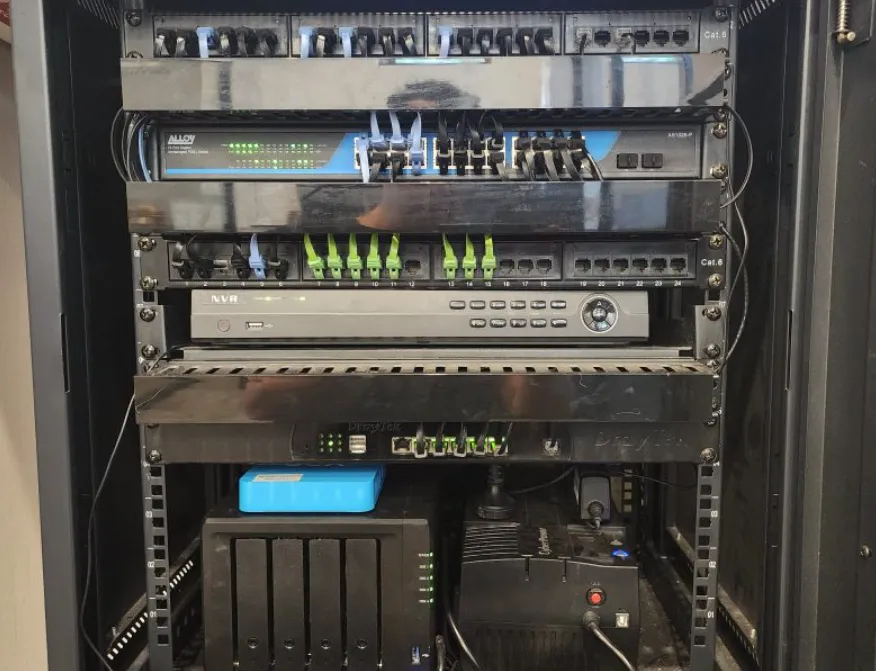
In any building, the network of cables plays a crucial role in keeping everything running smoothly. These cables deliver power, data, and communication signals that are essential for daily operations. However, when cables are left unmanaged, they can quickly become a safety hazard, suffer from damage, or reduce system performance. Proper cable management not only keeps cables organized but also ensures long-term safety, efficiency, and ease of maintenance.
This blog will dive into the importance of effective cable management, including how it prevents electrical faults, minimizes risks, and improves overall system performance. We will also explore the role of conduits, trunking, and essential accessories in creating a safer, more efficient setup.
Why Proper Cable Management is Crucial
Organizing cables is not just about making your space look neat. It’s essential for maintaining safe and reliable electrical systems. When cables are neatly arranged, they can dissipate heat more effectively, making it easier to trace circuits and identify issues. Proper cable management can prevent a variety of problems, including overheating, short circuits, and equipment failure.
The key benefits of well-managed cables include:
- Improved Ventilation: Proper cable routing helps prevent overheating by allowing air to circulate freely around equipment.
- Easier Fault Detection: Organized cables make it easier to identify and fix issues when they arise.
- Reduced Hazards: Cable management minimizes the risk of tripping accidents and abrasion damage.
- Compliance with Safety Standards: Following proper cable management guidelines ensures that electrical systems meet industry standards.
Key Advantages of Organized Cabling
- Safer Operation and Increased Reliability
Loose or poorly organized cables can be a fire hazard or cause electrical faults. Using cable conduits, trays, and trunking protects wires from mechanical damage and reduces the likelihood of short circuits. Additionally, well-organized wiring systems comply with safety standards and insurance requirements, providing peace of mind. - Faster Maintenance and Reduced Downtime
When cables are tangled or poorly labeled, troubleshooting becomes time-consuming. Organized systems with clearly labeled cables make it easier for technicians to identify faults, speeding up repairs and minimizing downtime for critical systems. - Better System Performance
Electrical systems perform better when they aren’t exposed to excessive heat or airflow restrictions. Organized cable layouts help maintain stable temperatures and reduce strain on components, which can extend the lifespan of your equipment.
The Role of Conduits in Cable Organization
Cable conduits are essential for protecting wiring from mechanical stress, moisture, and environmental contaminants. They also help maintain safe cable spacing and keep wiring organized. The right conduit type will depend on the location, environmental conditions, and required protection.
Types of Cable Conduits
- Electrical Metal Conduit (EMT): Semi-rigid and bendable, ideal for indoor residential or light commercial installations.
- Electrical Non-Metallic Conduit (ENT): Lightweight, corrosion-resistant plastic that’s perfect for embedded runs or areas requiring flexibility and moisture protection.
- Flexible Metal Conduit (FMT): Best for installations near equipment that experiences frequent vibration.
- Liquid Tight Non-Metallic Conduit (LFNC): Watertight and PVC-coated, often used in outdoor or industrial settings.
- Rigid Metal Conduit (RMC): Heavy-duty steel conduit designed for high-risk or demanding installations.
Conduits vs. Trunking: What’s the Difference?
Both conduits and trunking help manage cables, but they serve different purposes. Conduits are used to protect individual or small groups of cables, particularly in exposed areas like walls or ceilings. Trunking, on the other hand, is used to house multiple cables within a larger, enclosed space, often mounted on walls or ceilings for easy access and future expansion.
Conduits are ideal for high-risk areas or outdoor locations where additional protection is needed, while trunking is often used in interior settings where cables need to be easily accessible and adaptable.
Choosing the Right Conduit
When selecting a conduit, it’s important to consider factors like:
- Environmental Conditions: Assess the exposure to heat, moisture, and physical stress.
- Durability: Ensure the material resists corrosion, UV radiation, and flame if needed.
- Bend Radius: Allow for sufficient bending space to avoid damaging cables.
- Separation of Power and Data Cables: Keep power and data cables separated to minimize interference.
Effective Planning and Labelling
A well-planned cable layout ensures safety and efficiency. Here are some best practices for organizing cables:
- Plan Ahead: Design the cable routes before installation, accounting for future expansion.
- Label Cables: Clearly label both ends of each cable to make troubleshooting easier.
- Separate Power and Data Lines: This reduces the risk of electromagnetic interference.
- Use Support Brackets: Ensure cables are supported properly to avoid sagging or stress at connection points.
- Colour Code: Use color coding to easily identify different types of circuits and simplify maintenance.
Common Cable Management Mistakes to Avoid
Even experienced installers can make mistakes that affect the performance and safety of a system. Here are a few common pitfalls to watch out for:
- Overcrowding Trunking: Overfilling trunking can restrict airflow, making maintenance difficult.
- Incorrect Bend Radius: Not allowing enough space for cables to bend can lead to damage.
- Mixing Low- and High-Voltage Cables: This can cause interference and reduce system performance.
- Incorrect Fasteners: Using the wrong clips or fasteners for cable size or surface type can lead to installation issues.
- Failure to Update Wiring Diagrams: Always document changes and update your wiring schematics after modifications.
Essential Cable Management Accessories
To complete a proper cable management system, the right accessories are crucial. These small components help keep cables in place and extend the life of the system.
- Cable Ties and Straps: Used for bundling and organizing cables.
- Cable Trays and Ladders: Ideal for large-scale installations in commercial or industrial settings.
- Cable Clips and Clamps: Used to secure cables to walls or surfaces.
- Heat-Shrink Tubing: Perfect for sealing and insulating joints.
- Brush Plates and Grommets: Help maintain neat, secure cable openings in walls.
Planning for Sustainability
In today’s world, sustainable designs are essential. Choosing recyclable conduit materials, modular trunking, and halogen-free coatings can reduce environmental impact. Additionally, planning for future upgrades or circuit expansions can save time and resources in the long run.
Regular system audits help eliminate redundant wiring and keep your setup organized for future technological needs.
Conclusion
Smart cable management is vital for creating safe, efficient, and long-lasting electrical systems. Proper planning, the right conduit selection, and high-quality accessories can reduce hazards, simplify maintenance, and improve system performance. By investing in organized cable systems, you protect both your property and your equipment, ensuring a reliable setup for years to come.
