



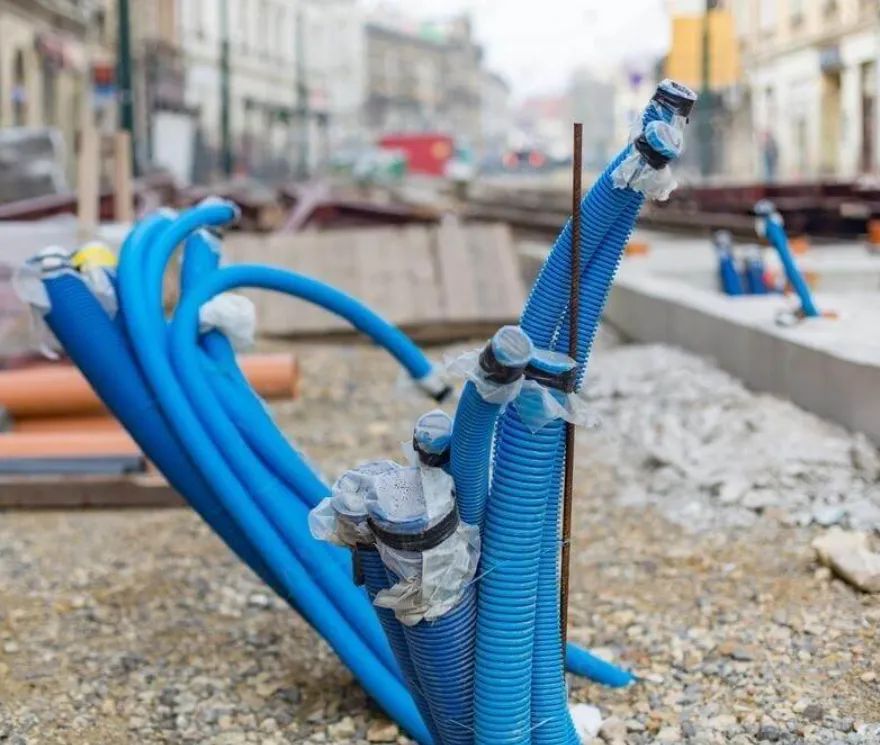
Outdoor wiring faces constant challenges—from rain and frost to UV exposure and physical impact. Without proper protection, cables can deteriorate quickly, leading to faults, safety risks, and expensive repairs. Choosing the right outdoor cable conduit is essential for safeguarding electrical systems and ensuring long-term reliability. This guide explains the different conduit types, how to select the right one, and what to consider for a neat, durable, and compliant installation.
What Is an Electrical Cable Conduit?
An electrical conduit is a protective tube used to route cables safely. It can be made from metal or plastic and is designed to shield wiring from damage, moisture, dust, and sunlight. In the UK, outdoor conduits must be chosen and installed in line with BS 7671 requirements, particularly where weather exposure, condensation, or mechanical impact are concerns.
Conduits provide several important advantages:
- Protection from garden tools, impact, abrasion, and vehicles
- Resistance to rain, humidity, UV rays, and corrosive conditions
- Easier cable maintenance and future upgrades without structural alterations
How to Choose the Right Outdoor Conduit
Selecting a conduit involves understanding the environment, the type of installation, and the level of protection needed.
Consider the Environment
- Above ground: Prioritise UV resistance, corrosion prevention, and good impact strength. Use fittings and glands that maintain a weatherproof seal.
- Underground: Follow best practices for burial depth, marking, and mechanical protection. Smooth internal bores make cable pulls easier and reduce damage during installation.
Installation Complexity
Rigid metal options require accurate cutting and threading, while flexible conduits can simplify installations with tight bends. Always plan pull points, inspection boxes, and route lengths to avoid excessive strain on cables.
Material Strength and Durability
- High-risk areas: Rigid metal conduit offers maximum protection.
- Damp or corrosive conditions: PVC and coated systems help prevent rust.
- Low-impact environments: Lightweight PVC may be sufficient if UV-stabilised and installed within temperature limits.
Compliance and Standards
Outdoor systems must comply with BS 7671 and manufacturer recommendations. Ensure fittings are rated for external use and properly matched to the conduit material.
Budget and Long-Term Value
Metal conduits cost more initially but offer greater resilience, making them suitable for areas prone to damage. Plastic conduits are more economical and quicker to install, especially in domestic settings.
Best Outdoor Cable Conduit Types
Electrical Metallic Conduit (EMT)
A lightweight galvanised steel conduit often used in residential and commercial installations. It can be used outdoors when paired with weatherproof fittings, though it’s not suitable for areas prone to heavy impact.
Rigid Metal Conduit (RMC)
Made from thick-walled steel or aluminium, RMC provides the highest level of mechanical protection. Ideal for exposed runs, industrial settings, or locations where vandalism or impact is likely.
Non-Metallic Liquid-Tight Flexible Conduit (NLFC)
A flexible PVC-jacketed conduit designed for wet areas and installations requiring tight bends. It resists moisture and corrosion, making it suitable for outdoor plant areas, HVAC systems, and similar environments.
PVC Conduit Systems
Lightweight, corrosion-free, and easy to install. Suitable for underground and low-impact exterior applications. UV-stabilised PVC must be used outdoors, and temperature limits should be considered to prevent heat-related degradation.
Underground Conduit: Best Practice
Correct burial techniques ensure longevity and safety:
- Depth: Roughly 0.5 m cover for typical low-voltage cables, with deeper installations for agricultural or high-traffic areas.
- Marking: Use marker tape or protective covers to prevent accidental strikes during future digging.
- Method: Choose smooth-bore ducting, use soft bedding material, and compact the backfill in layers to maintain protection over time.
Key BS 7671 Compliance Points
BS 7671 sets the benchmark for UK electrical installations. Key points include:
- Appropriate protection for buried services
- Respecting conduit temperature ratings and considering cable derating
- Using correct fill ratios to prevent overheating and excessive pulling tension
- Matching products to the intended environment and installation method
A Quick Look at Common Outdoor Conduit Types
- EMT: Easy to bend, neat appearance, needs waterproof fittings outdoors
- RMC: Robust and durable, ideal where mechanical protection is essential
- NLFC: Flexible and moisture-resistant, perfect for damp or complex routes
- PVC: Lightweight and economical, suitable for sunlight-protected or low-risk areas
Running Cables Through Outdoor Conduit
Proper cable pulling is essential for a safe and efficient installation:
- String method: Good for short, straight runs
- Vacuum/draw line: Effective for routes with bends
- Fish tape: Best for long or complex pulls
Always use compatible glands, couplings, and seals to maintain weatherproof ratings. For exposed locations, IP66 or higher may be required; underground terminations often need IP67 or IP68 protection.
Choosing the Right Conduit for the Job
- Heavy impact areas: Rigid metal
- Wet environments with bends: Liquid-tight flexible or PVC with watertight fittings
- Low-risk, cost-conscious projects: UV-rated PVC
- Visible installations: EMT for a cleaner finish
Installation Tips for Long-Term Performance
- Plan accessible boxes to reduce pulling tension
- Follow conduit fill rules to avoid overheating
- Document routes for future maintenance
- Maintain correct burial depth and warning layers
- Use system-matched fittings to preserve IP ratings
Conclusion
The right outdoor conduit transforms vulnerable wiring into a protected, long-lasting installation. By matching the conduit type to the environment, following BS 7671 guidelines, and using appropriate weatherproof fittings, you ensure a safe, durable system that performs reliably for years.
