



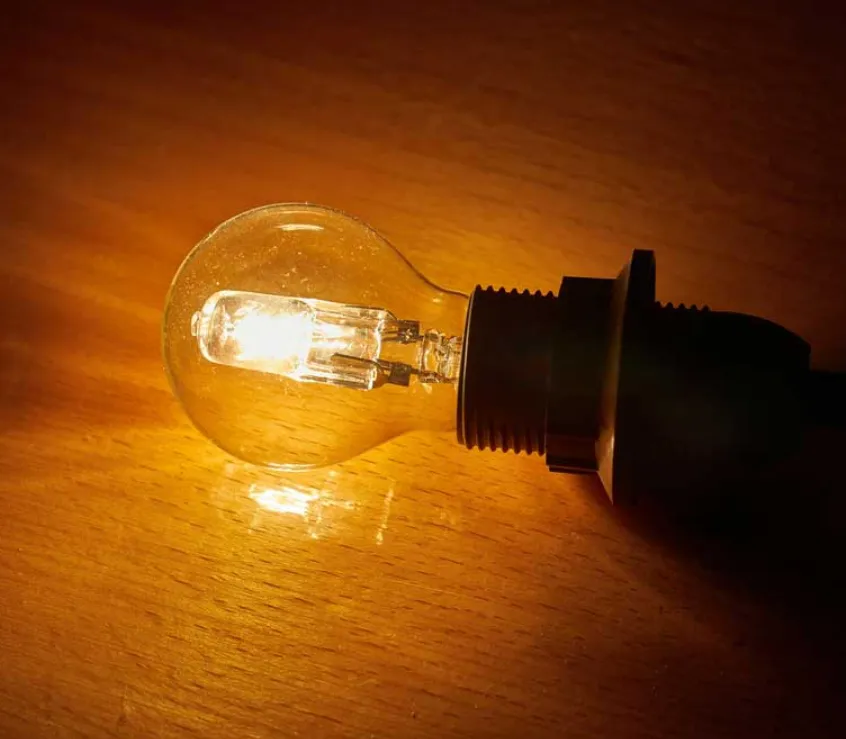
As households look for ways to cut energy use and improve comfort, switching from halogen lighting to LEDs has become one of the simplest and most effective upgrades. LEDs use far less electricity, last considerably longer, and produce much less heat—all while fitting into most existing fixtures. With halogen bulbs now restricted in many places, homeowners are increasingly turning to LED technology for a cleaner, cooler, and more efficient way to light their spaces.
This guide breaks down how halogen and LED spotlights differ, what you gain by upgrading, and how to choose the right LED replacements for every room in your home.
Halogen and LED Spotlights: How They Compare
Halogen and LED bulbs are both common choices for spotlights and downlights, but they work in very different ways. Halogen lamps use a heated filament encased in halogen gas, producing a strong, warm light but also generating a significant amount of heat. LEDs, on the other hand, create light electronically through semiconductor components, resulting in efficient, focused illumination with very little wasted energy.
What Is a Halogen Spotlight?
Halogen spotlights are a more advanced form of the traditional incandescent bulb. They’re known for bright, instant light and low initial cost. However, they burn hot, consume far more electricity than modern alternatives, and generally have short lifespans. This means more frequent replacements and higher running costs over time.
What Is an LED Spotlight?
LED spotlights generate light through electronic circuits, allowing for high efficiency and extremely low heat output. They offer excellent brightness, good colour quality, and long-lasting performance. A quality LED spotlight can operate for many years before needing replacement, making it far more cost-effective in the long term.
LED vs Halogen: The Key Differences
Energy Use
LED bulbs deliver the same level of brightness using only a fraction of the energy halogens require. This translates into lower bills and reduced heat around ceiling fixtures, particularly useful in living rooms, kitchens, and hallways.
Dimming Performance
Many LED spotlights are dimmable when paired with the right dimmer switch. They offer smooth control and allow you to set the perfect mood in lounges, bedrooms, and dining areas. Their directional nature means they focus light where it’s needed without wasting output.
Lifespan
LEDs typically last tens of thousands of hours, far outliving halogen bulbs. This reduces the hassle of frequent replacements—especially in hard-to-reach spots such as high ceilings and staircases.
Heat Output
Halogen bulbs become extremely hot in use. LEDs produce only a small amount of heat, improving comfort, reducing fire risks, and placing less strain on fittings and insulation.
More Reasons to Choose LED Lighting
Instant Light
LEDs illuminate immediately, even in cold or damp locations like garages and porches.
Durability
With no delicate filament, LEDs withstand shock and vibration better, making them ideal for busy homes and outdoor lights.
Flexible Lighting Options
LEDs are available in a broad range of colour temperatures and beam angles. Whether you want warm, cosy lighting or crisp daylight effects, LEDs can be tailored to suit any room.
Are Halogen Bulbs Still Available?
Halogen bulb sales have largely been phased out in the UK since 2021 under updated energy regulations. Existing halogens can still be used, but when it’s time to replace them, LEDs offer a more efficient and environmentally friendly alternative.
How to Replace Halogen Bulbs with LEDs
Upgrading is usually simple. Follow a few straightforward steps:
- Match the fitting – GU10 for mains voltage, or GU5.3 (MR16) for low voltage. Choose the same base type in LED form.
- Choose brightness by lumens – A 50W halogen can typically be replaced by an LED providing 400–500 lumens.
- Check dimming compatibility – Use LED-specific dimmers for best performance if your lights are dimmable.
- Select colour temperature –
- 2700–3000K: living rooms and bedrooms
- 3500–4000K: kitchens and bathrooms
- 5000–6500K: utility or task-oriented spaces
- Install safely – Turn off the power, remove the halogen bulb, and fit the LED following the fixture’s guidance.
Choosing LEDs for Each Room
Living Room – Warm white LEDs create inviting, relaxed lighting perfect for evenings.
Kitchen – Neutral white improves visibility over worktops and helps with food prep.
Bathroom – Use neutral white with appropriate IP-rated fittings for safe, clear lighting.
Office or Study – Cooler white tones help maintain focus and reduce eye strain.
Hallways – Quick-start LEDs boost safety and visibility immediately when switched on.
Cost and Payback
Although LEDs may cost more upfront, their low energy use and long life mean they pay for themselves quickly. Many homeowners experience noticeable savings within a few months of switching, especially in rooms where lights are used frequently.
Safety and Sustainability
Because halogen bulbs run extremely hot, they can increase fire risk around insulation or enclosed fittings. LEDs remain cool and reduce these risks while lowering energy consumption. At a wider scale, replacing halogens with LEDs helps cut carbon emissions and supports more sustainable energy use.
Common Issues When Switching and How to Fix Them
- Flickering on dimmers – Replace old dimmers with LED-compatible trailing-edge models.
- Low-voltage transformer issues – MR16 systems may need new LED drivers or a shift to GU10 mains-powered fittings.
- Colour mismatches – Buy LEDs from the same product range for consistent tone.
- Incorrect beam angle – Match the original halogen’s angle for similar lighting coverage.
Conclusion
LED lighting offers clear advantages over halogen—from energy savings and lower heat output to longer life and greater versatility. Whether you’re upgrading a single fitting or converting your entire home, the shift to LED lighting is one of the easiest ways to improve comfort, cut costs, and modernise your space.
