



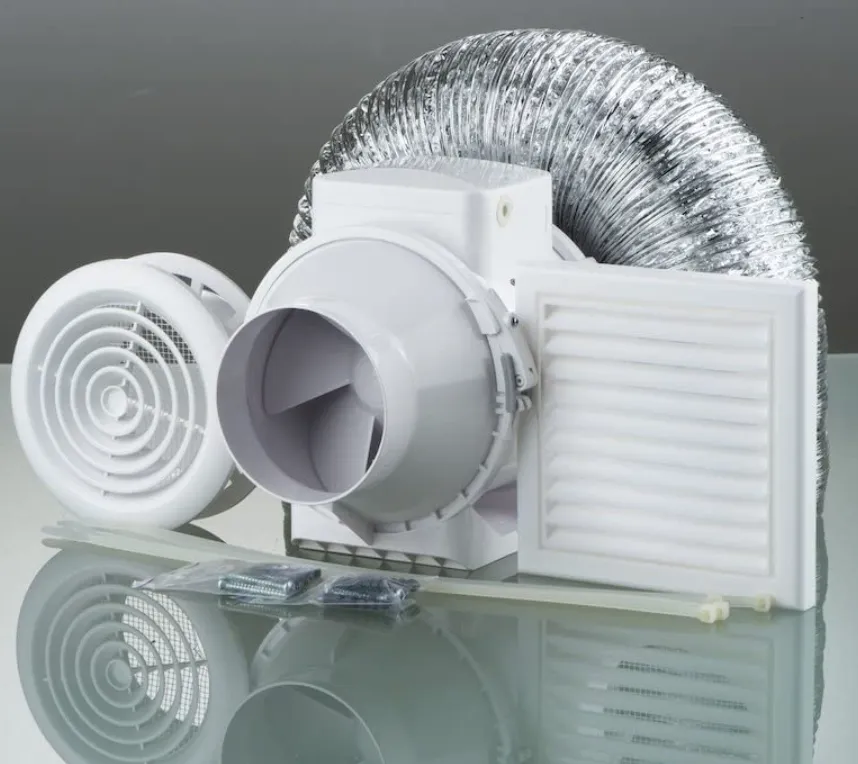
Bathrooms naturally collect moisture, especially during hot showers, and without proper ventilation this humid air quickly settles onto cold surfaces. Over time, this leads to condensation, mould growth, peeling finishes, and unpleasant odours. A well-chosen shower extractor fan prevents these issues by removing steam before it has the chance to linger, helping your bathroom dry faster and stay healthier. For most homes, an extraction rate of around 15 litres per second is a good starting point, with higher rates needed for larger or more frequently used spaces.
Why Shower Extractor Fans Matter
During a shower, warm air carries a high amount of moisture. As this air touches cooler walls, ceilings, and mirrors, it turns into water droplets that feed mildew and damage surfaces. A properly specified extractor fan reduces humidity quickly, allowing the room to return to normal conditions between uses. Good airflow also keeps mirrors clearer, reduces slip hazards caused by pooling condensation, and makes the space more comfortable overall.
How Extractor Fans Work
An extractor fan draws moist air from the bathroom and pushes it outside through ducting. At the same time, drier air is pulled in from nearby rooms to replace it. Most domestic models use very little power, yet can deliver effective airflow for short periods after each shower. When comparing fans, look at airflow performance, noise level, moisture protection ratings, and available control options such as timers or humidistats. A quiet and appropriately rated fan ensures effective ventilation with minimal disruption.
Why Shower Areas Need Special Attention
Shower zones create the highest moisture load in the home. For this reason, a more capable fan is often required—especially if the bathroom has no window. Standard bathrooms generally need at least 15 L/s, while larger family bathrooms or those with long duct runs may benefit from 20–30 L/s. Models with an adjustable run-on timer are ideal because they continue ventilating after the light is switched off, ensuring all residual moisture is removed.
Types of Shower Extractor Fans
Ceiling-mounted fans are discreet and can be ducted through ceiling voids, making them a flexible option for most bathrooms.
Wall-mounted fans vent directly outside and are useful where loft access is limited.
Inline fans are fitted remotely (often in the loft) and connected to a ceiling grille, making them quiet and excellent for over-shower installations.
Window-mounted fans are suitable for certain retrofits but are generally less popular for thermal and aesthetic reasons.
Choosing the Right Fan for Your Bathroom
Bathroom safety zones determine the type of fan you can install and the required protection level. Areas close to water require fans with higher moisture resistance and, in some cases, low-voltage systems. Always ensure RCD protection is in place and follow the placement rules for transformers in SELV installations.
It’s also important to match the extraction rate to the size of the room. Many small bathrooms work well with 100 mm (4-inch) fans, while medium spaces or more demanding layouts might benefit from 150 mm (6-inch) models. Inline or centrifugal fans handle longer duct runs more effectively.
Additional Features Worth Considering
Run-on timers keep the fan working for a set time after you leave the bathroom, helping prevent lingering dampness.
Trickle speed settings allow the fan to run continuously at a low rate, maintaining fresh air in spaces without windows.
Quiet motors are ideal for night-time use or bathrooms close to bedrooms.
SELV models allow for safer installation directly above a shower when necessary.
Recommended Shower Extractor Fans
Some popular and reliable choices include ceiling kits designed for over-shower use, compact wall or ceiling models with timer options, and higher-capacity fans for larger rooms. Fans with automatic shutters help prevent draughts, while those with higher extraction rates are ideal for busy households or big bathrooms.
Installation Tips for Better Performance
Position the intake so that fresh air flows naturally across the room toward the fan.
Keep duct runs as straight and short as possible, using rigid ducting where you can.
Fit anti-draught shutters to maintain comfort in colder seasons.
Insulate ductwork in unheated areas to prevent internal condensation.
Set timers or humidistats correctly so moisture is fully cleared after each shower.
Ensure a suitable isolator is installed for safe maintenance.
Conclusion
Moisture control is essential for keeping shower rooms fresh, clean, and structurally sound. Selecting a fan that meets the airflow needs of the space, suits the bathroom’s safety zones, and includes helpful features like run-on timers or humidistats will significantly reduce condensation and mould. Inline fans offer excellent performance for longer ducts, while SELV or high-IP-rated units allow safe installation close to the water source. For quiet, effective operation with minimal maintenance, choosing a high-quality extractor fan is one of the smartest upgrades you can make.
