



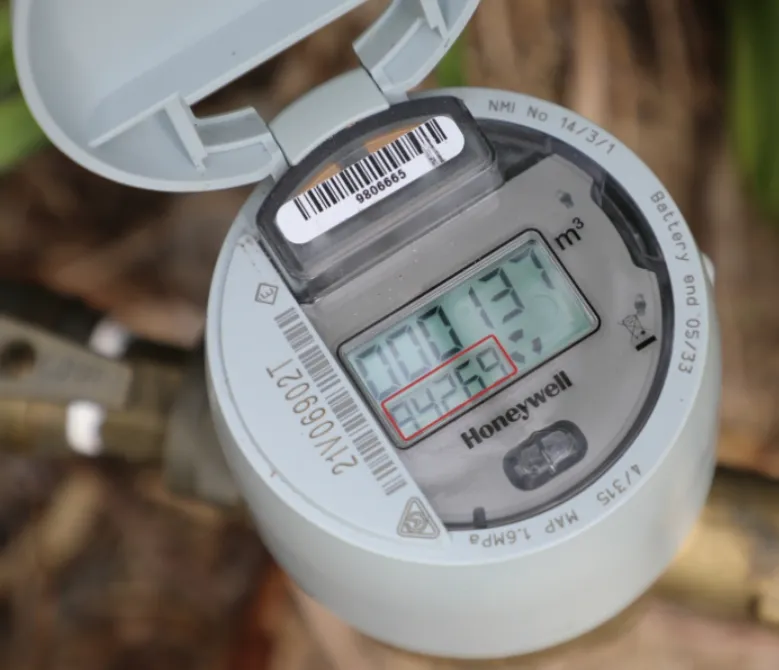
Electricity might be invisible, but the way we manage it shapes our comfort, costs, and environmental impact. Whether you own a home with solar panels or manage rental properties, modern electrical meters are key to smarter energy management. By upgrading to high-quality meters, you gain clearer insights into your usage, cut down on waste, and even raise your property’s value. Here’s how you can bring your electrical setup up to date and make it work harder for you.
Understanding Why Meter Upgrades Matter
Energy prices in the UK have fluctuated significantly in recent years, sometimes reaching more than 34p per kWh during colder months. Having an accurate meter can help you track your real consumption and reduce unnecessary spending—potentially lowering bills by around 10%. Older meters often rely on estimates, which can lead to overpayments or disputes. Upgrading to MID-approved meters ensures precise readings and compliance with regulations under the Measuring Instruments Directive.
With the government’s net-zero targets and incentives like the ECO4 scheme, efficient meters also open the door to renewable integration and energy-saving programs. Beyond financial benefits, new meters offer peace of mind—letting you manage new energy demands like EV charging or heat pumps with confidence.
Key Benefits of Modern Meters
- Lower Energy Bills: Identify and eliminate hidden energy drains, such as old appliances or devices left on standby.
- Sustainable Living: Smart meters allow two-way communication, enabling you to sell excess solar power back to the grid.
- Fair Management for Tenants: Prepayment options prevent unpaid bills and simplify energy sharing in rental properties.
- Increased Property Value: According to RICS, homes with updated electrical systems can see a 5–7% increase in value.
Best Meter Options for Different Needs
1. Reconditioned Solar Meter
An affordable option for solar-powered homes and small businesses, this meter delivers precise readings through its LCD display and easy installation. It’s lightweight, reliable, and ideal for those wanting to track renewable energy generation efficiently.
2. Coin-Operated Meter
Perfect for short-term rentals, campsites, or guest houses, this meter accepts £1 and £2 coins and detects counterfeits. It supports dual rates, can collect arrears, and even includes a timer mode—making it both practical and durable for shared properties.
3. Heavy-Duty 45A Meter
Designed for tougher environments like workshops or outbuildings, this model runs with minimal power consumption and withstands extreme temperatures. It’s DIN-rail mounted and ensures consistent performance under demanding conditions.
4. Wall-Mounted kWh Meter
Compact and durable, this 100A single-phase meter is ideal for sub-billing or small offices. With clear LCD readings and a protective case, it performs reliably across a wide temperature range.
5. Smart Online Top-Up Meter
For landlords and property managers, this GSM-enabled meter allows tenants to top up remotely via an app or website. It supports time-based rates, offers emergency credit, and removes the hassle of physical tokens.
6. Solar Distribution Board
Built for outdoor or solar setups, this board includes built-in metering, surge protection, and RCBO safety features. Its weather-resistant design makes it a solid, eco-friendly solution for efficient energy distribution.
Tips for a Smooth Installation
Upgrading doesn’t need to be complex. Start with an Electrical Installation Condition Report (EICR) to assess your current system—this inspection usually costs between £150 and £300 and highlights any safety concerns. Professional installation is recommended, as Part P regulations require certified electricians for most electrical work.
For those upgrading single-phase systems, the process usually takes a couple of hours. Adding CT clamps can help measure larger systems without rewiring, and many modern meters integrate seamlessly with smart home apps for real-time tracking.
Here’s a simple guide to getting started:
- Assess Your Energy Needs: Add up appliance loads to select a meter with the right capacity.
- Choose Certified Equipment: Always select MID-approved devices for accuracy and safety.
- Power Down and Replace: Turn off the main supply before installing the new meter.
- Run a Test Load: Check that readings match your energy use with a test device.
- Monitor Regularly: Use data insights to adjust consumption and develop better habits.
Final Thoughts
Upgrading your electrical meters is more than a technical update—it’s a step toward smarter living. From coin-operated systems to solar-ready solutions, today’s meters make it easier to manage costs, embrace renewable energy, and add long-term value to your property. As the energy landscape continues to evolve, investing in quality meters ensures your property stays efficient, adaptable, and ready for the future.
