



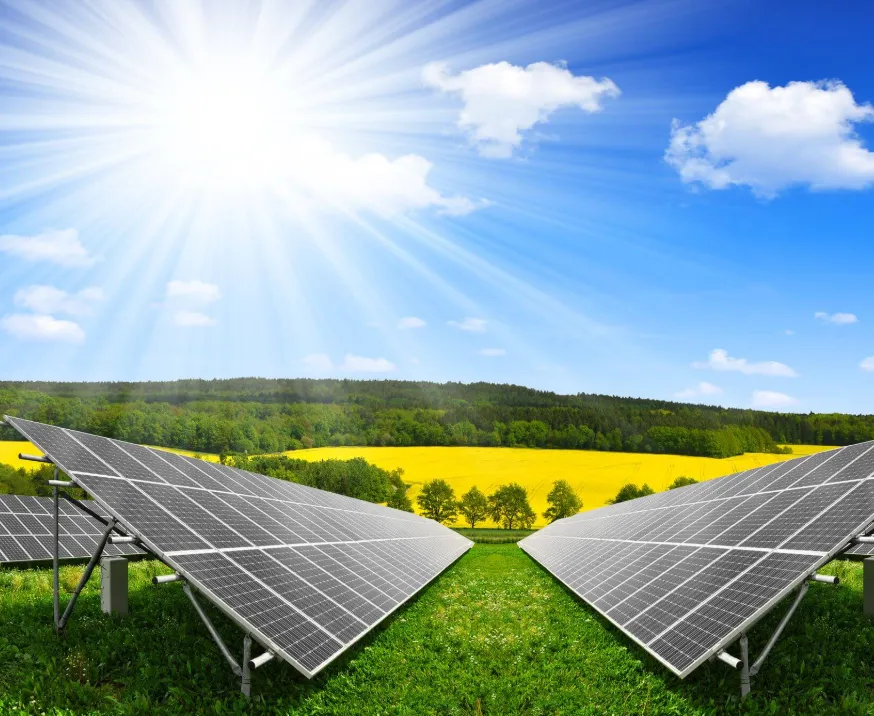
As energy prices continue to climb and environmental challenges become harder to ignore, more people are turning to solar energy as a dependable, sustainable alternative. Harnessing the sun’s natural power not only reduces carbon emissions but also offers long-term savings and greater energy independence. This guide explores what makes solar energy such a transformative force and why it’s becoming a must-have for homes and businesses alike.
Understanding Renewable Energy
Renewable energy comes from natural sources that can be replenished quickly—such as sunlight, wind, and water. Unlike fossil fuels, which release harmful emissions and are finite, renewable systems produce clean, sustainable power with minimal environmental impact. Solar energy, in particular, has emerged as one of the most accessible and efficient renewable options available today.
Why Moving Away from Fossil Fuels Is Essential
For over a century, the world has relied heavily on coal, oil, and gas to generate electricity. However, these fuels release vast amounts of greenhouse gases, contributing to global warming and air pollution. Transitioning to renewables isn’t just about protecting the planet—it’s also about ensuring stable, affordable energy for future generations. Solar energy empowers households and businesses to generate their own clean electricity and reduce dependency on volatile energy markets.
How Solar Energy Works
Solar technology captures energy from sunlight and converts it into electricity or heat. Photovoltaic (PV) systems use semiconductor cells to generate an electric current when exposed to daylight, while solar thermal systems use sunlight to heat water or air. When paired with battery storage, solar panels can provide consistent power even during the night or on cloudy days. This versatility makes solar one of the most practical renewable energy sources available.
The Global Growth of Solar Power
The shift toward renewables has accelerated rapidly over the past decade. Global solar capacity has expanded by more than 30% since 2006, and the pace continues to increase as technology improves and costs decline. Solar now accounts for a growing share of the world’s new electricity generation, with record installations taking place each year. This expansion is not only helping countries meet net-zero targets but also making clean energy more accessible and affordable.
Types of Solar Energy Systems
Residential Solar Systems: Designed for homes, these rooftop installations typically range from 5 to 20 kW and can cover a large portion of household energy needs.
Commercial Solar Systems: Larger setups for offices, warehouses, and manufacturing facilities that help businesses cut costs and meet sustainability goals.
Community and Utility-Scale Projects: Massive solar farms that feed renewable power into the grid, providing energy for thousands of homes and communities.
These systems ensure that everyone—from individual homeowners to entire neighbourhoods—can benefit from solar technology, regardless of property type or location.
Key Benefits of Solar Energy
1. An Endless Source of Power
The sun provides more energy in one hour than the world uses in an entire year. By harnessing even a fraction of this power, solar energy delivers a clean and constant supply of electricity that never runs out.
2. Cleaner Air and Lower Emissions
Solar panels produce electricity without releasing carbon dioxide or other pollutants. Each installation helps reduce the overall environmental footprint and contributes to cleaner air and a healthier planet.
3. Reduced Energy Bills
Generating your own electricity means buying less from the grid. Whether you power your entire home or supplement your energy use, solar panels can dramatically lower monthly utility bills and protect against future price hikes.
4. Financial Rewards Through Energy Credits
Many regions allow homeowners to earn money or credits for excess energy sent back to the grid. This system—often known as a feed-in tariff or smart export guarantee—turns your solar setup into a small, consistent income source.
5. Low Maintenance and Long Lifespan
Solar panels require minimal upkeep. Aside from occasional cleaning and basic inspections, most systems operate efficiently for 25 years or more, providing long-term savings and peace of mind.
6. Increased Property Value
Homes equipped with solar panels are often more appealing to buyers and can sell at a premium. Energy-efficient properties signal forward thinking, lower operating costs, and sustainability—a combination that resonates with today’s market.
Final Thoughts
Solar energy represents more than just an environmental choice—it’s a practical investment in the future. By producing clean, renewable power directly from the sun, homeowners and businesses can lower costs, reduce emissions, and gain greater control over their energy use. With technology advancing and costs continuing to fall, there’s never been a better time to make the switch to solar and be part of the global shift toward sustainable living.
