



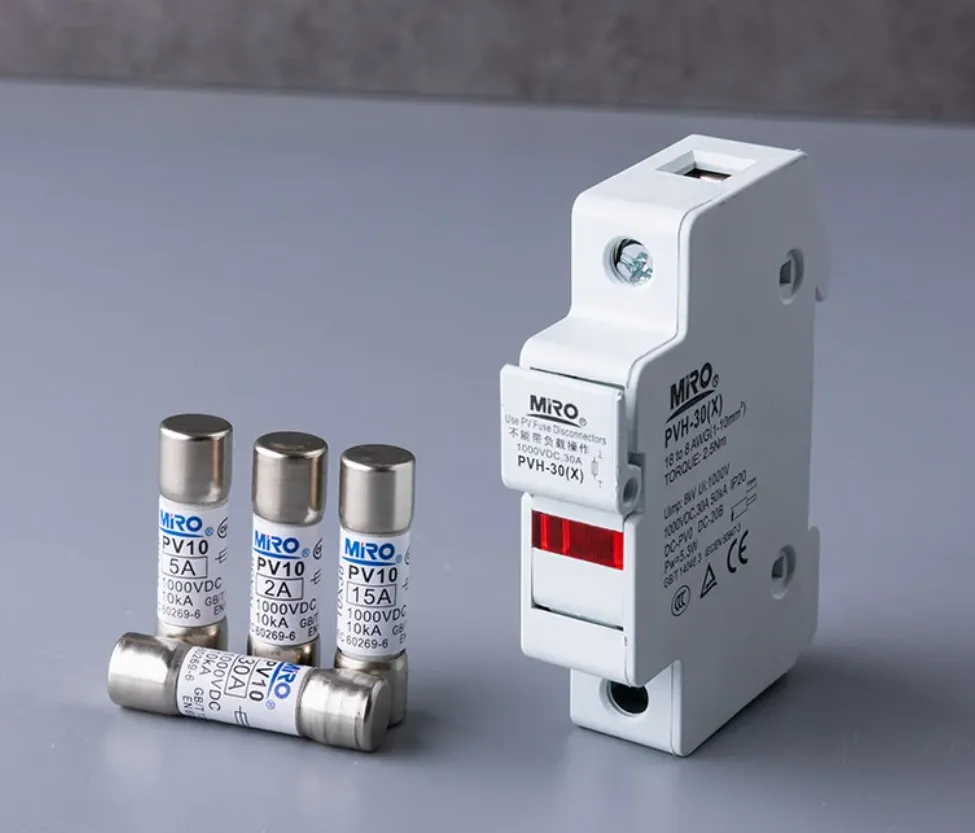
When a light suddenly flickers or a circuit cuts out, the culprit is often a fuse that’s either worn out or simply the wrong match for the job. Fuses quietly guard your electrical system from excess current, short circuits, and potential fire hazards. Selecting the right one isn’t just about keeping the lights on—it’s about ensuring long-term safety and dependable performance throughout your entire setup.
In this blog, we’ll break down what fuses do, why they matter, and how to choose reliable options that suit different electrical needs.
Understanding the Role of Fuses in Power Distribution
Fuses act as frontline defenders in any electrical network. Their sole purpose is to stop the flow of electricity when the current becomes too high, preventing overheating, equipment damage, and dangerous situations. Many electrical fires each year can be traced back to outdated or incompatible fuses, highlighting just how important proper selection really is.
Different environments—homes, offices, and industrial facilities—rely on fuses designed for their specific loads and conditions. Whether it’s a simple plug-in type or a heavy-duty model for more demanding systems, knowing which type fits your setup helps ensure smooth and safe operation.
What to Look for When Selecting a Fuse
Picking a fuse isn’t a guessing game. These key considerations will help you make the right choice:
Amp Rating: The fuse should match the current requirements of your circuit. Too high an amp rating could allow overheating or fire risks.
Voltage Rating: Ensure the fuse is rated for the system voltage—whether that’s a standard household supply or a higher-voltage installation.
Breaking Capacity: This indicates how much fault current the fuse can safely interrupt. Higher-risk areas require fuses with greater breaking capacity.
Application: Household, commercial, and industrial settings all have different demands. Choose a fuse specifically designed for your environment.
Certifications: Look for compliance with recognized standards such as BS 1361 or IEC 60269 to ensure reliability and safety.
With the right combination of these factors, your electrical system can run efficiently while staying well-protected.
Reliable Fuse Options for Everyday Use
Here are several solid fuse types commonly used in various installations, each chosen for its durability and safety features:
1. Lucy Zodion Titan Single Fuse Cut-Out
A dependable option for single-phase household or small commercial systems. Its brass mounting plate and robust construction make it ideal for main service points that require long-term stability.
2. Deta 10 Amp Plug Top Fuse
A practical choice for everyday appliances such as heaters or cookers. Built with a ceramic body and brass ends, it meets BS 1362 requirements and provides consistent protection.
3. Lawson 15 Amp Consumer Unit (LC15) Fuse
Used widely in home fuse boxes, this 15A fuse complies with BS 1361 and can safely handle high fault currents, making it perfect for standard household circuits.
4. Deta 3 Amp Plug Top Fuse
Designed for lower-powered devices such as lamps or screens, this fuse is ASTA-approved and built to offer safe daily performance.
5. 63 Amp Neozed D02 Fuse
Ideal for commercial or industrial systems, this compact fuse offers a high interrupt capacity and fits both single and three-pole holders.
6. Lawson 30 Amp Consumer Unit (LD30) Fuse
A strong option for higher-load home circuits. It follows BS 1361 standards and supports fault currents up to 16kA.
7. Deta 5 Amp Plug Top Fuse
Suitable for medium-load appliances like small kitchen devices or chargers, this ceramic fuse delivers durability and consistent protection.
How Fuses Keep Your System Safe
Inside every fuse is a thin metal strip that melts when the current becomes excessive. This simple mechanism interrupts the power flow before damage can occur. In small appliances, a 3A or 5A fuse might blow to protect your kettle or charger. In larger systems, more robust types—such as cut-out or Neozed fuses—shield entire circuits from serious overloads.
Maintenance Tips for Safe Fuse Replacement
Proper upkeep is just as important as choosing the right fuse. Here are some helpful maintenance practices:
- Replace blown fuses with ones of the same rating.
- Check for signs of damage, such as dark marks or repeated tripping.
- Always shut off power before replacing a fuse.
- Consider upgrading older electrical panels, especially those over two decades old.
- Consult a licensed electrician for complex issues or uncertain situations.
These habits go a long way in keeping your electrical system dependable and hazard-free.
Looking Ahead: Modern Fuse Technology
As electrical demands grow, fuse technology continues to evolve. Modern designs now feature greater interrupt capabilities and enhanced safety features. Innovations like smart fuses—capable of reporting faults automatically—are becoming more common, improving both efficiency and system monitoring. For now, choosing high-quality, standards-compliant fuses ensures your system is ready for current demands and future upgrades alike.
