



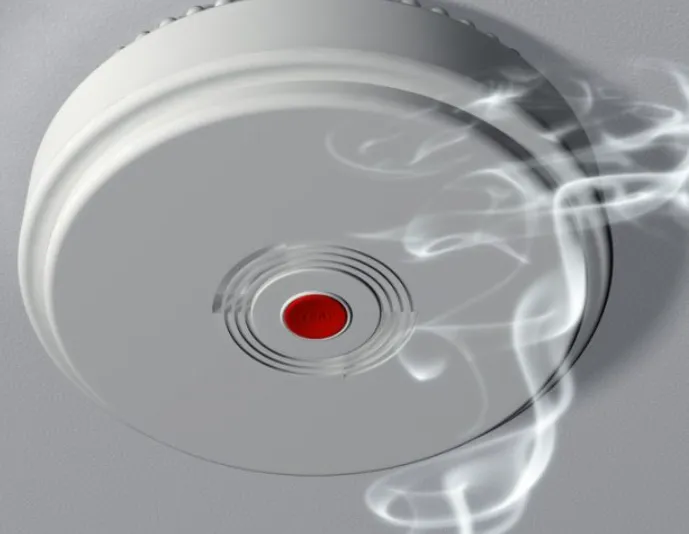
Fire protection is one of the most important aspects of maintaining a safe home or business. Whether you’re updating an older property or equipping a new one, choosing dependable detection systems is essential. According to recent UK Home Office data, tens of thousands of residential fires occur each year, with many incidents linked to missing or faulty alarms. This growing awareness has prompted more people to explore high-quality smoke detectors and budget-friendly alarm systems available online.
This guide walks you through the most common types of fire detection devices, explains what to look for when comparing systems, and highlights key considerations to help you make an informed decision.
Why Every Property Needs a Reliable Smoke Alarm
Household and workplace fires often start quietly—through cooking mishaps, electrical faults, neglected candles, or items placed too close to heat sources. In many situations, smoke moves more rapidly than flames and is frequently the main cause of injury or death. Early detection is critical, and a properly installed smoke alarm can make all the difference.
A good alarm system helps:
- Identify smoke at the earliest possible stage
- Alert occupants before conditions become dangerous
- Provide time to exit safely
- Minimise damage to the building
UK regulations recommend at least one smoke alarm on every level of a residential property.
Types of Fire and Smoke Detection Devices
Different situations call for different types of alarms. Understanding how each one works can help you choose the best fit for your environment.
Optical (Photoelectric) Alarms
Designed to detect slow-burning fires that produce thick smoke, such as those caused by electrical wiring or upholstery.
Heat Alarms
Activated when temperatures rise sharply, making them ideal for kitchens and garages where normal cooking fumes or dust may cause false alerts in standard smoke alarms.
Carbon Monoxide Detectors
Essential for homes with gas appliances, these devices monitor for carbon monoxide—a colourless, odourless gas produced by faulty boilers or heaters.
Fire alarms come in several formats:
- Mains-powered alarms, often paired with backup batteries
- Battery-only devices with either replaceable or long-life lithium batteries
- Smart and wireless alarms that allow remote monitoring and interlinked alerts
The best choice depends on your property layout, daily habits, and potential risks.
Key Features to Look for When Buying Alarm Systems Online
Not all alarms offer the same level of safety or convenience. When comparing models, consider these essential features:
Power Source
Mains-powered alarms are stable and reliable, especially when paired with a backup battery.
Battery Lifespan
Sealed lithium batteries can last up to a decade, reducing the need for regular replacements.
Interlinking Capability
In connected systems, an alert in one area triggers alarms throughout the property—an important safety advantage for multi-storey or larger homes.
Smart Technology
Some detectors integrate with mobile apps, giving you instant notifications even when you’re not at home.
Safety Certifications
Look for alarms that meet recognised standards such as BS EN 14604 or BS EN 50291.
Top Fire and Smoke Detection Options Available Online
The market offers a wide range of dependable alarms suited for different needs. From interconnected smoke detectors to advanced smart carbon monoxide monitors, there are options for every type of property and budget. Many popular models today provide long battery life, wireless linking, and easy installation, making it simpler than ever to upgrade your fire safety system.
Tips for Installing and Maintaining Your Smoke Alarms
Even the most advanced devices must be properly installed and maintained to perform effectively.
Installation Guidelines:
- Install one alarm on every floor of your property
- Place alarms near bedrooms, hallways, and staircases
- Use heat sensors in kitchens and boiler rooms
- Avoid installing detectors near vents, fans, or draughty areas
Maintenance Checklist:
- Test your alarms once a month
- Replace standard batteries annually
- Clean units regularly to prevent dust build-up
- Replace devices every 10 years or as specified by the manufacturer
Keeping your alarms in good condition ensures they remain dependable when you need them most.
Conclusion: Protect What Matters Most
Investing in quality fire and smoke detection systems is one of the simplest and most effective ways to safeguard your home or business. Whether you prefer a wireless smart alarm or a traditional mains-powered model, reliable and affordable options are widely available. A small investment today can provide lasting protection, enhanced safety, and peace of mind for years to come.
