



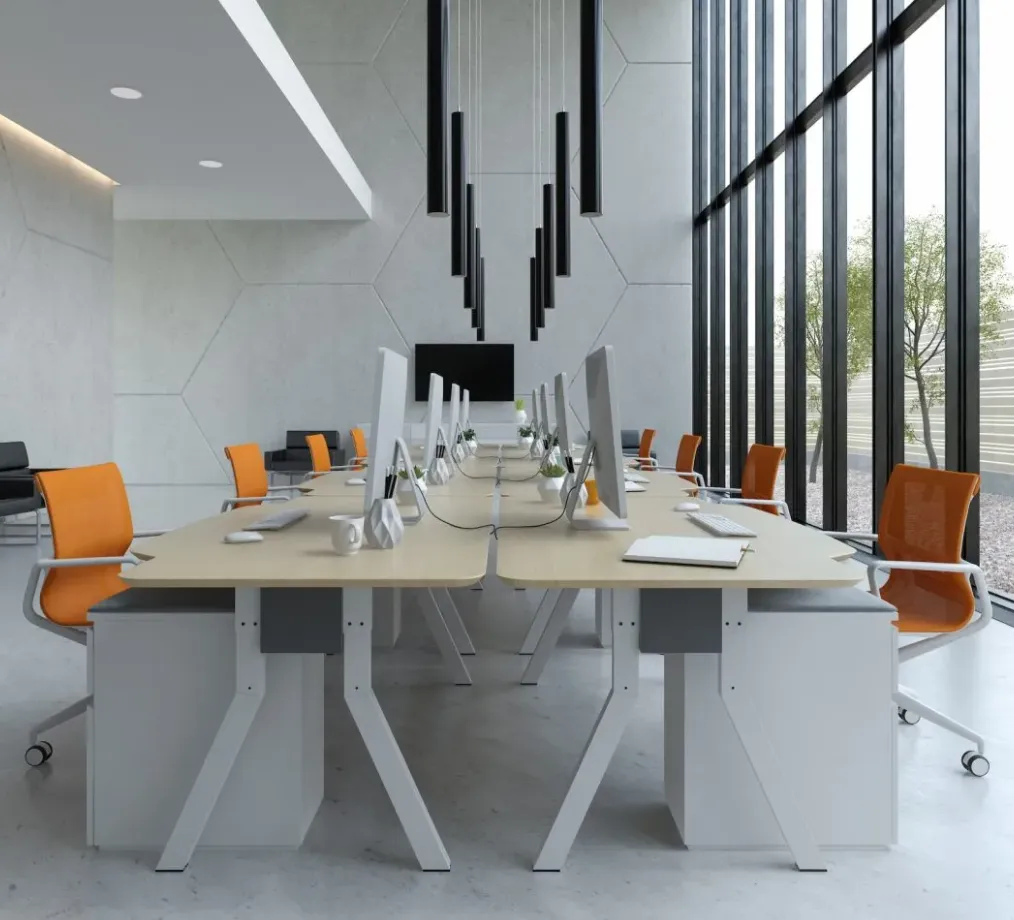
Creating a productive and welcoming office starts with something many people overlook: the quality of light in the room. Lighting affects far more than visibility—it influences mood, focus, and even long-term health. Poor illumination can lead to eye strain, tiredness, and reduced performance, while a thoughtfully lit environment helps employees stay alert, comfortable, and motivated.
In recent years, LED lighting has become the preferred choice for contemporary offices. It’s efficient, reliable, and capable of producing clean, consistent light. Whether you’re planning a new workspace or refreshing an existing one, understanding how LED lighting works—and why it’s so effective—can make a noticeable difference in day-to-day operations.
Why Office Lighting Matters
Good lighting is essential for safety, well-being and productivity. Organisations such as the Health and Safety Executive stress the importance of adequate illumination in preventing workplace accidents, and research consistently links appropriate lighting to improved mental and physical health.
Beyond functionality, lighting also contributes to the overall character of your workspace. A well-designed scheme enhances the visual appeal of the office and reflects the company’s culture. At the same time, energy use and sustainability have become major considerations for businesses. LEDs support these goals by lowering electricity consumption and reducing the frequency of replacements.
The Value of Energy-Efficient Lighting
Energy efficiency is now a key priority for companies seeking to reduce environmental impact and operational costs. LED technology stands out because it delivers powerful brightness while using far less electricity than older lighting methods.
Instead of heating a filament like traditional bulbs, LEDs rely on semiconductor technology to generate light, which dramatically improves efficiency and durability. This means high-quality illumination without excessive energy use, making LEDs particularly appealing at a time when energy bills continue to rise. For many businesses, upgrading to LEDs is an easy way to cut costs while supporting sustainability commitments.
Common Office Lighting Options
Several types of lighting exist, but only a few are practical for modern offices:
Incandescent bulbs
These were once the standard, but they waste most of their energy as heat and burn out quickly. Their inefficiency and short lifespan make them unsuitable for professional environments.
Compact Fluorescent Lamps (CFLs)
CFLs marked an improvement over incandescent bulbs in terms of energy use and longevity, but they contain mercury and often flicker. Disposal is more complicated, and their performance has largely been surpassed by LEDs.
Light-Emitting Diodes (LEDs)
LEDs have become the preferred choice thanks to their exceptional efficiency, long lifespan and strong light output. They produce minimal heat, contain no hazardous materials and offer stable, flicker-free illumination. Many LED fixtures can also be customised for colour temperature and brightness, providing greater control over the office atmosphere.
LED Lighting vs. CFL Lighting
While both CFLs and LEDs outperform older bulb types, LEDs are superior in every category. They last significantly longer, produce higher-quality light, and contain no toxic materials. Their durability and low energy use provide long-term savings while improving comfort for employees.
The Benefits of LED Lighting in the Workplace
A well-lit office can have a transformative effect on the working environment, and LEDs offer several advantages:
Higher productivity
The right lighting helps reduce fatigue and improve concentration. LEDs are available in colour temperatures that mimic natural daylight, supporting healthy sleep-wake cycles and reducing strain during long working hours.
Lower energy costs
LEDs consume far less electricity than older lighting solutions, making them an excellent choice for businesses aiming to reduce overheads. Their long lifespan also means fewer replacements and less maintenance.
Flexible design options
From ceiling panels to task lamps and pendant fixtures, LED lighting comes in countless shapes and sizes. This flexibility makes it easier to design lighting schemes that suit open-plan offices, meeting rooms or creative spaces.
Environmentally conscious
LEDs are fully recyclable and free from toxic components. Their low energy use reduces carbon emissions, helping businesses meet sustainability and ESG targets.
Long-lasting durability
The solid-state construction of LEDs makes them resistant to shock and vibration. They perform well in demanding environments and offer consistent lighting for years.
Improved workplace health
Flickering lights and harsh tones are a common source of headaches and eye strain. LEDs provide stable, high-quality lighting that supports visual comfort and reduces stress.
Types of Lighting Used in Offices
A layered lighting approach ensures that each part of the office serves its purpose effectively. LED lighting supports all major categories:
Ambient lighting
This is the main source of light in the office, typically achieved with overhead fixtures or recessed lights. Cool white tones often work best for maintaining alertness.
Task lighting
Used for focused activities such as reading, typing or design work. Desk lamps and under-cabinet strips offer targeted illumination without causing glare.
Accent lighting
Accent lights highlight artwork, signage or architectural features, adding personality and depth to the office design.
Office-Specific LED Lighting Solutions
Several LED options are tailored specifically to workplace needs:
LED panel lights
Ideal for open-plan layouts, these fixtures deliver broad, even light. Back-lit panels offer cost-effective performance, while edge-lit versions provide a slimmer, more refined appearance.
Suspended lighting
Pendant fixtures bring both style and functionality to collaborative areas or shared tables, offering focused illumination.
Recessed lighting
Installed directly into the ceiling, recessed LEDs provide a clean, modern look and are ideal for hallways or smaller rooms.
Standards for Office Lighting in the UK
Employers in the UK must follow regulations that ensure workplaces are lit safely and appropriately. When planning your lighting layout, consider:
- Natural daylight availability
- Intensity of artificial lighting
- The type of work carried out in each area
More complex tasks require brighter lighting. For example, basic reading may need around 160–240 lux, whereas detailed technical work may require 400–600 lux. Emergency lighting must also be included to illuminate exits and pathways during power failures.
Choosing the Right Colour Temperature
Colour temperature affects the tone and clarity of the light source:
- 2700K–3000K: Warm white for relaxed settings
- 4000K–5000K: Neutral or cool white for productive work areas
- 5000K–6500K: Daylight for detailed or creative tasks
Most offices benefit from lighting in the 4000K–5000K range, offering a crisp, balanced light that supports focus without causing glare or fatigue.
A Smarter Approach to Workplace Lighting
LED lighting has become a cornerstone of modern office design thanks to its efficiency, versatility and health benefits. By choosing LEDs and creating a layered lighting strategy, businesses can build a more comfortable, attractive and productive workspace while reducing long-term costs and supporting sustainable practices.
