



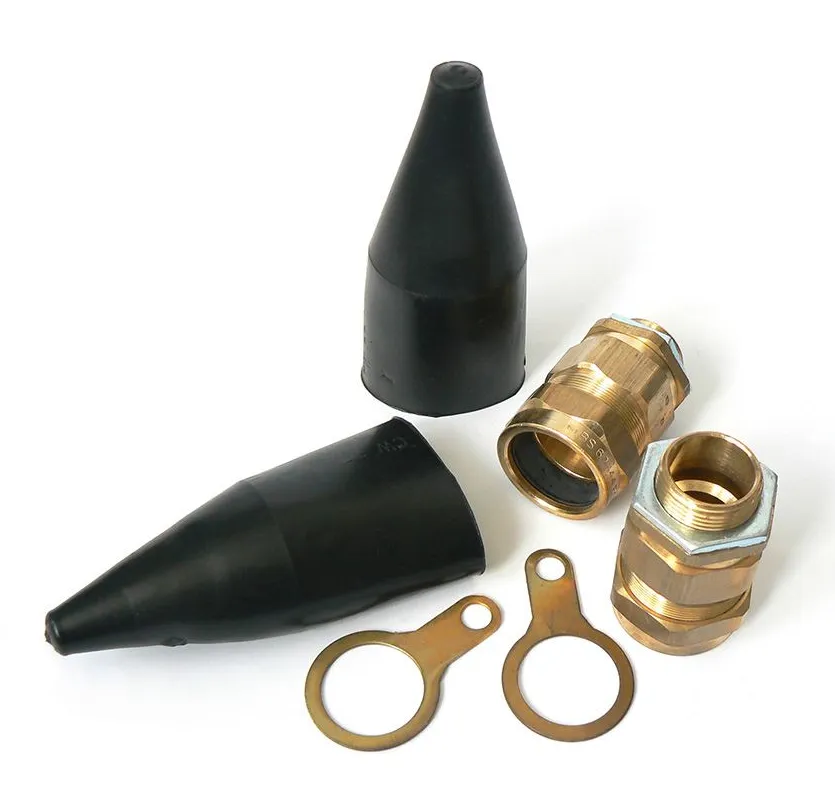
Working with Steel Wire Armoured (SWA) cables requires precision, and selecting the correct gland size is one of the most important steps in ensuring a safe and reliable installation. The right gland doesn’t just secure the cable—it protects the system from environmental damage, maintains electrical integrity and keeps your installation compliant with industry standards. Whether you’re carrying out a domestic upgrade or managing a commercial project, understanding how to choose the correct gland size will make your work smoother and safer.
Why SWA Glands Are Essential
SWA glands serve several critical purposes that go far beyond simply holding a cable in place. They form part of the system’s protection, grounding and mechanical support, making them indispensable in demanding environments.
Securing the cable
Cables experience strain from movement, vibration and pulling forces. A properly sized gland keeps the cable firmly in position, reducing the risk of disconnections or internal damage.
Supporting earthing
SWA glands help ensure a dependable earth path by connecting the armouring effectively. This is key to preventing electric shocks and maintaining a stable electrical system.
Maintaining insulation
A well-fitted gland helps preserve the cable’s insulation and prevents faults between cores or nearby wiring components.
Providing mechanical strength
In areas exposed to vibration or heavy loads, glands provide essential strain relief and bonding to keep the cable performing as it should.
Sealing against the environment
Outdoor and industrial locations expose cables to moisture, dust and chemicals. Glands with suitable IP ratings protect the cable from these hazards and prolong its lifespan.
Suitable for multiple applications
From underground lighting to factory installations, SWA glands adapt well to varied environments where durability and safety are priorities.
Choosing the Right Material for SWA Glands
The performance of an SWA gland depends heavily on the material used. Different materials offer different advantages depending on the environment.
Brass
A strong, corrosion-resistant choice suitable for most indoor and industrial setups.
Stainless steel
Ideal for harsh, corrosive or coastal environments thanks to its superior resistance to rust.
Aluminium
Lightweight and corrosion-resistant, making it useful for suspended installations or mobile equipment.
Nylon
Non-conductive and weather-resistant, suitable for damp locations or applications needing lightweight fittings.
PVC
Cost-effective and suitable for low-risk indoor environments.
PTFE (Teflon)
Highly resistant to chemicals and extreme temperatures, best for specialist or laboratory environments.
Combination materials are also used in some glands to provide additional protection or flexibility.
How SWA Cable Glands Function
An SWA gland consists of several components designed to secure and protect the cable from all directions. These usually include sealing washers, compression nuts, armour clamps and protective seals. By clamping the armouring and forming a tight seal around the cable, the gland prevents movement, blocks moisture and maintains electrical safety. More advanced versions may include double compression systems for high-risk or hazardous areas.
How to Choose the Correct SWA Gland Size
Selecting the right gland size requires a few key measurements and considerations.
Measure the cable diameter
Determine both the outer sheath and the bedding diameter. Accurate measurements ensure the gland seals properly.
Check the construction and core count
Larger or multi-core cables may need specific gland sizes to accommodate extra space within the armour.
Identify the armour type
Steel or aluminium armour affects how the gland clamps onto the cable and influences compatibility.
Review IP and pressure ratings
The installation environment will dictate the level of sealing required. Projects exposed to water, dust or chemicals may require higher IP ratings.
Before finalising your choice, ask yourself:
- Does the gland fit securely around both the armour and the sheath?
- Is the sealing level adequate for the environment?
- Do additional accessories such as shrouds or plugs need to be used?
- Does the gland provide a strong and reliable earth connection?
Special Gland Types Worth Knowing
Some installations require more specific gland models due to space constraints or environmental demands.
20S Glands
Compact and designed for smaller SWA cables, making them ideal for installations where space is limited.
M20 and M20S Glands
These variants are known for strong sealing capabilities and thermal stability, making them suitable for more demanding electrical systems.
Final Thoughts
Selecting the correct SWA gland size is critical for a safe, compliant and long-lasting installation. By understanding cable construction, environmental demands and the role each gland component plays, you can choose a fitting that offers secure anchoring, reliable sealing and long-term performance. Whether you’re working on a small domestic project or a large industrial system, the right gland ensures your SWA cable operates safely from day one.
