



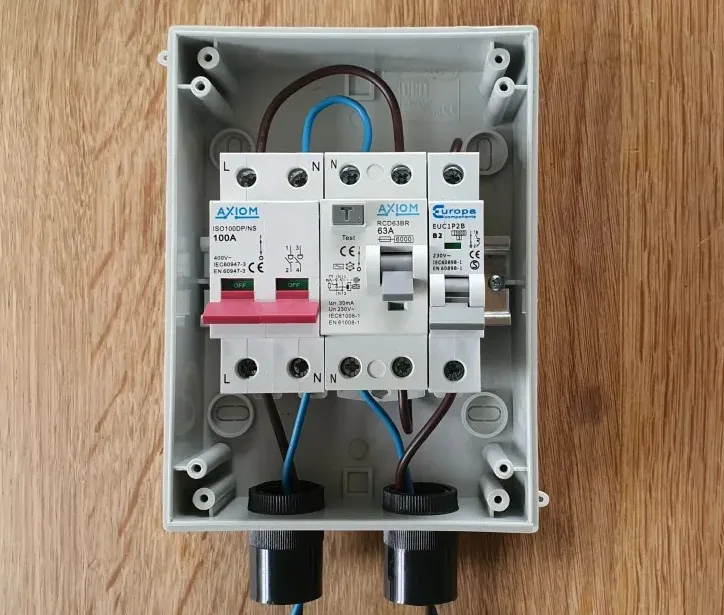
If you’ve ever wondered what keeps your home or workplace protected from electrical faults, look no further than the consumer unit. Often called a fuse box, this essential component acts as the main safety and distribution centre for your entire electrical system. Whether you’re managing a renovation, upgrading your electrics or simply learning more about how your property works, understanding your consumer unit is a smart place to start.
What Is a Consumer Unit?
A consumer unit is the central point where electrical power is divided into separate circuits. Positioned close to the electricity meter, it contains devices that control and safeguard the flow of electricity throughout the building. Its primary job is to reduce the risk of electric shock, prevent fires caused by overloaded circuits and isolate faults quickly to minimise danger.
Key Components Inside a Consumer Unit
To understand how a consumer unit protects your property, it helps to know what’s inside it:
Main Switch
This switch controls the entire electrical supply. In an emergency, it shuts off every circuit in the building, offering an immediate way to make the system safe.
RCD (Residual Current Device)
RCDs continuously monitor electrical flow. If they detect an imbalance—such as current leaking through a person—they disconnect the circuit within milliseconds. This feature dramatically reduces the risk of electric shock.
MCB (Miniature Circuit Breaker)
Each MCB protects an individual circuit, such as lighting or sockets. When too much current flows or a short circuit occurs, the MCB trips and prevents overheating and fire.
RCBO (Residual Current Breaker with Overcurrent Protection)
An RCBO combines the functionality of both an RCD and an MCB. It protects against earth faults, overloads and short circuits in one unit, making it ideal for circuits that must remain highly reliable.
Types of Consumer Units
Consumer units come in different configurations based on the needs of the property. Here are the most common types:
High Integrity Consumer Units
These units include multiple neutral bars, allowing selective use of RCDs and RCBOs. They are ideal when you want certain circuits—such as alarms or refrigeration—to remain unaffected by other trip events.
Split Load Consumer Units
A popular option for many homes, split load units separate circuits across two RCDs. This design offers good protection without the higher cost of full RCBO setups.
Garage Consumer Units
Smaller and simpler, these compact versions are used in garages, sheds and workshops. They typically support a few circuits but still offer the same vital safety features.
How to Choose the Right Consumer Unit
Selecting the right unit depends on several factors:
Load Requirements
Think about your current demand and any future upgrades. Standard homes often work well with split load units, while larger properties or commercial sites may require three-phase boards.
Installation Environment
The size and complexity of your property matter. Domestic spaces need compact, tidy units, while commercial installations may call for more advanced boards with additional capacity.
Compliance
Always make sure the unit meets UK or ROI regulations. Compliance isn’t just about safety—it’s also essential for insurance and legal sign-off during home sales or renovations.
Important Safety Tips
Always Use a Qualified Electrician
Installing or modifying a consumer unit requires technical knowledge and must follow Building Regulations. Professional installation ensures proper testing and certification.
Schedule Periodic Checks
Over time, connections can loosen or components may wear out. Regular inspections help maintain performance and prevent unexpected faults.
Avoid Overloading Circuits
Make sure appliances are connected to appropriately rated circuits. Consistent tripping is often a warning sign that the system needs reviewing.
When Should You Upgrade Your Consumer Unit?
An upgrade may be necessary if:
- Your property still uses an outdated fuse box
- You’ve added new electrical appliances or extended your home
- You’re failing to meet current wiring regulations
- Breakers trip repeatedly or you experience unexplained power issues
Upgrading typically involves installing a modern metal-clad unit, performing full safety checks and issuing a certificate once everything is approved.
Consumer Unit Regulations You Should Know
UK Requirements (BS 7671)
- Enclosures must be made from non-combustible materials
- Consumer units should be positioned between 1350mm and 1450mm above floor level
- RCD protection is required on most domestic circuits
ROI Requirements (I.S. 10101)
- A double-pole isolator is mandatory
- All lighting circuits must have RCD protection
- Surge protection devices must be installed or formally risk-assessed
- Additional protection applies to final AC circuits
Final Thoughts
A consumer unit is the backbone of your property’s electrical system, working quietly in the background to keep everything running safely. By understanding its components, choosing the right type for your needs and following proper regulations, you can ensure your electrical installation remains both efficient and secure for years to come.
