



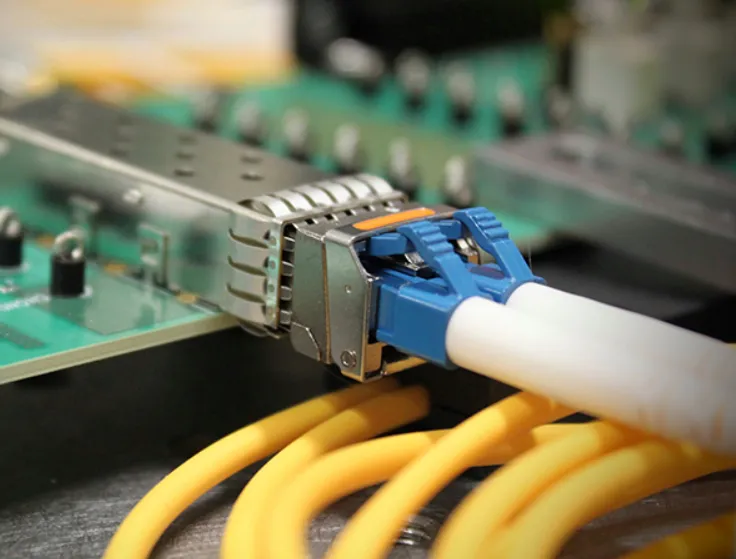
In modern communication systems, fiber optic networks form the foundation of high-speed, long-distance data transmission. At the core of these systems is the fiber optical transceiver, a small but powerful device that converts electrical signals into optical ones—and back again—so data can travel through fiber cables efficiently. Selecting the right transceiver is essential for ensuring network stability, performance, and scalability. Below, we outline the key factors to evaluate before making your choice.
1. Transmission Speed and Data Rate
The first consideration is the speed your network requires. Fiber transceivers are available in multiple data rates such as 1G, 10G, 25G, 40G, 100G, and 400G.
It’s important to select a transceiver that aligns with your current bandwidth needs while also supporting future upgrades. For instance, if your infrastructure currently operates at 10G but will scale to 100G in the coming years, investing in higher-capacity transceivers now can save significant costs later.
2. Transmission Distance
Transceivers are designed for different transmission ranges, depending on the type of fiber used. Common categories include:
- SR (Short Range): Up to 300 meters using multimode fiber.
- LR (Long Range): Up to 10 kilometers on single-mode fiber.
- ER (Extended Range): Up to 40 kilometers.
- ZR (Ultra-Long Range): 80 kilometers or more.
Before purchasing, measure the distance between network nodes and choose a transceiver optimized for that range.
3. Connector Type and Form Factor
Form factors define the physical design and compatibility of transceivers with network devices. The most common types are:
- SFP (Small Form-Factor Pluggable)
- SFP+ (Enhanced SFP, supporting up to 10G)
- QSFP/QSFP28 (for 40G and 100G)
- CFP/CFP2/CFP4 (for high-speed data transmission)
Always confirm that your switch, router, or server supports the same transceiver format you plan to use.
4. Device Compatibility
Compatibility with existing network equipment is critical. Some manufacturers restrict the use of third-party components, which can lead to compatibility issues.
To avoid this, either purchase OEM-certified transceivers or reputable third-party models that have been tested for your specific hardware. Using certified equipment ensures proper communication between devices and reduces the risk of configuration errors.
5. Fiber Type: Single-Mode vs. Multi-Mode
The type of fiber cable in your network determines the transceiver you need:
- Single-Mode Fiber (SMF): Designed for long-distance transmission and uses single-mode transceivers.
- Multi-Mode Fiber (MMF): Best for shorter distances and requires multimode-compatible transceivers.
Check your network’s existing fiber type to ensure compatibility, as the two are not interchangeable.
6. Wavelength and Laser Type
Fiber transceivers operate at specific wavelengths that affect signal reach and performance. Typical wavelength ranges include:
- 850 nm for multimode short-distance connections.
- 1310 nm for medium-range single-mode links.
- 1550 nm for long-distance single-mode transmission.
The laser type—whether VCSEL, FP, or DFB—also influences the transceiver’s power efficiency and cost. Always match the wavelength with your fiber design for optimal results.
7. Duplex vs. Bidirectional (BiDi) Transceivers
Traditional duplex transceivers use two separate fiber strands for sending and receiving data. BiDi transceivers, however, use a single fiber by transmitting on different wavelengths.
BiDi modules reduce cabling costs and save space, but they must be deployed in matched pairs. They’re particularly useful in space-limited installations such as data centers.
8. Power Efficiency and Heat Management
Power consumption is a major factor in large-scale installations. High-speed transceivers tend to generate more heat, which can impact system longevity if not properly managed. Look for models that offer:
- Low energy usage
- Built-in power-saving functions
- Compatibility with your current cooling systems
This ensures better energy efficiency and extended device lifespan.
9. Vendor Reliability and Support
When purchasing transceivers, choose vendors who provide strong after-sales service, including:
- Warranties (typically between 1–5 years)
- Technical assistance and support
- Testing certifications
- Return or replacement policies
Buying from a trusted supplier guarantees product quality and dependable performance.
10. Balancing Cost and Performance
While OEM transceivers are often more expensive, they guarantee full compatibility. Meanwhile, third-party transceivers can offer excellent value if properly tested and certified.
When evaluating options, consider the total cost of ownership, including power usage, maintenance, and potential future upgrades, rather than just the initial purchase price.
Conclusion
Selecting the right fiber optical transceiver goes beyond simple compatibility—it’s about optimizing your network’s speed, reliability, and readiness for future expansion. By assessing critical factors like data rate, transmission range, form factor, and power consumption, you can ensure your network runs smoothly and efficiently.
Before making a final decision, review your network architecture, anticipate future capacity needs, and consult with trusted suppliers or engineers. A carefully chosen transceiver not only enhances current performance but also lays the foundation for a scalable, future-proof fiber network.
