



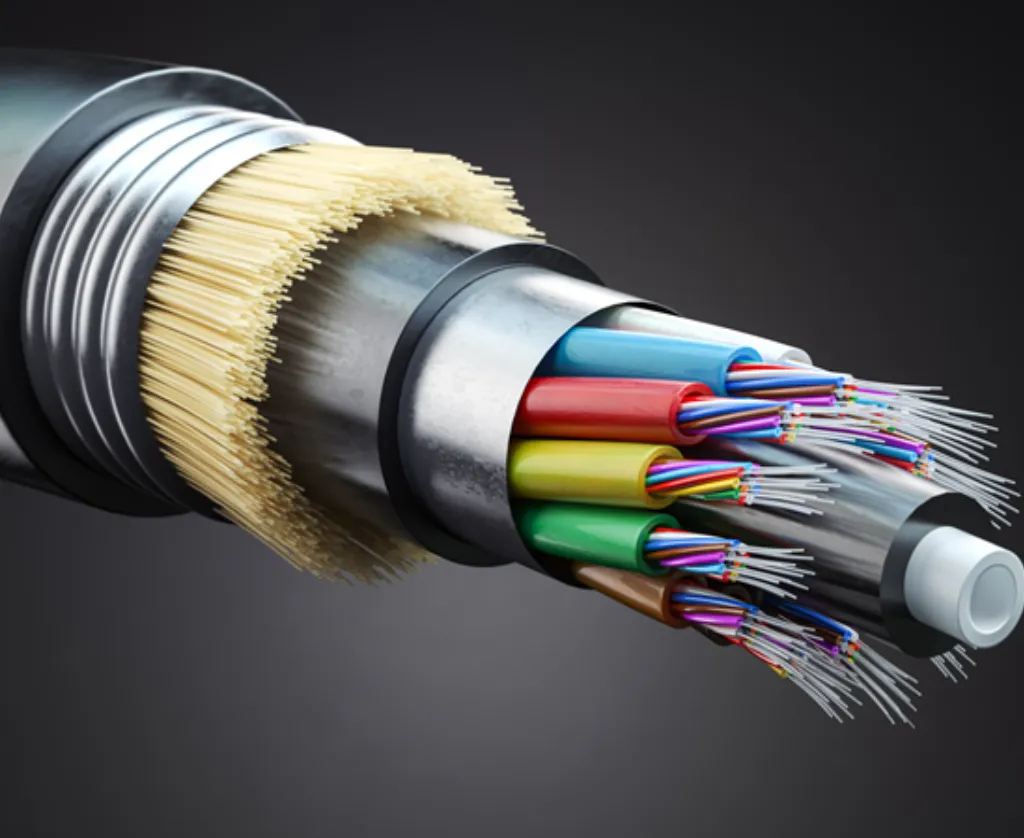
Modern defense operations rely on communication systems that can deliver speed, reliability, and resilience in demanding environments. As missions grow more dependent on real-time data and interconnected technologies, the military has turned to hybrid cable systems to meet these rising expectations. These advanced cables combine multiple functions within a single, ruggedized design, providing a streamlined alternative to traditional cabling setups.
What Exactly Are Hybrid Cables?
Hybrid cables integrate different types of conductors—commonly fiber optic strands alongside electrical power wires—into one unified cable. In some designs, copper-based data lines, coaxial elements, or shielding for radio-frequency protection may also be included.
For military use, this means that video feeds, voice communication, power delivery, and digital data can travel through one cable instead of several. The result is a more efficient infrastructure that simplifies installation and reduces the physical load on personnel and equipment.
Why Hybrid Cables Are Essential for Today’s Military
Modern missions rely heavily on rapid, secure, and uninterrupted communication. These systems support intelligence gathering, remote sensors, weapons control, satellite links, and real-time data sharing between units. In unpredictable terrain—from dense forests to polar climates—hybrid cables offer a durable and efficient solution for maintaining connectivity.
Key Advantages of Hybrid Cables in Defense Operations
1. Less Bulk, Less Weight
By consolidating power and multiple signal types into one cable, hybrid systems dramatically reduce overall cabling requirements. This cuts down deployment time, lowers the equipment load on vehicles and aircraft, and simplifies routing in compact or mobile environments. For field command posts or vehicle-based systems, this benefit can significantly improve operational efficiency.
2. Faster Setup and Mobility
Speed matters in tactical settings. Hybrid cables allow teams to deploy communication and power systems rapidly, without the complications of managing separate cable types. Preassembled hybrid units are designed for quick connections, reducing errors and minimizing the time needed to establish communication lines in active zones.
3. Built for Punishing Conditions
Military-grade hybrid cables are engineered for resilience, often incorporating:
- Abrasion-resistant jackets
- Protection against crushing and impacts
- Resistance to oils, chemicals, and UV exposure
- Waterproof construction for submerged or rain-soaked environments
This ruggedness ensures performance in conditions that would compromise conventional cables, from desert sandstorms to icy, wet terrain.
4. Protection Against Electromagnetic Disruption
In combat zones, electromagnetic interference can cripple communication. Many hybrid cables include specialized shielding that protects copper conductors while isolating fiber strands. This helps preserve signal clarity even in environments filled with electronic noise from vehicles, generators, and other equipment.
5. High-Performance Fiber Optic Capability
The fiber optic components within hybrid cables enable fast, secure, and long-distance communication. Key advantages include:
- High data capacity
- Minimal latency
- Resistance to tapping and interference
These qualities are essential for encrypted military networks and surveillance applications, where clarity and security cannot be compromised.
Where Hybrid Cables Are Used in Military Communications
Tactical Communication Networks
Hybrid cables support communication links between command centers, field units, and satellite systems, making them ideal for quick-deployment operations.
Unmanned Vehicles and Remote Systems
Tethers and support stations for UAVs and UGVs rely on hybrid cables to transmit real-time video and telemetry while simultaneously delivering power.
Mobile Command Centers
Trucks and shelters used as mobile HQs benefit from simplified internal wiring. Hybrid cables help integrate displays, radios, computers, and antenna systems with minimal clutter.
Naval and Marine Systems
Ships and submarines require durable, corrosion-resistant cabling. Hybrid systems support radar consoles, communications equipment, and navigation systems under harsh marine conditions.
Remote Radar and Sensor Installations
Hybrid cables allow remote monitoring stations to operate with fewer support systems, reducing infrastructure needs in isolated or strategic locations.
Customization for Mission Needs
Hybrid cables can be tailored for specific military applications. Options include:
- Different combinations of fiber and copper conductors
- Multiple shielding arrangements
- Specialized jacket materials suited for heat, cold, or chemical exposure
- MIL-SPEC and circular connectors for mission compatibility
This flexibility ensures that cables align with both current and future system requirements.
Challenges and Ongoing Innovations
While highly effective, hybrid cables present certain challenges:
- Their complex construction makes repairs more difficult.
- The added engineering can increase production costs.
- Compatibility with older systems may require adapters or upgrades.
However, new advancements—such as lightweight aramid materials, improved diagnostics, and self-healing outer jackets—are addressing these issues and pushing hybrid cable technology forward.
Conclusion
Hybrid cables represent a major step forward in military communication infrastructure. By combining power delivery and multiple data pathways into a single, rugged cable, they provide unmatched efficiency, speed, and reliability in challenging environments. As military operations become more data-driven and technologically sophisticated, hybrid cables will continue to play a central role in ensuring secure, high-performance communication networks across all domains.
