



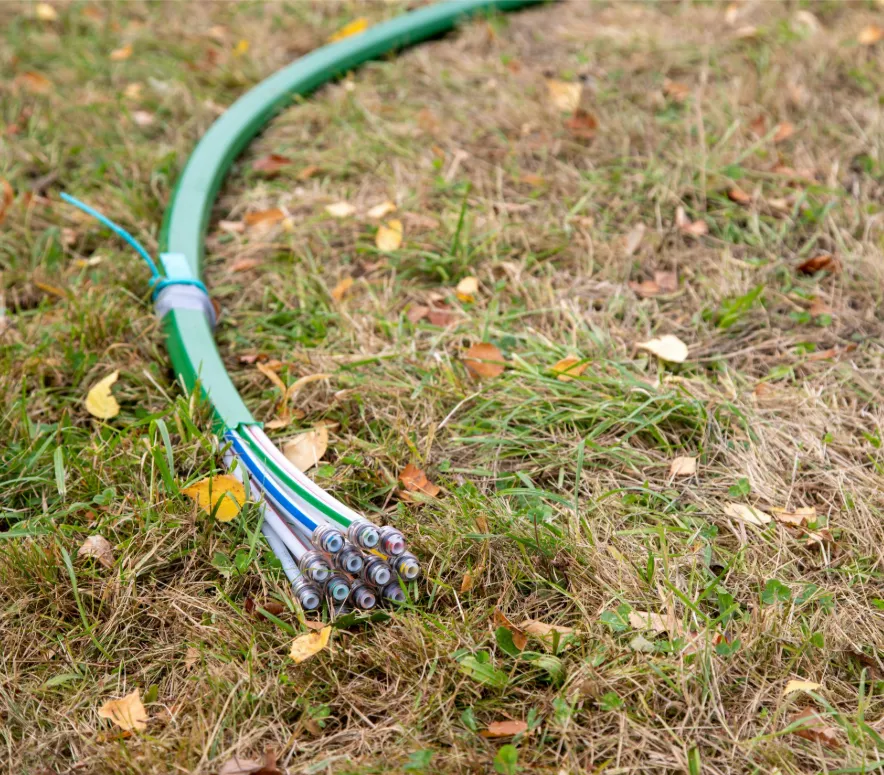
Fiber optic cabling has become essential for modern communication systems, offering high bandwidth, noise immunity, and reliable long-distance performance. But when these cables are installed in environments that expose them to heat, moisture, vibration, chemicals, or physical stress, the choice of cable type becomes far more critical. Harsh conditions demand designs that can stand up to environmental and mechanical challenges without compromising signal quality or lifespan.
This guide breaks down the key factors to consider when selecting fiber optic cables for demanding environments, helping engineers and project planners make informed decisions that support long-term system performance.
Defining a Harsh Environment
Not all installations face the same challenges, so understanding the specific environmental stresses is the first step. Harsh conditions may include:
- Extreme heat or cold
- Chemical exposure from oils, solvents, or fuels
- High humidity or direct contact with water
- Intense UV exposure
- Vibration or crushing forces
- Rodent or insect activity
- Fire safety requirements
- Submersion or underground placement
Each of these factors influences which fiber construction, jacket type, or armor configuration is most suitable.
Key Factors to Evaluate When Selecting Fiber Cables
1. Cable Construction
Different cable constructions offer varying levels of protection and flexibility:
Tight-Buffered Cables – Common in indoor or short-distance runs; easy to terminate but less rugged outdoors.
Loose-Tube Cables – Better suited for outdoor or industrial sites, with water-blocking features and improved mechanical protection.
Armored Cables – Incorporate metal layers to resist crushing forces and rodent damage.
Breakout Cables – Individually jacketed fibers ideal for industrial environments where durability is essential.
Choosing the right construction ensures the cable can withstand conditions at the installation site.
2. Jacket Material
The jacket is the cable’s first line of defense. Options include:
- PVC – Affordable and flexible but not ideal for chemicals or extreme temperatures
- Polyethylene (PE) – Strong outdoor performance with moisture and abrasion resistance
- LSZH – Designed for indoor areas requiring low smoke and low toxicity during a fire
- TPU – Highly durable for environments with oil, chemicals, or heavy mechanical wear
Matching the jacket to the installation environment significantly improves service life.
3. Armor and Strength Members
Harsh environments often require additional protection. Metal armor, such as corrugated steel or interlocking aluminum, helps the cable withstand crushing, impact, or rodent attack. Strength members—typically aramid fibers or fiberglass rods—absorb tension during installation and operation, preventing fiber damage.
4. Moisture Protection
Water is one of the most common causes of fiber failure. To combat this, outdoor cables include:
- Gel-filled tubes to prevent water from spreading
- Dry water-blocking yarns or tapes for easier handling and faster splicing
Selecting a cable with the right moisture-blocking system is crucial in buried or underwater installations.
5. Temperature Rating
Temperature fluctuations can cause cable components to expand or contract. Standard outdoor cables handle –40°C to +70°C, but extreme-environment versions can operate well below or above this range. High-temperature industrial locations, arctic climates, and military deployments require cables designed specifically for those conditions.
6. Choosing Between Single-Mode and Multimode
Fiber type depends on performance requirements:
- Single-Mode – Best for long-distance, high-bandwidth communication; common for outdoor and industrial networks
- Multimode – Used in shorter indoor runs where bandwidth demands are lower
For most harsh environments, ruggedized single-mode loose-tube designs offer the greatest longevity and scalability.
7. UV and Fire Protection
Outdoor cables need UV-resistant jackets to avoid cracking from sunlight exposure. For indoor installations, especially risers, tunnels, or control rooms, cables must meet fire-performance standards such as LSZH compliance or plenum-rated certifications.
8. Compliance and Industry Standards
Reliable fiber installations rely on adherence to recognized standards. Look for:
- TIA-568 or ISO/IEC 11801
- IEC 60794 environmental testing compliance
- RoHS and REACH material approvals
- Military-grade or NATO-grade specifications for defense applications
These standards ensure the cable can withstand the conditions it will face.
Tips for Long-Term Cable Reliability
- Test pull strength before installation to avoid overstressing the cable
- Follow bend-radius guidelines during routing
- Use appropriate conduits or trays to protect from crushing or sharp edges
- Consider stranded fiber counts for future expansion
- Use pre-terminated solutions when clean installation and rapid deployment are priorities
Final Thoughts
Selecting fiber optic cables for harsh environments requires more than choosing the right bandwidth or fiber count. It involves evaluating physical, environmental, and safety factors that directly impact long-term performance. By considering jacket materials, armor layers, water-blocking methods, temperature ratings, and compliance requirements, organizations can build networks that remain reliable and safe in even the most extreme conditions.
