



In a time when reliable connectivity supports everything from remote work to entertainment streaming, the cables behind the scenes matter more than many people realize. Wireless networks may be convenient, but wired connections still serve as the backbone of stable, high-performance communication—especially where speed and consistency are critical. At the heart of these wired setups are Ethernet patch cords, simple yet essential tools that keep modern networks running smoothly.
What Exactly Is an Ethernet Patch Cord?
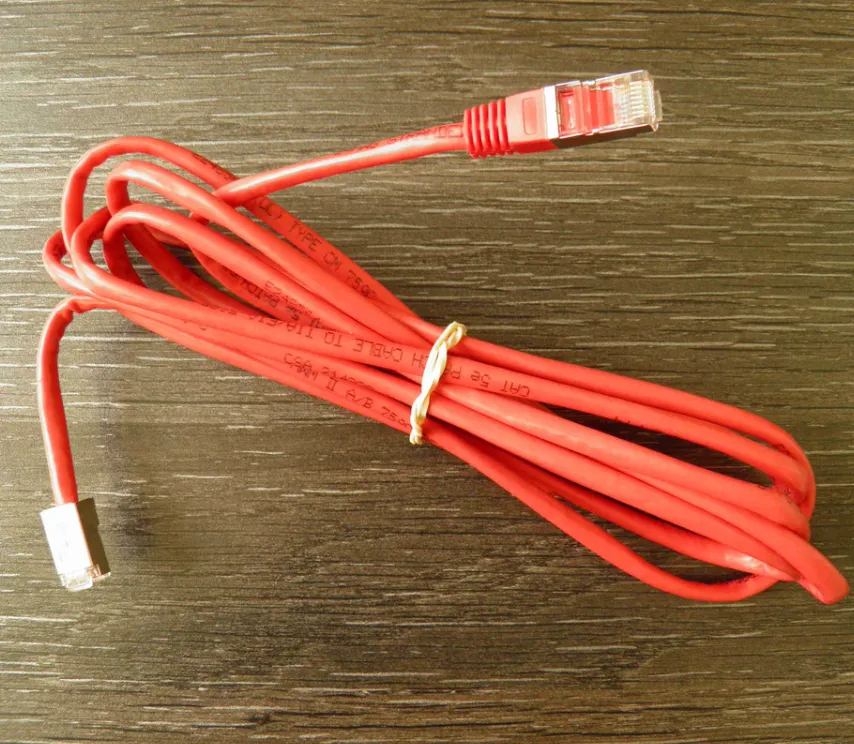
An Ethernet patch cord is a short cable used to connect devices within a network, such as linking a computer to a router or bridging connections inside a server rack. These cords typically feature RJ45 connectors on both ends and use twisted copper pairs to transmit data over short distances.
Unlike long-term structured cabling hidden in walls, patch cords are meant for flexible, easy-to-access connections that can be adjusted or replaced as needed.
Why Patch Cords Still Matter
Even with advances in wireless technology, Ethernet patch cords remain vital for several reasons:
1. Faster and More Consistent Speeds
Ethernet can deliver high data rates—up to 10Gbps or more—without the variability that often affects Wi-Fi networks.
2. Stable and Interference-Free Connections
Ethernet isn’t affected by signal congestion or physical obstacles. For tasks requiring uninterrupted performance, such as video calls or online gaming, this reliability is invaluable.
3. Enhanced Security
Because someone must physically connect to a wired network, patch cords inherently reduce the risks associated with wireless access.
4. Power and Data Through One Cable
With Power over Ethernet (PoE), a single patch cord can deliver both electricity and data to devices like access points, security cameras, and VoIP phones, simplifying installations.
Different Types of Ethernet Patch Cords
Patch cords come in various categories, each offering different performance capabilities:
Cat5e
- Up to 1 Gbps
- Suitable for basic household or small office use
Cat6
- Supports 10Gbps at shorter distances
- Ideal for high-speed home and business networks
Cat6a
- Full 10Gbps support with better shielding
- Favored in enterprise environments and server rooms
Cat7 and Cat8
- Higher bandwidth and frequencies
- Often used in data centers or specialized applications requiring exceptional speeds
Shielded or Unshielded?
Shielded (STP) patch cords provide added protection against electromagnetic interference, making them ideal for industrial settings or areas crowded with electrical equipment.
Unshielded (UTP) cords are more flexible and cost-effective, and work well in most home or office environments.
Where Patch Cords Are Commonly Used
- Connecting computers or printers to routers and switches
- Linking hardware inside network cabinets
- Powering PoE-enabled devices
- Setting up temporary test connections during troubleshooting
- Completing structured cabling systems by connecting wall outlets to end-user devices
Choosing the Right Patch Cord
A few simple considerations can help you select the best cable:
Network Speed Needs:
Choose Cat6 or higher for demanding tasks like 4K streaming or gaming.
Cable Length:
Use only as much length as necessary to avoid tangles and unnecessary signal reduction.
Environment:
Select shielded cords in high-interference areas; unshielded are fine for typical indoor setups.
Future Planning:
Stepping up to Cat6a or Cat7 can help ensure your network is ready for future upgrades.
Best Practices for Handling Patch Cords
- Avoid tight bends that can damage the internal wiring
- Label cables for easier identification in complex setups
- Keep cords away from power cables to reduce interference
- Use organizers like Velcro ties or cable trays to maintain a clean, functional workspace
The Continued Relevance of Patch Cords
As networks expand to support smart devices, cloud services, and growing data needs, patch cords remain an essential part of the equation. They’re evolving alongside other technologies, with new designs offering better shielding and higher bandwidth support. Even in environments dominated by Wi-Fi, patch cords provide the speed and reliability needed for mission-critical tasks.
Conclusion
Ethernet patch cords may be small, but they are indispensable to modern networking. They deliver the solid performance, security, and dependability that wireless systems can’t always match. Whether you’re setting up a simple home office or managing a complex enterprise network, choosing the right patch cords is key to achieving fast and stable connectivity.
These unassuming cables aren’t just linking devices—they’re ensuring your entire digital world runs smoothly.
