



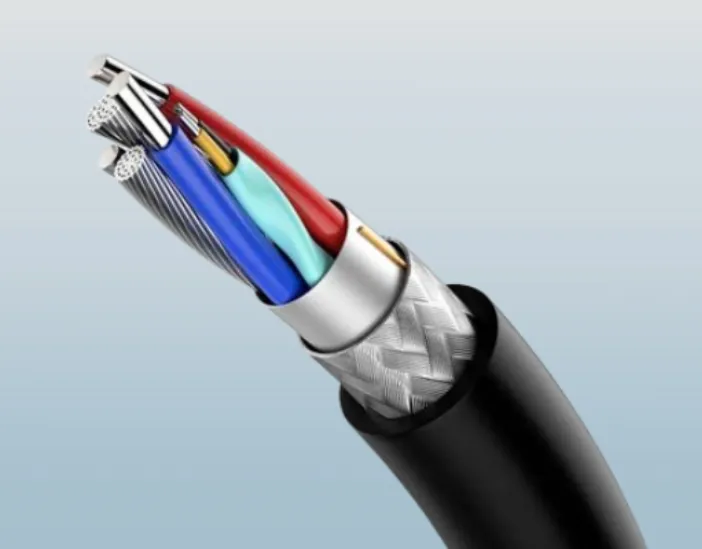
In a world where protecting property and sensitive information has become increasingly important, security solutions extend far beyond cameras and alarms. One of the simplest yet most effective tools in physical security is the security cable. These cables come in a variety of forms, each designed to deter theft, prevent tampering, or restrict access to valuable items and areas.
This guide walks through the major types of security cables, how they’re used, and what to consider when choosing the right one for your situation.
What Are Security Cables?
Security cables are strong, durable cables made from materials such as steel or braided metal that create a physical barrier against unauthorized access or theft. Some include locks, tamper-evident seals, or built-in sensors, and they are used in everything from simple personal protection applications to advanced industrial and security systems.
1. Steel Cable Locks
Description:
These locks use solid or braided steel wire, making them exceptionally difficult to cut. Many include loops on both ends or come with built-in locking heads.
Typical Uses:
- Bicycles, scooters, and outdoor equipment
- Securing electronics or machinery
- Locking gates or exterior fixtures
Advantages:
Strong, versatile, and available in many sizes.
2. Laptop Security Cables
Description:
Often called Kensington-style locks, these cables connect to a locking slot on laptops and other portable electronics. They generally use either key or combination mechanisms.
Typical Uses:
- Office desks and shared workspaces
- Schools and libraries
- Trade show displays
Advantages:
Lightweight, simple to use, and ideal for deterring opportunistic theft.
3. Pull-Tight Security Cables
Description:
These single-use cables tighten into place and must be cut for removal, making tampering obvious.
Typical Uses:
- Cargo containers and freight
- Secure storage areas
- Cash handling operations
Advantages:
Easy to apply and excellent for tamper detection.
4. Coiled Security Cables
Description:
Flexible, retractable cables that stretch when needed and coil back into a compact form.
Typical Uses:
- Outdoor recreation gear
- Luggage and travel accessories
- Retail displays
Advantages:
Portable, tidy, and convenient for temporary setups.
5. Alarmed Security Cables
Description:
These cables integrate sensors that trigger an alarm if they are cut or disturbed.
Typical Uses:
- High-value retail products
- Museum exhibits
- ATM and vending machine protection
Advantages:
Immediate notification of tampering and strong deterrence.
6. Anchor-and-Cable Systems
Description:
A mounted anchor point is secured to a desk, wall, or floor and paired with a heavy-duty cable to lock down valuable equipment.
Typical Uses:
- Industrial tools
- Medical devices
- Office electronics
Advantages:
Extremely secure and customizable to different installations.
7. Cable Seals
Description:
These tamper-evident seals require cutting for removal and often include serial numbers for tracking.
Typical Uses:
- Shipping and logistics
- Border inspections
- High-compliance sectors such as pharmaceuticals
Advantages:
Reliable tracking and clear evidence of tampering.
8. PVC-Coated Security Cables
Description:
Steel cables covered with a protective plastic layer to prevent scratching and resist corrosion.
Typical Uses:
- Outdoor environments
- Marine applications
- General securing of tools or equipment
Advantages:
Weather-resistant and gentle on surfaces.
9. Network Security Cables
Description:
Used within secure IT environments, these include shielded Ethernet or fiber cables designed to prevent physical tampering or unauthorized connections.
Typical Uses:
- Data centers
- Government and financial institutions
- Encrypted or isolated network installations
Advantages:
Combines physical protection with secure data transmission.
10. Fiber Optic Sensor Cables
Description:
These high-tech cables use fiber optics to detect vibration, movement, or cutting attempts, making them ideal for perimeter security.
Typical Uses:
- Military and airport fencing
- Utility infrastructure
- Border protection systems
Advantages:
Immune to electromagnetic interference and capable of monitoring long distances with high accuracy.
How to Choose the Right Security Cable
1. Define the Purpose
Decide whether you’re protecting personal electronics, industrial machinery, freight, or data.
2. Consider the Environment
Outdoor locations require weather-resistant materials, while indoor use may prioritize convenience and flexibility.
3. Evaluate the Level of Security Needed
A basic deterrent may suffice for low-risk items, while high-value assets may require alarmed or tamper-evident systems.
4. Decide on Mobility
Some applications require portable solutions, while others benefit from permanently installed anchors.
5. Budget Appropriately
Costs vary widely based on strength, complexity, and technology.
Final Thoughts
Security cables may not draw attention like advanced digital systems, but they remain a cornerstone of physical protection across countless industries. With options ranging from simple steel locks to sophisticated sensor-enabled cables, there is a solution for virtually every security need.
When paired with other protective measures—such as surveillance, access control, and cybersecurity—security cables help create a layered defense that significantly enhances safety and reduces risk.
