



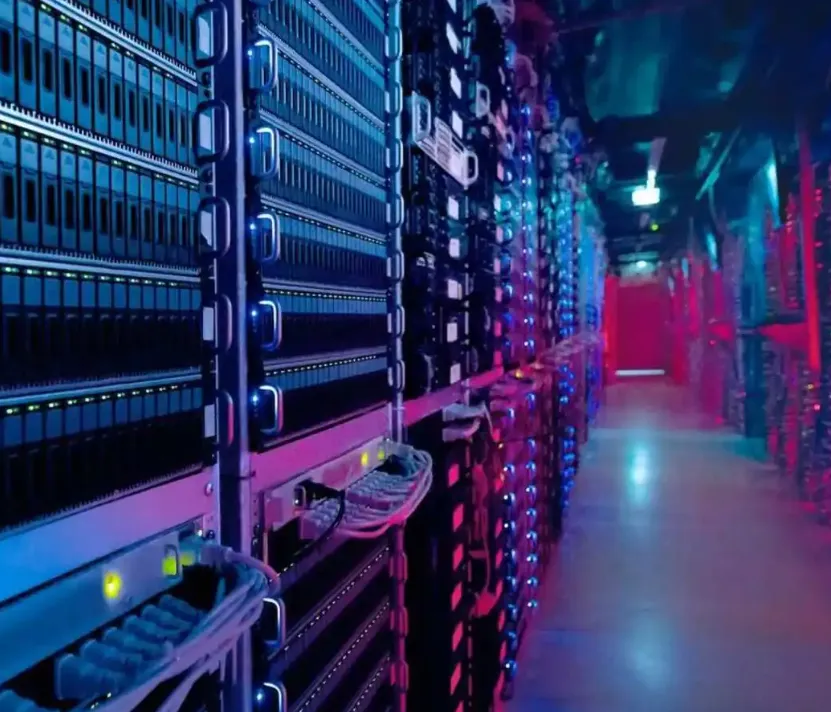
As organizations continue moving toward cloud-based systems, real-time analytics, and distributed computing, data centers have become more critical than ever. Yet many companies now operate multiple facilities rather than relying on a single location. Connecting these sites quickly and securely is essential—and that’s where Data Center Interconnect (DCI) comes in.
DCI provides the high-speed links that allow data centers to exchange information, balance workloads, and maintain business continuity. In this guide, we’ll take a closer look at what DCI is, the technologies behind it, and how different industries use it every day.
What Is Data Center Interconnect?
Data Center Interconnect refers to the networking technologies that link two or more data centers so they can operate as a cohesive system. These connections allow resources, applications, and information to move freely between locations. A strong DCI setup supports:
- Continuous service availability
- Disaster recovery and failover
- Scalable infrastructure
- Secure data exchange
Whether an organization uses multiple on-premises facilities, a mix of cloud and local systems, or a multi-cloud setup, DCI plays a vital role in keeping everything connected.
Core Features of DCI
Effective DCI solutions share several common characteristics:
- High capacity: Able to handle massive data transfers with minimal delay.
- Scalability: Grows with expanding workloads and storage needs.
- Resilience: Maintains uptime through redundancy and failover paths.
- Strong security: Protects data moving between facilities.
Key Technologies That Power DCI
Several technologies support data center interconnection, each offering unique advantages.
1. Wavelength Division Multiplexing (WDM)
WDM is one of the most widely used solutions for long-distance, high-capacity DCI. It sends multiple signals down a single fiber by using different wavelengths.
- DWDM – Designed for long-haul, high-density traffic
- CWDM – A more affordable option for shorter distances
Why it’s popular: WDM supports exceptional bandwidth and allows organizations to scale without laying new fiber.
2. Ethernet and IP/MPLS Networks
Ethernet offers a straightforward and cost-efficient way to connect data centers located within the same region. MPLS adds another layer of reliability and enables traffic engineering.
Why it’s useful: Simple deployment and strong performance for metro-area interconnection.
3. Software-Defined Networking (SDN)
SDN centralizes network control, making it easier to allocate bandwidth, reroute traffic, and automate network adjustments.
Why it’s growing: It improves flexibility and reduces the complexity of managing large, multi-site networks.
4. Cloud Connectivity Services
Major cloud providers offer private links that connect on-premises data centers to their cloud platforms.
Why it matters: It enables secure, high-speed hybrid cloud and multi-cloud structures.
How Organizations Use DCI
DCI supports a wide range of applications across different sectors.
1. Disaster Recovery and Continuity
DCI ensures that data is constantly replicated between sites so operations can continue even if one facility goes offline.
2. Workload Distribution
Businesses can spread traffic across several data centers to avoid overload and maintain smooth performance during peak usage.
3. Hybrid and Multi-Cloud Integration
DCI bridges private and public cloud environments, allowing companies to combine local infrastructure with cloud services.
4. Edge and Content Delivery
By linking central data centers with edge sites, companies can reduce latency for services like streaming, gaming, and IoT applications.
5. Research and High-Performance Computing
Organizations that work with large datasets, such as scientific institutions, use DCI to move information quickly between computational hubs.
Benefits of Implementing DCI
- Better performance: High-speed links support fast, reliable data transfer.
- Easier expansion: New facilities can be added without disrupting existing systems.
- Greater resilience: Increases uptime through redundancy.
- Stronger security: Supports encrypted, private connections between sites.
- Cost savings: Efficient resource distribution reduces operational expenses.
Challenges to Address
Although DCI delivers significant value, it comes with some obstacles:
- High costs, especially for long-distance fiber or advanced optical equipment
- Complexity when managing multiple interconnected facilities
- Potential latency across long geographic distances
- Security requirements for protecting data in transit
Future Developments in DCI
Several emerging technologies are shaping the next generation of DCI:
- AI-driven optimization to improve traffic patterns and resource usage
- 5G integration to support extremely low-latency applications
- Quantum networking for ultra-secure communication
Conclusion
Data Center Interconnect is a foundational element of today’s digital infrastructure. By linking multiple facilities with high-capacity, low-latency connections, DCI enables superior performance, rapid scaling, and robust disaster recovery. As organizations embrace cloud computing, edge technologies, and data-heavy applications, the importance of reliable interconnection will only continue to grow.
Whether you’re managing enterprise networks, supporting cloud environments, or operating global data centers, understanding DCI is key to building resilient and future-ready IT systems.
