



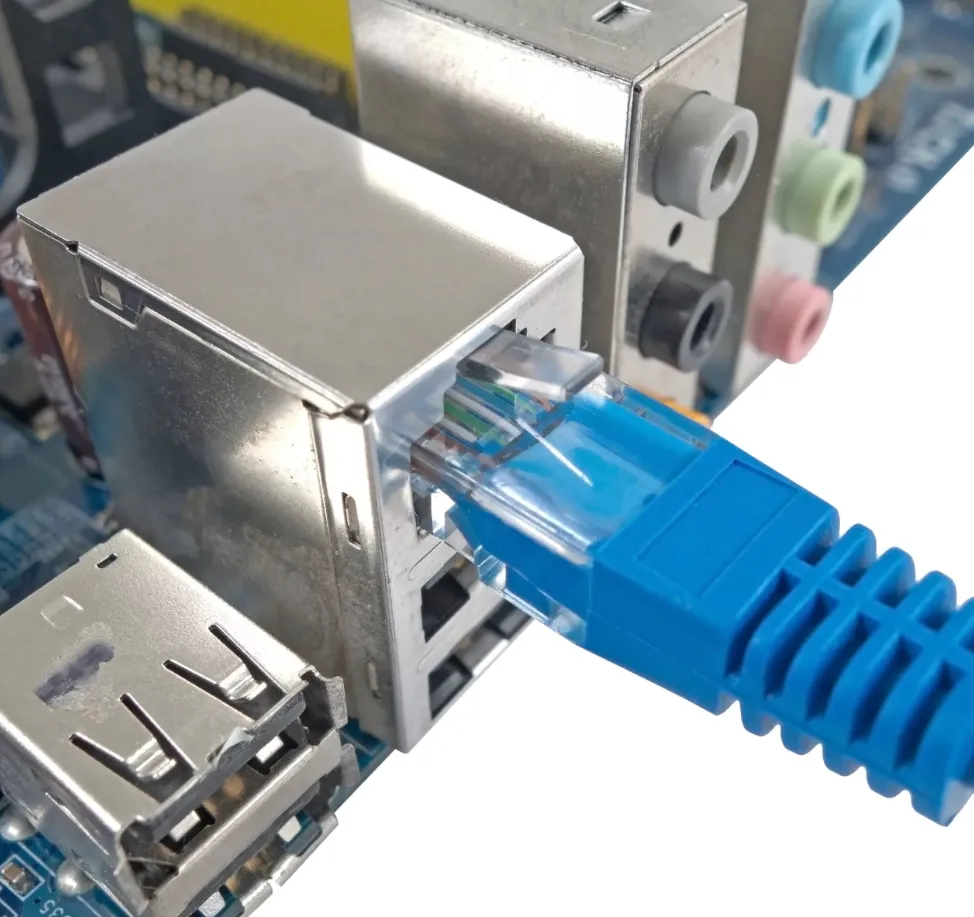
As our digital activities continue to expand—whether through streaming, cloud storage, gaming, or remote work—the demand for faster wired networking has increased. While Gigabit Ethernet has been the standard for years, many users now need more speed without the cost or complexity of jumping straight to 10 Gigabit Ethernet. This is where 2.5 Gigabit Ethernet comes in.
Below, we break down what 2.5G Ethernet is, how it works, and why it’s becoming such a popular choice for modern networks.
Understanding Ethernet in Simple Terms
Ethernet is the foundation of most wired networks, allowing computers, routers, servers, and other devices to exchange data through standardized protocols. For a long time, the most common wired speed has been 1 Gbps—Gigabit Ethernet. But as online services and applications grow more demanding, many networks need more bandwidth than 1 Gbps can deliver.
What Exactly Is 2.5 Gigabit Ethernet?
2.5 Gigabit Ethernet (2.5GbE) is a networking standard capable of reaching speeds up to 2.5 Gbps. It sits between traditional 1G Ethernet and higher-end options like 10G Ethernet, offering a noticeable boost in performance without requiring major hardware upgrades.
Its biggest advantage is its compatibility: 2.5GbE can typically run on the same Cat5e and Cat6 cables already installed in homes and offices.
How 2.5GbE Works
Functionally, 2.5GbE operates like any other Ethernet standard, moving data across wired connections. The difference is its ability to transmit more data per second using existing cabling. While 10GbE often calls for Cat6a or Cat7 cabling, 2.5GbE reaches higher speeds without those upgrades, making it a practical choice for cost-conscious users.
Why 2.5 Gigabit Ethernet Is Gaining Popularity
1. Faster Speeds for Today’s Demands
Jumping from 1 Gbps to 2.5 Gbps gives a noticeable performance lift. This is especially useful if you regularly:
- Stream 4K or 8K video
- Move large files over your network
- Use cloud-based apps
- Play online games where consistency matters
Businesses can also benefit from reduced bottlenecks when multiple users access shared servers or storage.
2. No Need to Replace Existing Cables
One of the biggest perks of 2.5GbE is its compatibility with widely used Ethernet cables. If your building already uses Cat5e or Cat6 cabling, you don’t have to replace it. This makes upgrading far easier—and more affordable—than switching to 10GbE.
3. Works Seamlessly with Multi-Gig Routers and Switches
Many new routers, gaming motherboards, and network switches now include 2.5GbE ports. When paired with a 2.5G-capable NAS or desktop, the speed difference compared with 1G networks is significant, especially in file transfers or server access.
4. A Smart Step Toward Future-Proofing
While few homes truly need 10 Gbps today, internet speeds and connected devices continue to grow. Upgrading to 2.5GbE provides breathing room for the future without unnecessary investment.
Where You’ll See 2.5GbE in Use
Home Networks
More devices and smarter homes mean more bandwidth demands. Faster wired speeds help reduce congestion and improve performance for streaming and gaming.
Small and Medium Businesses
Companies relying on video calls, cloud software, or shared storage can benefit greatly from higher throughput without stretching their budgets.
Gaming and Esports
Competitive gamers value consistency. Lower latency and faster communication with servers give 2.5GbE an edge over standard Gigabit Ethernet.
Network-Attached Storage (NAS)
Modern NAS devices often support 2.5GbE, dramatically speeding up backups, media streaming, and large file transfers.
How to Upgrade to 2.5 Gigabit Ethernet
- Check your hardware: Make sure your router, switch, or modem has 2.5G ports.
- Add a 2.5G network adapter: Many computers can be upgraded via PCIe cards or USB-to-Ethernet adapters.
- Use your existing cables: Cat5e and Cat6 cables are typically sufficient.
- Configure your settings: Some networks may need a quick setup change to prioritize multi-gig speeds.
In most cases, upgrading is straightforward and doesn’t require large-scale rewiring or complicated installations.
Final Thoughts
2.5 Gigabit Ethernet offers a practical middle ground between traditional Gigabit and the high cost of 10G networking. It delivers faster speeds, supports modern devices, and works with the wiring many households and businesses already have in place. Whether you’re looking to boost gaming performance, speed up file transfers, or prepare your home for the next generation of broadband, 2.5GbE is a smart, cost-effective upgrade.
