



Electrical switches may seem simple, but they play an essential part in every home and business. They control the flow of electricity, influence energy use, enhance safety and even contribute to the overall convenience of a space. As modern buildings continue to adopt smart technology and advanced electrical systems, understanding the different switch types and how they function becomes increasingly important.
What Exactly Is an Electrical Switch?
At its core, an electrical switch is a device that either allows current to flow through a circuit or stops it. This straightforward function is what enables us to turn lights, fans, appliances and countless other devices on and off. Switches are built into nearly every electrical system and act as the user-friendly control points for managing power.
How Electrical Switches Have Evolved
Switches have transformed significantly over time. Once limited to simple mechanical toggles, they now come in a wide range of designs—from smart Wi-Fi-enabled units to touch-sensitive panels. Today’s switches don’t just control electrical flow; they support automation, increase energy efficiency and contribute to interior aesthetics.
With so many options available, knowing which type of switch suits your needs is essential.
Switch Types by Configuration
Single Pole Switch
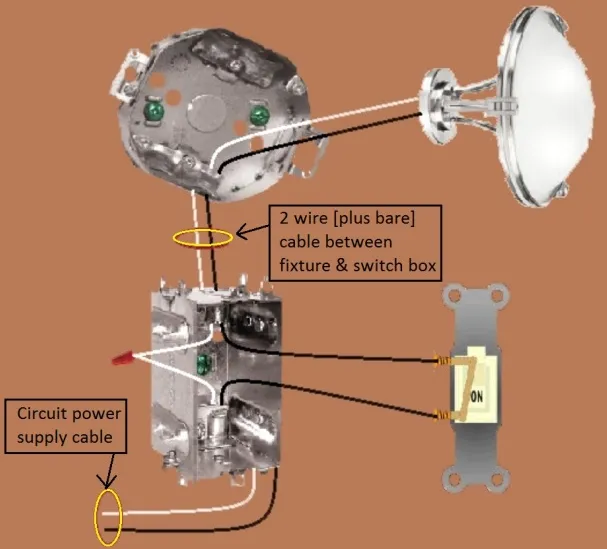
A single pole switch is the standard option found in most homes. It controls one circuit from a single location, making it suitable for rooms with a simple lighting setup.
- Two main terminals plus ground
- Used for everyday lighting and small appliances
- Offers basic ON/OFF control
Double Pole Switch
For appliances that draw more power, a double pole switch is required. It manages two live wires simultaneously and is typically installed on high-load equipment.
- Four terminals plus ground
- Suitable for 240-volt systems
- Commonly used for water heaters, ovens and air conditioners
Three-Way Switch
Three-way switches make it possible to operate the same light from two different locations. They are perfect for areas with multiple entry points.
- One common terminal and two traveller terminals
- Ideal for hallways, landings and large rooms
- Allows on/off control from either end
Four-Way Switch
When a light needs to be controlled from three or more locations, a four-way switch is used alongside two three-way switches.
- Four traveller terminals plus ground
- Used in open-plan spaces, long corridors and commercial environments
Switch Types by Function and Usage
Dimmer Switches
Dimmer switches adjust brightness levels and offer both mood control and energy savings. They come in rotary, slider and touch versions.
- Ideal for LED-compatible trailing edge dimmers
- Reduce glare and support comfortable lighting levels
Smart Switches
Smart switches connect to Wi-Fi and allow remote control via apps or voice assistants. They are a popular upgrade for modern homes.
- Features include scheduling, automation and voice control
- Integrates easily with other smart devices
“Do Not Disturb” Switch
Common in hotels and workplaces, these switches activate indicator lights to signal occupancy or the need for privacy.
- Useful for home offices or meeting rooms
- Offers clear, convenient communication
Occupancy Switches
These switches turn lights on automatically when motion is detected and off after a period of inactivity.
- Perfect for bathrooms, utility rooms and garages
- Helps reduce wasted energy
- Some models include daylight sensors for added efficiency
Bell Push Switch
A momentary-contact switch designed mainly for doorbells and alert systems.
- Simple, reliable and widely used at entry points
Other Specialised Switches
Timer switches: Activate or deactivate lights or devices based on a set schedule.
Time delay switches: Keep lights on for a short duration before switching off automatically.
Switches with built-in outlets: Save space and combine two functions in one unit.
Touchpad switches: Provide a modern, silent alternative to mechanical switches.
Choosing the Right Switch for Your Space
The best switch for a particular application depends on several factors:
- Location: Indoor, outdoor or high-traffic areas
- Load type: LED lighting, resistive loads or heavy-duty appliances
- Required function: Basic control, dimming, automation or timing
- Voltage: Standard or high-voltage needs
- Compliance: Safety ratings, grounding requirements and regulatory standards
A single pole switch may be suitable for general lighting, while heavy appliances require a double pole switch. Smart switches offer convenience and efficiency, whereas specialty switches provide added functionality for security or commercial needs.
Final Thoughts
Electrical switches do far more than turn lights on and off—they help manage energy, improve safety and enhance the usability of a space. By understanding the different types and their applications, you can choose the right switches to complement your home or business and ensure a system that is both safe and efficient.
