



If you’ve ever wondered why your marketing efforts aren’t delivering the results you expect, the issue may not be the message itself—but who you’re sending it to. Broad, generic campaigns often land flat because they overlook one crucial truth: your customers don’t all think, shop, or spend the same way.
That’s where customer segmentation becomes a game-changer. By dividing your shoppers into meaningful groups, you can tailor your marketing, refine your inventory, and create buying experiences that feel personal instead of generic. Even better, your point of sale system already holds most of the data you need to get started.
What Retail Customer Segmentation Really Means
Retail customer segmentation is the process of organizing your customer base into groups based on shared characteristics or behaviors. This is important because two shoppers who spend the same amount each year might have completely different motivations, habits, and long-term value to your business.
One customer may buy regularly at full price, engage with your loyalty program, and explore multiple product categories. Another may only shop during sales and stick to one section. Treating them exactly the same wastes marketing dollars and misses opportunities to increase engagement and profit.
Segmentation helps you understand these differences so you can send the right message to the right person at the right time.
Three Core Segmentation Approaches
Every retailer can benefit from using a combination of the following segmentation types:
Behavioral Segmentation
This approach focuses on how customers shop—what they buy, how often they shop, their average spend, and their buying patterns. It’s especially useful for spotting your most loyal customers and identifying trends in category preferences.
Demographic Segmentation
Here, you look at factors like age, income, and location. These details influence everything from preferred price points to shopping channels. For example, younger shoppers may favor mobile payments and delivery, while others might value in-store assistance.
Psychographic Segmentation
This digs into motivations, interests, and values. Unlike simple demographics, psychographics help explain why someone buys. Eco-conscious shoppers, convenience-driven buyers, and trend-seekers all have different priorities—even when they live in the same neighborhood.
How Your POS System Supports Segmentation
Your point of sale system is more than a payment terminal—it’s a powerful data engine.
Data Collection
Each purchase helps build a clearer picture of customer habits. Over time, your POS can identify patterns such as preferred brands, typical shopping times, or the categories each customer gravitates toward.
Analytics
With built-in reporting, your POS can show how different customer groups respond to promotions, which segments deliver the highest margins, and where you have opportunities to increase engagement. These insights also help you manage inventory more strategically by stocking products your best customers actually want.
Real-World Examples of Segmentation
Different retailers use segmentation in different ways. Here are a few examples of how it plays out in practice:
Grocery Stores
Segments may include:
- Health-focused shoppers looking for organic and specialty items
- Families who prioritize value and weekly essentials
- Busy customers who grab prepared meals and snacks
Each group responds best to different promotions and product recommendations.
Liquor Stores
Common segments include:
- Wine enthusiasts
- Occasional buyers looking for premium spirits
- Cost-conscious customers stocking up for parties
Targeted messages help ensure each group receives offers relevant to their shopping style.
Tobacco and Vape Shops
Customer types often include:
- High-end cigar buyers
- Loyal cigarette customers
- Trend-driven vape users
Segmentation helps avoid sending irrelevant promotions and improves marketing efficiency.
How to Begin Segmenting Your Customers
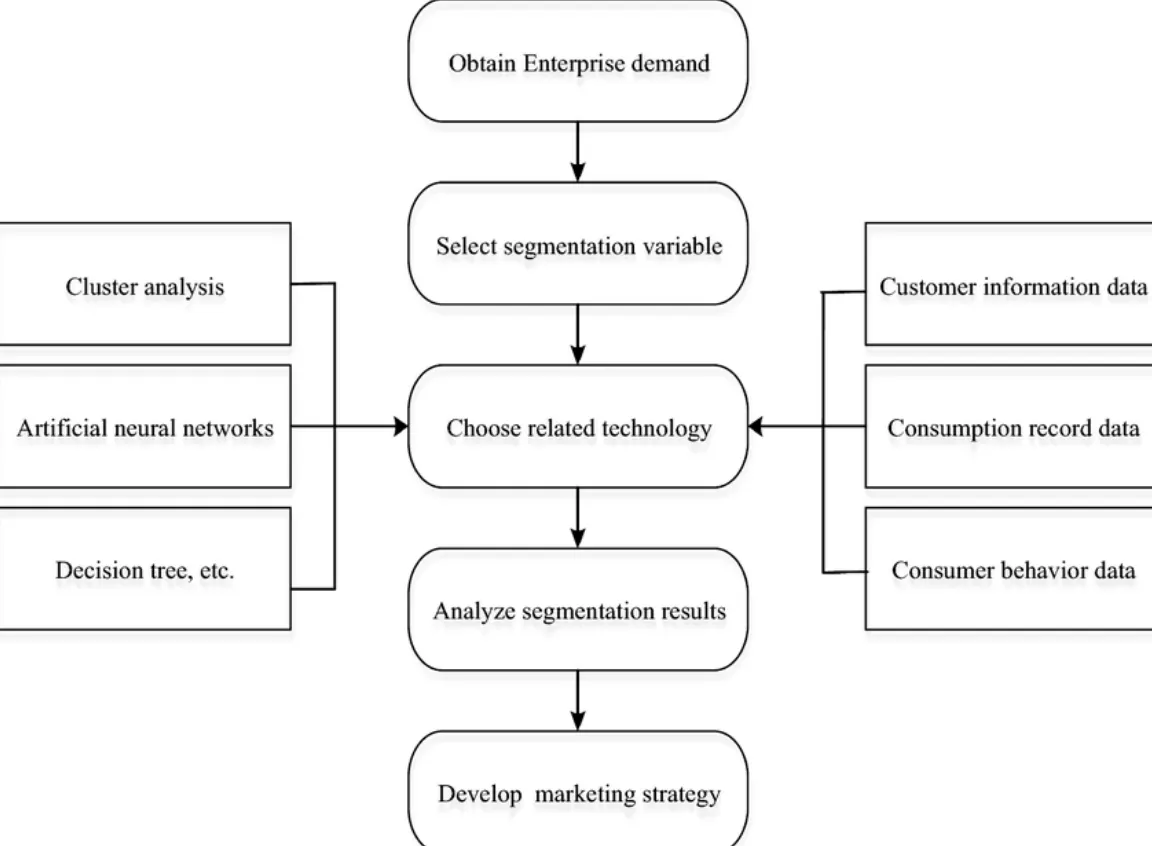
You don’t need an advanced marketing department to get started. Follow these steps:
1. Review the Data You Already Have
Your POS tracks spending, visit frequency, and product preferences. Begin by identifying your top spenders and your most active customers.
2. Create a Few Simple Segments
Start with manageable groups such as:
- VIP customers
- Regular shoppers
- Occasional visitors
- First-time customers
These broad categories make it easier to launch targeted campaigns.
3. Automate Customer Tracking
Set up your POS to automatically assign customers to segments as buying patterns emerge. This reduces manual work and ensures consistent categorization.
4. Launch Focused Marketing Campaigns
Once your segments are in place, send each group a message tailored to their behavior. VIP customers might receive early access to sales, while new shoppers could get a welcome discount.
As campaigns roll out, monitor your results and adjust based on what resonates.
Making Segmentation Work for Your Business
Customer segmentation helps retailers spend smarter, stock smarter, and communicate smarter. It’s a practical approach that turns raw sales data into meaningful insights you can use every day.
Start small by working with the data you already collect through your POS system. As you gain confidence, refine your segments and build more personalized strategies. With the right tools supporting your efforts, segmentation becomes an easy way to strengthen customer relationships and improve your bottom line.
