



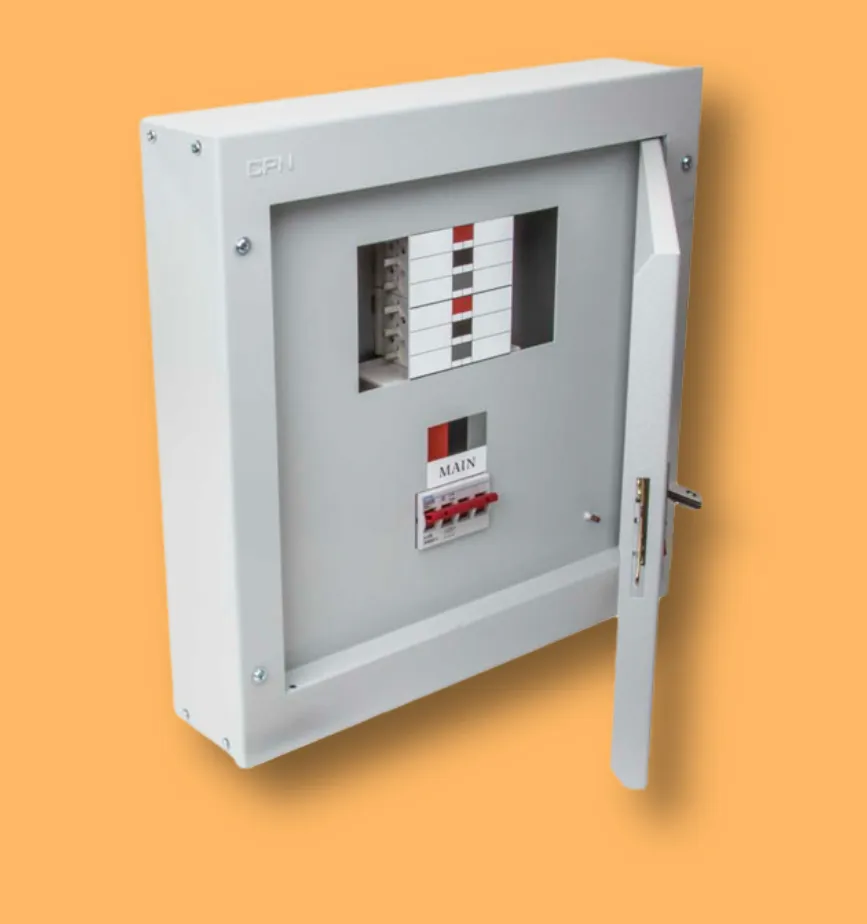
A dependable electrical distribution system rarely gets attention, yet it keeps a building running smoothly day after day. In this post, we’ll walk through the essentials of TP&N distribution boards, explore their key components, and break down what to consider when selecting or wiring one for your project. Whether you’re outfitting a small commercial space or a large industrial facility, understanding these systems makes specifying much easier.
What Is a Distribution Board?
A distribution board is the central point where incoming electrical power is divided into separate circuits. Often referred to as a consumer unit, it ensures each area of a building receives the correct supply while allowing individual circuits to be isolated when needed. This setup supports safe maintenance practices and helps protect the system during abnormal conditions such as overloads or faults.
Different Types of Distribution Boards
The right distribution board varies depending on the building’s size, layout, and electrical load. Here are the main categories used in modern installations:
Consumer Units
Commonly found in homes and small commercial properties, consumer units incorporate main switches and RCBOs to protect each circuit. Their job is to guard against short circuits, overloads, and other electrical issues that could compromise safety.
Dual RCD Consumer Units
These boards include two RCDs for an additional layer of protection. They are well suited for residences and office spaces where reducing the risk of accidental contact or electrical fire is especially important.
High-Integrity Consumer Units
Designed for larger or more complex systems, high-integrity units combine multiple RCDs with additional RCBO arrangements. Their flexible configuration allows circuits to be strategically separated to minimise nuisance tripping and provide better overall discrimination.
Three-Phase Distribution Boards
When a building requires higher power capacity—such as warehouses, factory floors, or certain commercial units—a three-phase distribution board is often the best fit. These boards can support up to 24 outgoing circuits and are built to manage significantly heavier loads than single-phase units. Many include TP&N isolators and enclosed busbars to streamline installation and improve safety.
Understanding TP&N Distribution Boards
TP&N (Three-Phase and Neutral) distribution boards function much like single-phase boards but are engineered for environments where three-phase power is essential. They divide the supply into multiple outgoing circuits while providing reliable protection for each one. The neutral bar allows single-phase circuits to run from a three-phase source, keeping the internal layout organised—an advantage when systems serve essential or high-priority equipment.
Key Components of a Three-Phase Distribution Board
Main Switch
Controls the total power entering the installation and provides a means to disconnect the entire board.
Miniature Circuit Breakers (MCBs)
These automatically interrupt circuits when they detect overloads or short circuits, helping prevent damage and electrical hazards.
RCBOs
Combining the functions of an RCD and an MCB, RCBOs offer individual-circuit protection against earth faults and overcurrent conditions.
Isolators
Manually operated switches used to safely disconnect parts of the system for inspection, testing, or maintenance.
Busbars
Metallic strips that distribute power evenly across the board. In enclosed form, they help prevent accidental contact and keep the system neat.
How to Choose the Right TP&N Distribution Board
Selecting the right board begins with understanding the electrical load and the environment in which the system will operate. Elements such as load capacity, compliance with industry standards, and installation conveniences all play a role.
A well-designed TP&N board should offer:
- Compliance with accepted standards such as BS EN 61439-3
- A durable, modern enclosure suitable for industrial or commercial settings
- Adequate loading capacity for heavy-use environments
- Practical features like removable gland plates, labelled terminals, and enclosed busbars
- Flexibility for internal or external installation, depending on project needs
Considering power demand, environmental conditions, and the need for clear circuit separation helps ensure the installation remains reliable for years to come.
Wiring a Three-Phase Distribution Board
Wiring a three-phase board calls for thoughtful planning and a methodical approach. The process involves connecting the incoming supply, installing protective devices, and routing sub-circuits safely and cleanly.
Main steps include:
- Safety Preparation
Confirm that the power supply is fully isolated. Review load requirements, ambient conditions, and any future expansion needs. - Mounting the Board
Fix the board securely with appropriate clearance for inspection and maintenance. - Connecting the Incoming Supply
Terminate L1, L2, L3, and Neutral at the main switch or incomer. Ensure connections meet torque specifications. - Installing Protective Devices
Fit MCBs, RCDs, or RCBOs according to the circuit schedule, giving priority circuits their own RCBO where selective protection is beneficial. - Routing Sub-Circuits
Dress cables neatly, verify conductor sizes, and label all terminations clearly to maintain a tidy and traceable layout. - Testing and Verification
Complete all required electrical tests—including continuity, insulation resistance, polarity, and RCD performance—before energising the system.
Why Three-Phase Power Matters
Three-phase power becomes indispensable in settings where equipment demands more energy than a single-phase supply can deliver. It provides smoother operation for large motors, reduces voltage drop, and distributes power more efficiently across heavy loads. For industrial facilities or commercial buildings with energy-intensive systems, three-phase distribution is often the most practical and reliable solution.
Conclusion
A well-chosen and properly wired TP&N distribution board supports both safety and efficiency in any installation that requires significant electrical capacity. By understanding the functions of each component, recognising the differences between board types, and following sound wiring practices, you can create a system that performs reliably and meets the demands of modern electrical infrastructure.
