



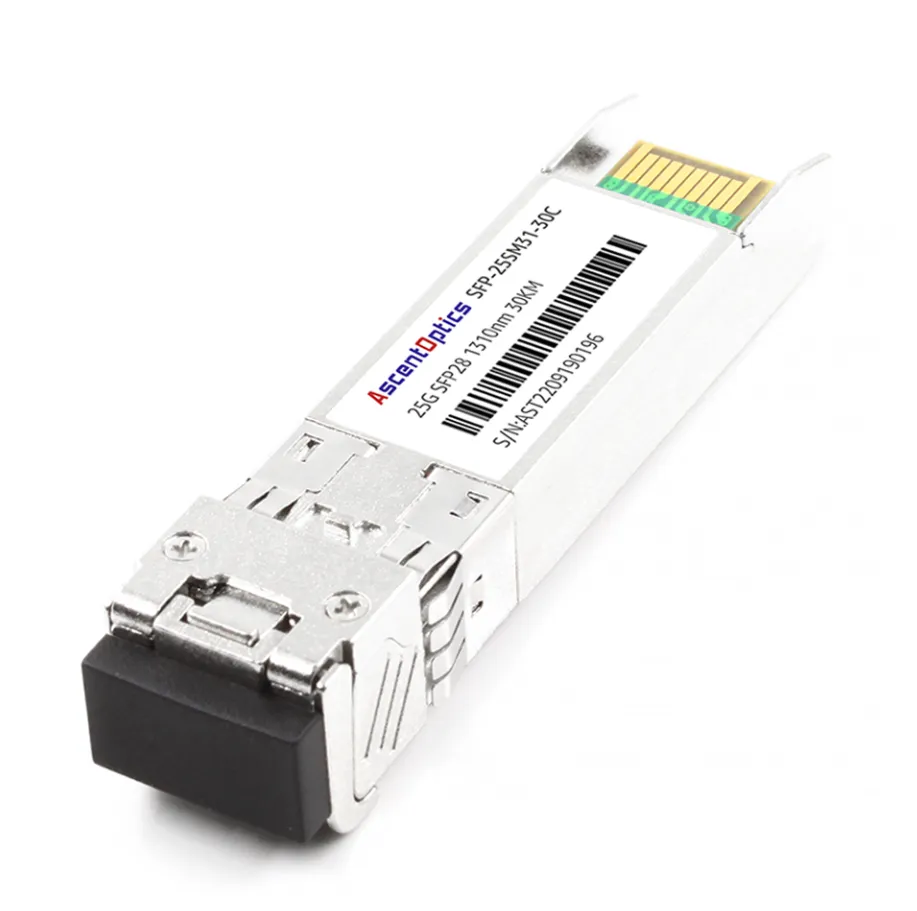
As industries embrace automation, smart systems, and high-speed communication, the need for reliable data transmission grows rapidly. In environments where harsh conditions are the norm, standard networking equipment isn’t enough. This is where industrial fiber optic transceivers make a difference. Built to deliver stable performance in extreme settings, these devices are essential components in modern industrial networks.
This guide explores what industrial fiber optic transceivers are, how they function, the various types available, and why they are so widely used across critical sectors.
What Is an Industrial Fiber Optic Transceiver?
An industrial fiber optic transceiver is a module that converts electrical signals into optical signals for transmission over fiber optic cables, then converts them back into electrical signals at the other end. What sets industrial-grade transceivers apart is their rugged design—engineered to withstand extreme temperatures, humidity, vibration, and electromagnetic noise.
How Do These Transceivers Work?
Each transceiver includes:
- A transmitter, which uses an LED or laser source to convert electrical input into light
- Fiber optic cabling, which carries that light across long distances with minimal loss
- A receiver, which captures the optical signal and converts it back into electrical form
Because fiber communication uses light instead of electricity, it avoids electromagnetic interference and supports exceptionally high data speeds.
Types of Industrial Fiber Optic Transceivers
Industrial transceivers come in several variations depending on size, data rate, and fiber compatibility.
1. By Form Factor
- SFP: Compact, hot-swappable modules used widely across industrial networks
- SFP+: Enhanced versions supporting data rates up to 10 Gbps
- QSFP: Designed for high-bandwidth applications such as data centers or automation systems
- XFP: Used primarily in telecom environments for 10 Gigabit links
2. By Data Speed
- Fast Ethernet (100 Mbps): Suitable for legacy or lower-speed applications
- Gigabit Ethernet (1 Gbps): Common in factories and automation systems
- 10G/40G/100G transceivers: Ideal for advanced networks demanding high throughput
3. By Fiber Type
- Single-mode: Best for long-range communication—up to 100 km or more
- Multimode: Designed for short distances, typically under 2 km
Key Features of Industrial Transceivers
Industrial fiber optic transceivers stand out because they are built to survive demanding conditions. Typical features include:
- Wide temperature support (-40°C to +85°C)
- Durable housings resistant to shock and vibration
- Low power usage for energy-efficient operation
- Simple installation with plug-and-play design
- Optional redundant power inputs for critical systems
Where Industrial Fiber Optic Transceivers Are Used
These transceivers are present in many industries that depend on robust networking:
Manufacturing and Automation
- Fast communication between controllers, robots, and sensors
- Real-time data exchanges with minimal delay
Transportation and Rail Networks
- Reliable connectivity for signaling, monitoring, and control
- Essential for modern intelligent transportation systems
Oil and Gas
- High-performance links in remote or hazardous zones
- Used in pipeline monitoring and drilling operations
Smart City Infrastructure
- Supports communication for traffic management, surveillance, and utilities
- Enables seamless integration of IoT systems
Telecommunications
- Ideal for metro and long-haul fiber networks
- Reduced signal loss over extended distances
Benefits of Industrial Fiber Optic Transceivers
Switching from copper to fiber-based communication offers significant advantages:
- High-speed links suitable for real-time operations
- Excellent security, as fiber is difficult to tap
- Long-distance transmission without significant signal degradation
- Lower latency, enabling quicker decision-making
- Energy-efficient design compared to traditional communication methods
Choosing the Right Transceiver
When selecting an industrial fiber optic transceiver, consider:
- Environmental conditions such as temperature, dust, and vibration
- Bandwidth requirements based on your application
- Fiber type (single-mode for long distance, multimode for shorter links)
- Required distance for signal transmission
- Compatibility with existing switches, routers, and equipment
Future Trends in Industrial Fiber Optics
As technology evolves, transceivers are advancing as well. Emerging trends include:
- Support for 5G backhaul and next-generation wireless systems
- AI-enhanced diagnostics for improved reliability and predictive maintenance
- Integration with edge computing deployments in industrial settings
- Development of eco-friendly, energy-efficient components
Final Thoughts
Industrial fiber optic transceivers are a cornerstone of modern industrial communication. Their durability, speed, and long-distance capabilities make them essential for sectors where uninterrupted data flow is critical. As industries continue to move toward automation, smart infrastructure, and high-speed networks, the role of these transceivers will only grow.
Choosing the right transceiver ensures dependable performance, reduced downtime, and a network infrastructure built for the future—whether you’re powering a factory floor, managing a transportation system, or developing smart city solutions.
