



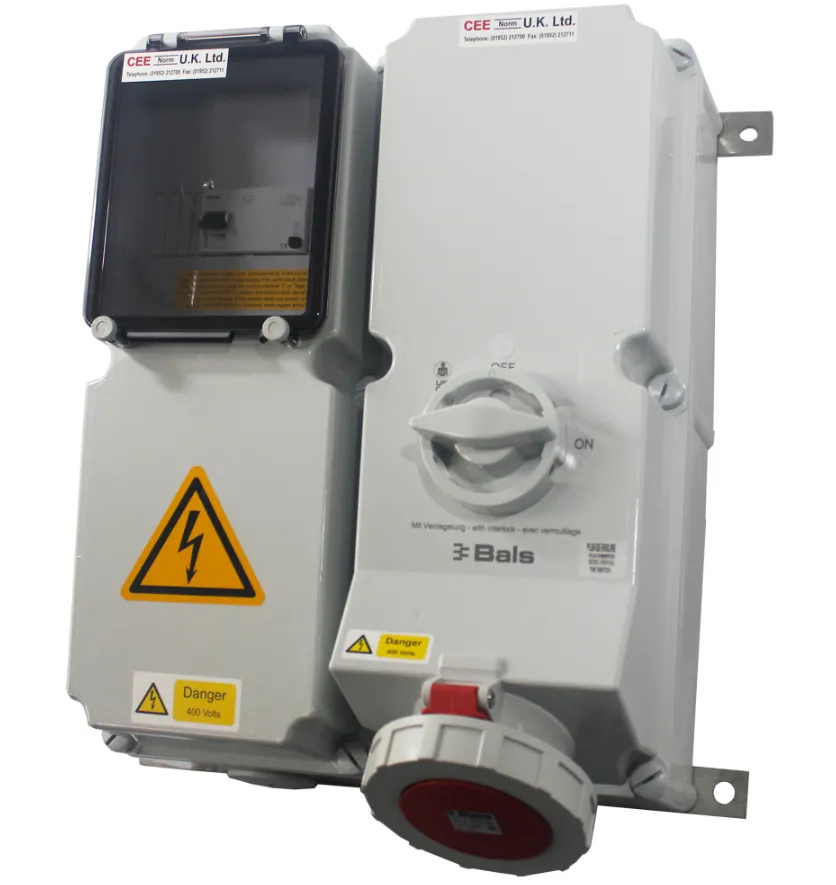
Selecting the right industrial socket can feel overwhelming, especially when different voltage ratings come into play. Whether you’re outfitting a workshop or designing a large-scale industrial system, the voltage you choose affects everything from safety to performance. Understanding how 100V and 400V sockets differ will help you make a confident, well-informed decision.
Why Voltage Matters in Industrial Power Connections
Voltage represents the force driving electrical current through a circuit. Industrial sockets are built to handle tougher demands than standard household plugs, and choosing the correct voltage ensures your equipment receives the right amount of power.
In general, industrial sockets fall into two voltage categories:
- 100V–130V (Low Voltage): Ideal for smaller tools, portable equipment or environments where safety is the top priority.
- 400V (High Voltage): Designed for machines that require substantial power, common in manufacturing and heavy-duty operations.
Your project’s scale, environment and equipment requirements will guide you toward one of these options.
When a 100V Industrial Socket Makes Sense
Low-voltage sockets are commonly found in settings where mobility and safety are essential. They deliver enough power for light-to-medium equipment without introducing unnecessary risk.
Why 100V Sockets Work Well in Certain Situations
- Enhanced safety: Reduced voltage means reduced shock risk, which is especially valuable outdoors or in damp environments.
- Easy to move: Often paired with portable machinery or temporary setups.
- Good environmental protection: Many models are available with ratings that keep water and dust out, which is helpful on construction sites or in agricultural settings.
Where 100V Sockets Are Most Useful
- Construction sites needing safe power for short-term tasks
- Farms powering pumps, small motors or lighting
- Workshops that operate equipment with modest energy demands
Just keep in mind that low voltage isn’t suited to heavy machinery—pushing a 100V socket too far can lead to premature wear or equipment strain.
Why 400V Industrial Sockets Are Built for Heavy-Duty Use
When the job calls for consistent, high-power performance, 400V sockets are the go-to choice. They’re engineered to support industrial-grade machinery that operates for long periods and requires stable power.
What Sets 400V Sockets Apart
- High power capacity: They can supply large motors or multi-phase equipment without struggling.
- Durable construction: Built with robust materials that withstand harsh industrial conditions.
- Added safety features: Many come with interlocks that prevent accidental disconnection under load.
Where 400V Sockets Deliver the Best Results
- Manufacturing equipment that runs continuously
- Factory floors with fixed installations
- Industrial areas requiring stable, high-output performance
Because of the higher voltage, careful handling and proper installation are crucial.
A Quick Comparison: 100V vs. 400V
Here’s a simple overview to help you weigh the two options:
Power capability
- 100V: Suitable for tools, lighting and equipment with lower current requirements
- 400V: Capable of powering large machines and heavy installations
Safety
- 100V: Lower shock risk, ideal for outdoor and temporary work
- 400V: Requires strong insulation and secure locking systems to ensure safe operation
Typical environments
- 100V: Lighter-duty settings or mobile use
- 400V: Industrial spaces with long-term power needs
Installation complexity
- 100V: Generally straightforward
- 400V: May require more advanced wiring knowledge and proper protective devices
What to Consider When Picking a Socket
Voltage is only one part of the decision. Before choosing a socket, consider:
- Your equipment’s power requirements
- The environment—wet, dusty or controlled
- Whether you need added safety features such as interlocks
- Compliance with recognised industry standards
- The level of technical expertise required for installation
Matching the socket to the equipment ensures efficient operation and protects both users and machinery.
Why Getting the Voltage Right Matters
Choosing the wrong voltage can cause costly damage or pose safety risks. Using 100V on equipment designed for 400V will leave the machine underpowered, while supplying high voltage to low-voltage tools can destroy circuits instantly. Getting the right match ensures smooth operation and reduces the chance of system failures.
Modern Trends in Industrial Socket Design
Industrial power solutions continue to evolve, and newer socket designs often include:
- Better energy efficiency
- Stronger, more impact-resistant casings
- Optional smart features that help monitor energy use
These improvements offer greater reliability and help extend the life of connected equipment.
Final Thoughts
If your work involves lighter, temporary or highly mobile applications, a 100V socket is often the safest and most practical choice. For demanding, long-term or high-power operations, 400V sockets are the more suitable option. When in doubt, consult a qualified electrician to ensure your setup meets both safety standards and the specific needs of your project.
