



Lighting influences everything from aesthetics to functionality in homes, commercial buildings, and industrial settings. As technology evolves, two lighting options continue to draw attention: LED lighting and fiber optic lighting. Each offers its own set of strengths, along with limitations that determine where they are best suited. This guide takes a closer look at both technologies to help you decide which option aligns with your project needs.
What Is LED Lighting?
LED lighting is based on light-emitting diodes that generate illumination when electrical current passes through a semiconductor. Widely used across residential, commercial, and industrial spaces, LEDs are known for high efficiency, long lifespan, and compact size.
What Is Fiber Optic Lighting?
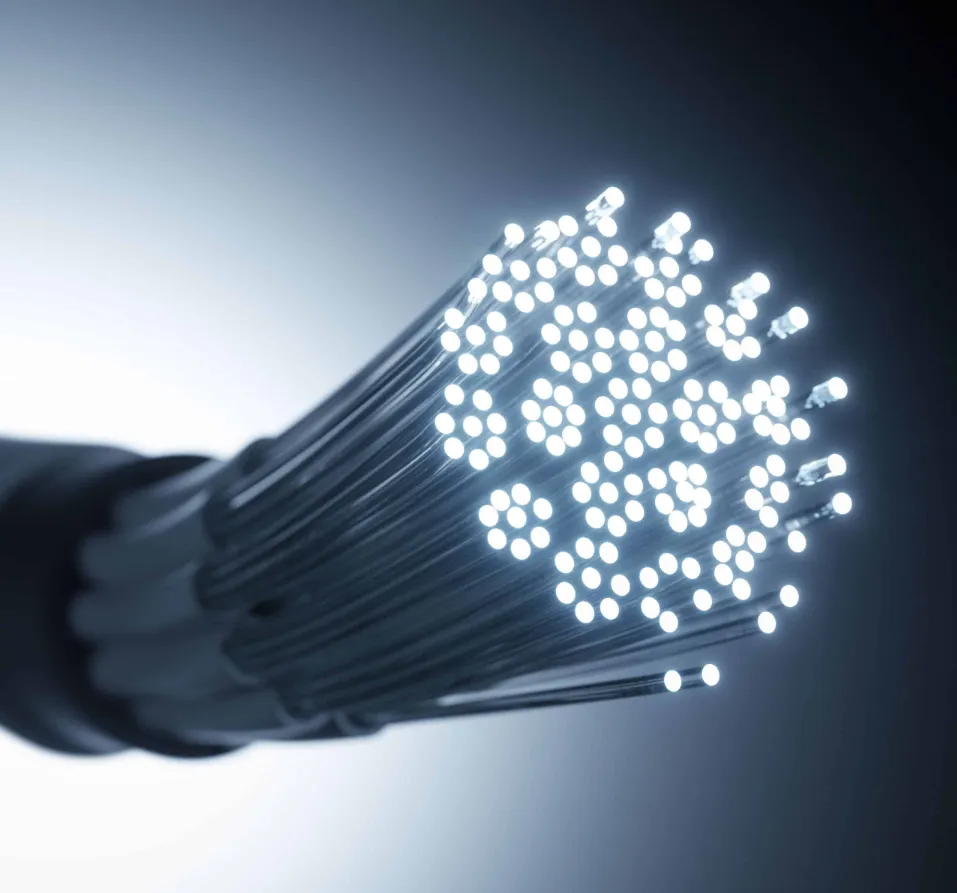
Fiber optic lighting relies on optical fibers that carry light from a separate illuminator to the point of display. The fiber itself does not create light; it simply transports it. This means no heat or electrical current is present at the illuminated end, making it uniquely safe for sensitive environments.
Advantages of LED Lighting
1. Exceptional Energy Efficiency
LEDs consume dramatically less power than older lighting technologies, making them ideal for energy-conscious applications such as office buildings, public infrastructure, and residential spaces.
2. Long Operating Life
A well-made LED can function for tens of thousands of hours, significantly reducing maintenance and replacement time.
3. Highly Versatile
Available in numerous shapes, colors, and brightness levels, LEDs work well for task lighting, ambient lighting, and decorative effects. They can also be dimmed in compatible systems.
4. Minimal Heat Output
LEDs stay cool compared to incandescent bulbs, improving safety and reducing the load on cooling systems.
5. Environmentally Responsible
LEDs contain no hazardous elements and generate less waste over time due to their long life.
6. Immediate Full Brightness
LEDs switch on at full output instantly, an advantage in motion-sensitive or frequently used areas.
Drawbacks of LED Lighting
1. Higher Upfront Cost
LEDs are more expensive to purchase initially, although long-term savings often offset this.
2. Heat Sensitivity
High temperatures can affect LED performance, sometimes requiring added heat management.
3. Directional Light Output
Most LEDs project light in one direction, which may require diffusers when broader illumination is needed.
4. Compatibility Concerns
Older dimmers or transformers may not work properly with LED systems without upgrades.
Advantages of Fiber Optic Lighting
1. No Electrical Risk at the Light Source
Because the light generator is remote, no electricity reaches the illuminated endpoint—ideal for damp, explosive, or controlled environments.
2. Safe in Sensitive or Hazardous Locations
Fiber optic lighting is useful in pools, saunas, hospitals, museums, and other settings where heat or UV emissions would be problematic.
3. Excellent for Creative Designs
The flexibility of optical fibers makes them perfect for dramatic lighting effects including star ceilings, accent trails, and immersive décor.
4. Low Maintenance
Only the central illuminator may require occasional servicing; the fibers themselves are extremely durable.
5. Zero Heat at the Fixture
This safeguards delicate items such as artwork, documents, or fabrics.
Drawbacks of Fiber Optic Lighting
1. Higher Installation Costs
Fiber optic systems require specialized equipment and precise installation, increasing upfront investment.
2. Limited Brightness
They are best used for decorative or accent lighting rather than general illumination.
3. Skilled Installation Required
Proper setup demands trained installers, which can contribute to longer lead times and added labor costs.
4. Narrower Color Range
While RGB illuminators can enhance flexibility, fiber optic systems often offer less vibrant color reproduction compared to LEDs.
Ideal Applications for Each Lighting Type
Best Uses for LED Lighting
- Residential rooms and kitchens
- Offices, stores, and public buildings
- Outdoor pathways and landscape lighting
- Automotive lighting and display signs
Best Uses for Fiber Optic Lighting
- Starfield ceilings in spas or home theaters
- Underwater lighting in pools and aquariums
- Exhibits in museums or galleries
- Clean rooms and surgical environments
- Decorative lighting in hotels and entertainment spaces
Final Thoughts
LED and fiber optic lighting both deliver distinct advantages, but their strengths shine in different contexts. LEDs offer power efficiency, longevity, and broad versatility, making them a go-to solution for most general lighting needs. Fiber optic systems excel where safety, design creativity, or delicate environmental conditions require a cool, remote light source. Understanding the benefits and limitations of each option ensures you choose the most effective and sustainable lighting solution for your project.
