



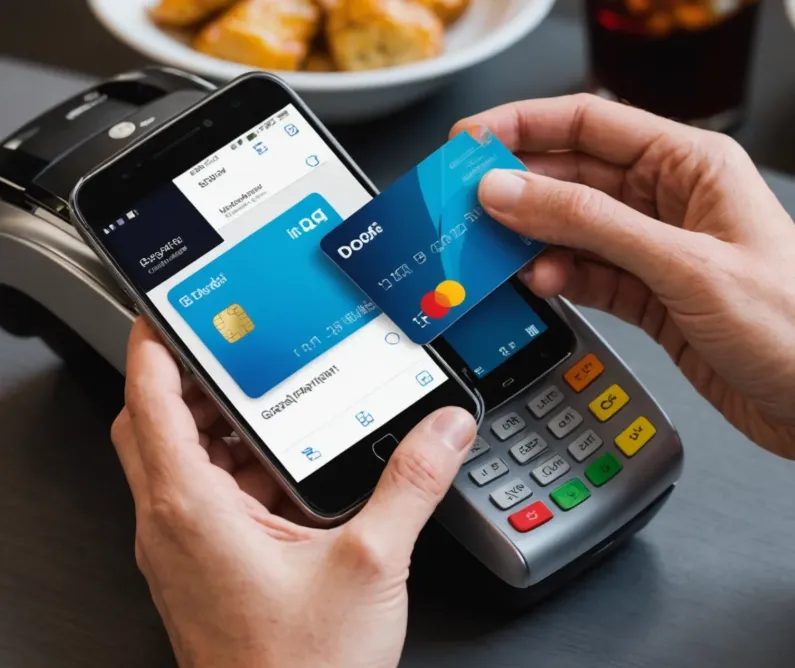
Picture your checkout line during a weekend rush — customers shifting impatiently as transactions crawl along. Every extra minute in line is a missed opportunity for sales and a potential hit to customer satisfaction. That’s where contactless payments come in. They offer a faster, more secure, and more convenient way to pay — and they’re quickly becoming the standard in retail.
Here’s what you need to know about how contactless payments work, why they matter, and how the right system can transform your checkout process from a pain point into a profit driver.
What Exactly Is Contactless Payment?
Contactless payment lets customers complete a transaction by simply tapping or hovering their card, smartphone, or smartwatch over a payment terminal. Using near-field communication (NFC) or radio frequency identification (RFID), the system transfers encrypted payment data between devices in seconds.
While the technology has existed for years, its adoption surged after 2020 as shoppers began prioritizing speed and hygiene at checkout. Today, more than half of U.S. adults prefer a contactless option — a number that continues to grow.
Common contactless payment methods include:
- Tap-enabled credit or debit cards
- Mobile wallets like Apple Pay and Google Pay
- Wearable devices such as smartwatches and fitness trackers
The result? Transactions that take seconds instead of minutes — keeping lines moving and customers happy.
Why Slow Checkout Is Hurting Your Bottom Line
A sluggish checkout isn’t just inconvenient; it’s expensive. Long lines discourage impulse purchases, frustrate shoppers, and can send them straight to your competitors.
Stores that rely heavily on cash or outdated terminals lose valuable time counting, securing, and depositing money — not to mention the risk of theft and human error. Every minute spent managing cash is time that could be spent serving customers.
Worse still, slow lines damage your brand’s reputation. Many retailers find that negative reviews mention long waits more than product complaints. A faster, smoother checkout experience can make a lasting difference in customer loyalty.
How Contactless Payments Streamline the Checkout Process
Switching to contactless payments immediately speeds up transactions — typically two to three times faster than chip or cash payments. That time savings adds up quickly.
If you process 200 transactions per day and each one takes just 30 seconds less, that’s nearly three and a half hours saved daily. With shorter lines, employees can focus on customer service instead of managing bottlenecks.
Contactless systems also reduce manual errors and end-of-day reconciliation time. Payments are processed automatically, receipts are logged digitally, and staff no longer need to handle PIN entries or signatures. Fewer steps mean faster service and more accurate records.
Built-In Security Advantages
Some business owners worry that faster payments might mean weaker security — but contactless technology is actually safer than traditional swipe methods. Each transaction generates a unique, encrypted code that can’t be reused or duplicated, making data theft nearly impossible.
Other security layers include:
- Biometric authentication (fingerprint or facial recognition) for mobile wallets
- Zero-liability policies that protect both the merchant and the customer
- Reduced exposure to cardholder data, simplifying compliance with PCI DSS standards
In short, contactless payments protect your business while keeping customers’ information secure.
How Contactless Payments Benefit Different Retailers
Not every retailer operates the same way, but all can benefit from faster, safer transactions:
- High-Volume Retailers: Convenience stores and quick-service locations can process 30–40% more customers during rush hours with contactless options, cutting down on lines and labor costs.
- Liquor and Tobacco Stores: Integrating age verification with contactless systems ensures compliance without slowing the checkout process.
- Food Retailers: For grocery stores, butcher shops, or specialty markets, speed is crucial when customers are buying multiple items. A contactless POS keeps transactions moving while syncing with loyalty programs and weight-based pricing.
- Multi-Location Businesses: Contactless systems allow centralized control across branches — from remote inventory tracking to performance comparisons — ensuring consistency and efficiency.
Choosing the Right POS System for Contactless Payments
Not all POS systems are created equal. When selecting one, look for features that match your business operations:
- NFC-enabled terminals compatible with all major mobile wallets
- Sturdy hardware designed for constant use
- Real-time inventory tracking
- Built-in compliance tools, such as ID verification for age-restricted products
- Integrated loyalty and rewards programs
- Transparent pricing with responsive customer support
The best systems combine convenience, compliance, and connectivity, giving you a single platform to manage transactions and performance across locations.
The Bottom Line
Contactless payments aren’t just a trend — they’re the new standard for speed, security, and customer satisfaction. By upgrading your POS system to support tap-and-go technology, you’ll streamline operations, strengthen your brand, and turn checkout time into an advantage rather than an obstacle.
