



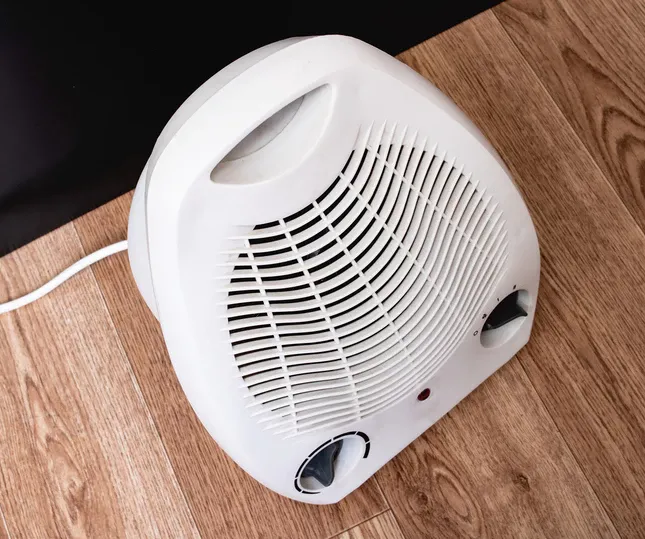
Deciding how to heat your home has never been more important. With rising energy prices, updated efficiency standards, and renewed focus on sustainability, many households are rethinking whether gas or electric heating is truly the better long-term choice. As electric systems continue advancing—particularly smart radiators and modern oil-filled units—they’re becoming increasingly appealing to homeowners looking for comfort, efficiency, and future-proof technology.
This guide breaks down the advantages and drawbacks of both gas and electric heating, explains where each system excels, and highlights the smart features that are reshaping home heating in 2025.
Why Efficient Heating Matters More Than Ever
Heating still represents the largest portion of household energy consumption in the UK and is a major source of carbon emissions. With national commitments to lower emissions and ongoing shifts in energy policy, efficiency is no longer simply a “nice to have”—it’s a key factor in choosing a heating system.
Electric heating has become especially attractive because it produces no emissions at the point of use and can be powered by renewable electricity. When paired with smart controls and zonal heating, it offers precise temperature management while reducing waste throughout the home.
Electric Heating Systems: Efficient, Modern, and Easy to Control
Electric heating has come a long way from basic plug-in heaters. Today’s systems are efficient, quick to heat, and designed for modern living. Some of the most popular options include:
Electric Radiators
Wall-mounted radiators that warm rooms evenly and quietly. They’re simple to install and pair well with smart thermostats.
Storage Heaters
These charge up overnight on cheaper tariffs and release heat throughout the day—ideal for homes with off-peak electricity rates.
Heat Pumps
Air-source heat pumps extract warmth from outside air and can deliver several units of heat for every unit of electricity used. This makes them one of the most efficient forms of home heating available.
Electric Underfloor Heating
Thin heating mats or cables beneath the floor provide gentle, even heat—particularly suited to bathrooms, kitchens, and modern open-plan spaces.
Oil-Filled Electric Radiators
A favourite for steady, silent heating. They retain warmth long after switching off and are ideal for bedrooms, lounges, or any space where consistent heat is preferred.
Gas Heating Systems: Familiar but Falling Out of Favour
Gas has traditionally been the UK’s most common heating fuel due to low running costs and broad availability. Gas boilers heat water that circulates through radiators and often provide domestic hot water as well.
However, gas heating comes with several limitations:
- It produces carbon emissions.
- Boilers require annual servicing and can pose safety risks.
- Long-term policy changes are phasing out gas in new builds.
While gas remains cost-effective from a running-cost perspective, it’s no longer aligned with long-term sustainability goals.
Radiant Heating: A Comfortable, Low-Temperature Option
Underfloor heating—especially electric systems—has gained traction for its comfort and superior heat distribution. Radiant warmth keeps temperatures consistent from floor to ceiling, reducing drafts and cold spots. Though installation can be more expensive, the efficiency and comfort benefits are significant, particularly in well-insulated homes.
Electric vs Gas Heating: Pros and Cons
To make the right decision, it helps to compare both systems side by side.
Advantages of Electric Heating
- No on-site emissions, improving indoor air quality
- Low maintenance with no annual servicing required
- Easy installation without pipework or flues
- Works seamlessly with smart home systems
- Zonal heating reduces unnecessary energy use
Drawbacks of Electric Heating
- Higher electricity cost per kWh
- Reliance on grid supply during outages
- Upfront cost can be high for heat pumps
Advantages of Gas Heating
- Lower cost per kWh compared to electricity
- Quick heat delivery
- Widely available in most towns and cities
Drawbacks of Gas Heating
- Produces carbon emissions
- Requires annual servicing and safety checks
- Becoming less viable as policies shift toward low-carbon energy
Top Electric Heating Options to Consider
If you’re thinking about transitioning to electric heating, choosing the right unit can make all the difference. Here are three standout models from Meteor Electrical’s collection:
500W ATC iLifestyle Electric Heater
A great option for smaller rooms or those new to smart heating. This compact radiator includes WiFi controls, multiple heat modes, and efficient aluminium fins for fast, even warmth. It’s fully compliant with modern efficiency standards and pairs well with smart home assistants.
750W ATC iLifestyle Electric Heater
Versatile enough for both small and medium-sized rooms, this oil-based model retains heat beautifully. Voice control and WiFi integration offer hands-free convenience, and its long-lasting warmth is perfect for maintaining steady temperatures throughout the day.
1000W ATC iLifestyle Smart Radiator
A powerful yet efficient solution for larger spaces. This model spreads heat evenly and connects to your home network for advanced scheduling and automation. It’s an ideal starting point for anyone looking to modernise their heating with smart technology.
Final Thoughts: Choosing the Right System for Your Home
Electric heating is rapidly becoming the go-to choice for homeowners seeking cleaner, smarter, and more flexible warmth. With no on-site emissions, minimal maintenance, and sophisticated smart controls, electric radiators offer a strong balance of comfort and long-term value. Gas heating may still be cheaper to run for now, but changing policies and environmental considerations make electric systems the more forward-thinking option.
Before making your decision, consider your home’s insulation, room sizes, and whether smart features matter to your lifestyle. With the right setup, electric heating can significantly enhance comfort while setting you up for a more energy-efficient future.
