



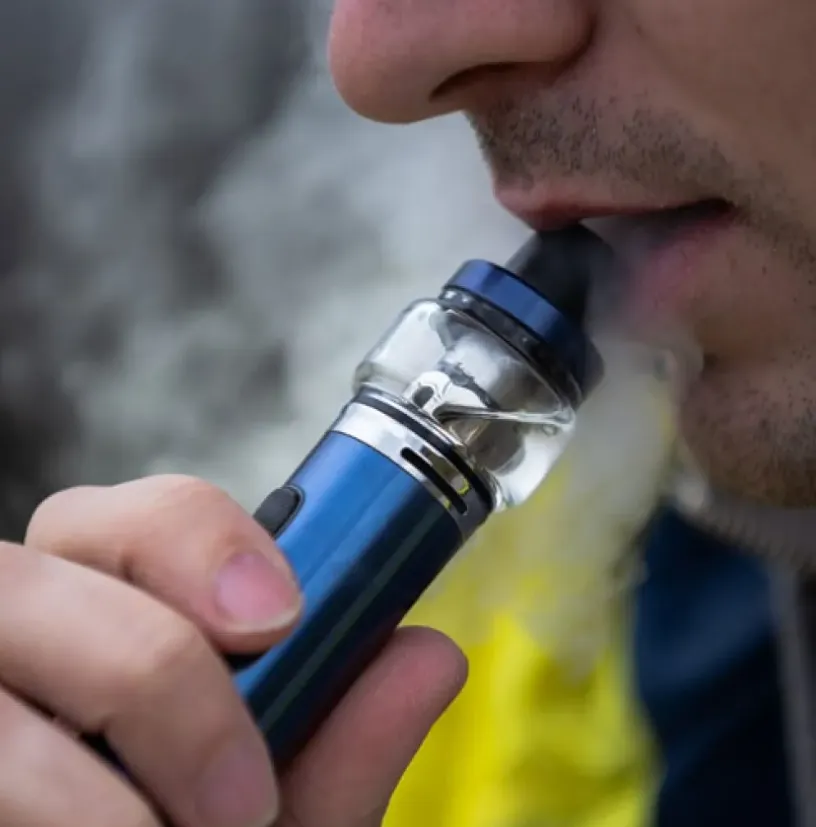
If you’re considering launching a vape shop, you’re entering a fast-growing market with strong earning potential. Many successful shops generate several hundred thousand dollars per year, and profit margins can climb impressively high when run efficiently. But before you get caught up in product offerings and décor ideas, it’s important to answer a practical question: What will it cost to get your shop off the ground?
From leasing space to stocking your first inventory order, every startup decision influences your total investment. Below is a breakdown of key expenses to help you build a realistic budget and open your store with confidence.
Budget for Rent, Property Costs, and Renovations
Securing a location will likely be your largest early expense. Whether you choose to rent or buy, you’ll need a physical address to register your business, receive inventory shipments, and serve customers.
Typical costs include:
- Renting a storefront: Plan on $2,000 to $7,000 to cover your deposit, first month’s rent, and landlord fees.
- Buying a commercial property: Expect pricing anywhere between $70,000 and $400,000, depending on size, condition, and location.
- Renovations: Budget $5,000 to $15,000 for fixtures, counters, shelving, and signage. Costs increase if you design a custom lounge or tasting area.
Choose your space carefully—visibility, parking, and foot traffic will directly impact your long-term success.
Account for Licenses, Permits, and Insurance
Vape shops must follow a number of regulations designed to control the sale of nicotine products. These requirements vary by state, but most new businesses should prepare for the following:
- Business license: $50 to $550 depending on state fees.
- Seller’s permit: Often free, but some states charge up to $100.
- Tobacco retailer license: Usually $15 to $200, required for selling vape or nicotine products.
- Business insurance: $700 to $3,000 annually for general liability and property coverage.
- Local permits: City or county approvals such as zoning compliance or a Certificate of Occupancy may come with additional filing fees.
Handling these details early helps you avoid penalties and build credibility with distributors.
Plan Inventory Spending Around Core Vape Categories
Inventory is one of the biggest startup investments. To fully stock a modern vape store, most owners spend between $15,000 and $40,000 upfront.
Your assortment should include:
- E-liquids: A variety of flavors, brands, and nicotine levels to appeal to different customer tastes and regulatory requirements.
- Devices and mods: A mix of entry-level and advanced options, including pod systems, pens, disposables, and premium setups.
- Accessories: Batteries, coils, chargers, cases, drip tips, and refill bottles to support ongoing customer needs.
Starting with a thoughtful mix helps establish your store as a reliable destination for both new and experienced vapers.
Set Aside Funds for Tech and Payment Systems
Your vape shop will rely heavily on technology—especially tools that help manage compliance and secure payments.
Plan your tech spending across these areas:
- POS software: Look for systems with age verification, compliance tools, and vape-specific features. Monthly plans generally cost $59 to $99.
- Hardware: Terminals range from $500 to $1,500, while scanners and printers typically cost $200 to $500.
- Payment processing: Vape shops often face higher processing rates (3% to 8%) due to industry risk. Some POS platforms offer built-in processing to simplify your setup.
Investing wisely now ensures smoother operations once you open your doors.
Allocate a Budget for Marketing and Promotion
Marketing is essential in the early months of business, especially in a competitive industry.
Your promotional budget may include:
- Brand launch: $7,000 to $15,000 for signage, décor, print materials, and launch campaigns.
- Ongoing marketing: Aim to reinvest 10–15% of monthly revenue into social ads, local promotions, or partnerships.
- Online presence: A simple website and optimized local listings help customers find you quickly.
Strong marketing helps build awareness, attract consistent foot traffic, and encourage repeat business.
Use a Tailored POS System to Control Ongoing Costs
A specialized POS system can have a major impact on your store’s profitability. Beyond processing sales, it can help you monitor expenses, prevent loss, and manage your inventory effectively.
Key benefits include:
- Margin tracking to identify top performers
- Turnover analysis to avoid overstocking
- Automated reordering for high-demand items
- Vendor comparison tools to evaluate pricing
- Sales reporting to uncover trends and reduce shrinkage
With the right system, you gain a clearer picture of what drives profit and where to trim expenses.
Open Your Vape Shop With a Strong Financial Plan
Starting a vape shop requires careful budgeting, but the investment can pay off quickly with the right preparation. By considering location, licensing, inventory, technology, and marketing, you’ll have a clear picture of what it takes to launch successfully. With the proper tools and strategy in place, you can build a shop that grows steadily and serves your community well.
