



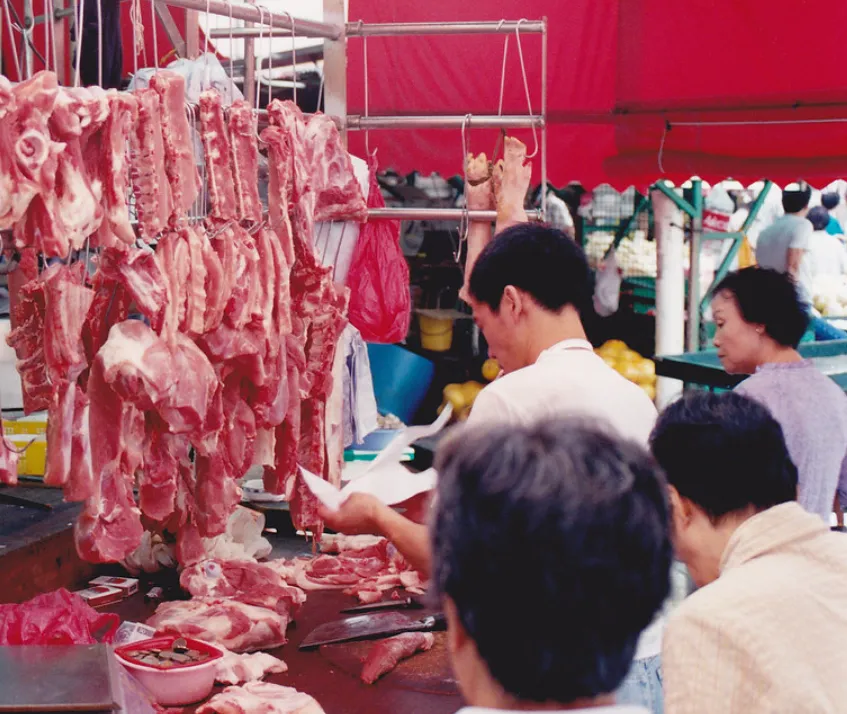
Small butcher shops and specialty meat stores are gaining popularity as shoppers look for fresher, higher-quality cuts and more personalized service than they’ll find in large supermarket chains. With the meat market industry continuing to grow, many aspiring business owners are exploring what it takes to open a shop of their own. If you’re considering launching a meat market, understanding the full scope of startup costs is essential.
Below is a clear breakdown of the major expenses you can expect as you prepare to open your doors.
How Much Does It Cost to Start a Meat Market?
Startup costs vary widely depending on the size of your space, your location, the equipment you choose, and how extensive your buildout will be. A modest, minimal setup might cost around $20,000, while a fully equipped, larger operation with custom installations and a full staff can exceed $500,000.
Your total investment will include expenses for leasing or buying a space, purchasing equipment, stocking initial inventory, hiring staff, obtaining permits, and marketing your new business.
Deciding Whether to Rent or Buy a Location
Choosing your storefront is one of the most impactful decisions you’ll make. Your cold storage needs, workflow layout, and customer traffic patterns all depend on the space you select.
You have two options:
Renting
Leasing a commercial space zoned for food preparation keeps your upfront costs lower. You’ll want room for walk-in coolers, prep areas, and customer flow. Monthly rent often ranges between $1,600 and $3,100, depending on the size and the local market.
Buying
Purchasing a property provides long-term stability and allows you to customize the space more freely. Food-grade commercial buildings average roughly $261 per square foot, or around $200,000 for a small 750-square-foot shop.
Renting is best for flexibility, while owning is ideal if you’re ready to commit for the long haul.
Essential Equipment and Fixtures
A meat market relies on durable, food-safe materials and specialized equipment to keep operations safe and efficient. Expect to invest in both structural upgrades and core processing tools.
Typical equipment costs include:
- Food-safe infrastructure: FDA-approved flooring and wall coverings, often $3 to $30 per square foot
- Meat processing tools: Grinders, slicers, scales, knives, vacuum sealers, refrigeration units, and smokers — usually totaling $26,500 to $94,000
- Business fixtures: Counters, shelving, computers, and tech hardware, typically $30,000 to $70,000
The right equipment protects product quality, ensures compliance, and helps maintain smooth operations.
Building Your First Inventory
Once your space is stocked with equipment, it’s time to purchase products. Your initial inventory should reflect the type of market you plan to create — whether that’s family-friendly staples, premium cuts, or a diverse mix.
Your inventory budget should account for:
- Core meat selections: Steaks, roasts, ground meat, sausages, cured meats, and other essentials
- Complementary products: Sauces, marinades, spice blends, charcuterie items, or small prepared foods
- Packaging materials: Wraps, labels, butcher paper, trays, and retail containers
Most shops spend between $12,000 and $35,000 to fully stock their first round of inventory.
Staffing and Required Licensing
Running a meat market involves meeting health and safety requirements as well as hiring trained employees. These expenses help ensure your business is operating legally and efficiently.
Plan for:
- Licensing and permits: Business registration, food safety certificates, meat handling permits, and any USDA-related approvals
- Payroll: Butchers, packers, cashiers, and customer service staff
- Insurance: Liability, property, equipment breakdown, spoilage protection, and workers’ compensation if you have employees
Most new meat markets spend $12,000 to $25,000 on early staffing needs and an additional $6,000 to $12,000 on permits and insurance.
Branding and Local Marketing
To attract your first customers, expect to invest in branding and outreach. New stores typically spend between $3,000 and $6,000 during the initial promotion phase.
Your marketing budget may include:
- Logos, color schemes, and signage
- Storefront branding and product label design
- A simple website or online listing
- Social media promotion and email updates
- Paid local advertising
- Opening-day events, which can add $500 to $3,000
Good branding helps establish your identity and build trust early on.
The Role of a Point of Sale System
A reliable POS system is essential for managing daily operations in a meat market. It ties together everything from checkout to inventory tracking and custom order management.
Look for a POS that offers:
- Real-time inventory monitoring
- Integrated label printing
- Support for weight-based pricing
- Custom order tracking and pickup scheduling
- User-friendly reporting tools
Depending on the setup you choose, POS hardware and installation can range anywhere from $3,000 to $39,000. Subscription-based systems often reduce upfront costs.
Getting the Most from Your Startup Budget
Opening a meat market is a significant investment, but with thoughtful planning, you can allocate your budget wisely and set your business up for success. Understanding each cost category helps you avoid surprises and make decisions that align with your long-term goals.
