



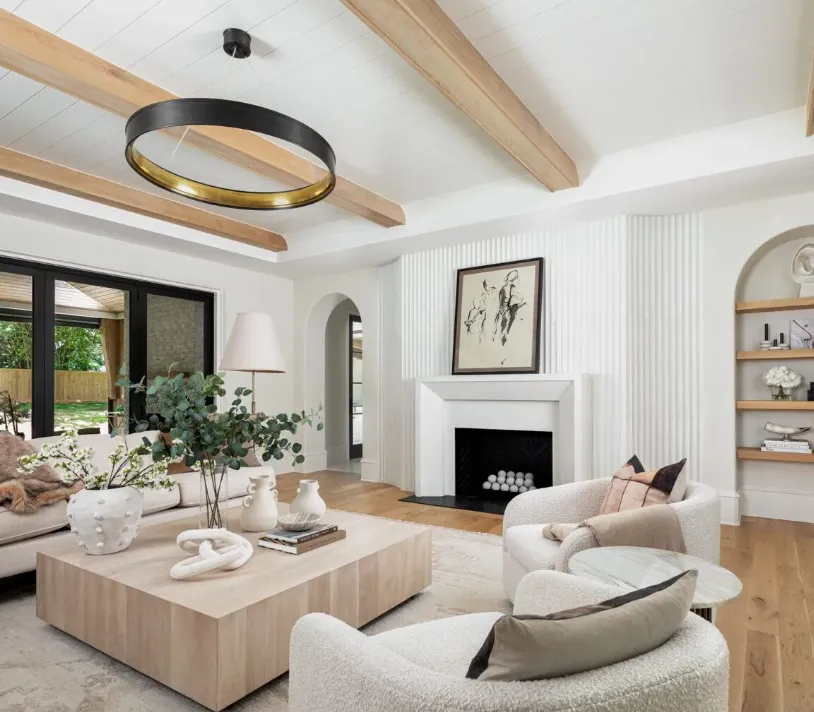
Lighting can completely transform a space, enhancing both its beauty and functionality. Instead of relying solely on expensive furniture or décor, a well-thought-out lighting plan can redefine how your home feels and performs. Whether you’re building a new property or updating an existing one, understanding how to layer and position light correctly will help you achieve a balanced, comfortable environment.
This guide outlines a six-step process to design a lighting plan that’s practical, stylish, and budget-friendly, along with expert tips on room-specific lighting and energy-efficient technologies.
Step 1: Set a Realistic Budget
Before you start choosing fixtures or bulbs, establish a budget. Lighting costs can vary widely depending on the number of fittings, installation requirements, and control systems. To manage expenses effectively, allocate your spending roughly as follows:
40–50% for fixtures such as ceiling lights, wall sconces, and pendants.
20–30% for bulbs and lamps, especially high-quality LEDs.
10–20% for switches, dimmers, and smart controls.
Keep a small contingency fund for compatibility modules or spare bulbs.
Focus first on the most frequently used areas—kitchens, bathrooms, and hallways—where good lighting makes the biggest difference.
Step 2: Map Out Your Floor Plan
A scaled floor plan helps determine where each light source should go. Include windows, doors, and key furniture pieces to understand how natural and artificial light interact throughout the day.
Helpful guidelines:
- Identify how daylight enters the space—morning vs. evening exposure.
- Define “zones” like reading nooks, dining areas, and worktops.
- Aim for appropriate brightness levels:
- Living rooms: 100–300 lux
- Kitchens: 300–500 lux (up to 700 over worktops)
- Bathrooms: 200–500 lux
- Bedrooms: 50–200 lux
- For recessed lighting, space downlights roughly one to one-and-a-half times the ceiling height in metres.
This planning step ensures that every corner of your home is illuminated effectively without over-lighting.
Step 3: Choose a Style That Fits Your Home
Lighting contributes greatly to a room’s overall mood and personality. Selecting a consistent theme across fixtures creates visual harmony while reinforcing your décor style.
Design tips:
- Match fixture finishes with other hardware such as handles, taps, and metal accents.
- Keep shapes cohesive—stick with either rounded or angular designs.
- Combine statement pieces like a chandelier with simpler supporting lights.
Don’t be afraid to mix materials or textures; the goal is to create a balanced, inviting look that reflects your taste.
Step 4: Match Light to Function
Each room has a distinct purpose, so the lighting should complement how you use it. Think of lighting in terms of its role:
Task lighting – Bright, focused light for detailed work such as cooking, reading, or grooming. Aim for a high colour rendering index (CRI 90+) for true-to-life tones.
Ambient lighting – Provides general illumination, ensuring safe movement and comfort.
Accent lighting – Adds depth by drawing attention to specific features like art, shelving, or architectural details.
For example, kitchens need stronger task lighting around prep areas, while bedrooms benefit from soft, ambient light to create a restful feel.
Step 5: Layer the Light
A great lighting design uses multiple layers to balance practicality and ambience. The combination of ambient, task, and accent lighting allows flexibility for every occasion.
Example: In a living room, use dimmable ceiling fixtures as your base layer, add reading lamps beside sofas or chairs, and finish with subtle accent lighting on artwork or bookshelves. This approach adds depth and visual interest while keeping the space adaptable.
Step 6: Embrace Modern Lighting Technology
Today’s lighting technology offers incredible efficiency and control. LEDs, for example, consume up to 85% less energy than traditional bulbs and can last for decades. They’re available in a range of colour temperatures—from warm white (2700–3000K) for living spaces to cooler white (3000–4000K) for kitchens and bathrooms.
Quick checklist:
- Choose CRI 90+ for true colour accuracy.
- Always pair dimmable LEDs with compatible dimmer switches to avoid flicker.
- Explore smart lighting controls for scheduling and energy savings.
Modern lighting isn’t just about efficiency—it’s about comfort, convenience, and creating the right atmosphere at any time of day.
Lighting Tips for Key Rooms
Living Room:
Use dimmable ceiling or pendant lights for ambient illumination. Add task lamps for reading and accent lighting for art or décor. Keep tones consistent—warm whites (2700K–3000K) create a cosy, welcoming feel.
Kitchen:
Combine ceiling downlights with under-cabinet LED strips for worktop visibility. Opt for cool-to-neutral white (3000K–4000K) for clear, bright light. Use spotlights or GU10 lamps over islands or prep areas for precision lighting.
Bedroom:
Choose soft, warm light to create a relaxing mood. Include bedside lamps with focused beams for reading. Consider dimmers or motion-activated night lights for comfort and safety.
Bathroom:
Select IP-rated fixtures (IP65 or higher for shower zones). Use even, shadow-free lighting around mirrors for grooming tasks. Neutral whites (3000K–4000K) with CRI 90+ provide flattering light for skin tones.
Common Lighting Mistakes to Avoid
Mixing colour temperatures within one room can create a disjointed effect.
Overusing downlights makes spaces look flat—add layers instead.
Neglecting CRI leads to dull, inaccurate colours.
Ignoring beam angles can leave uneven patches of light.
Forgetting dimmer compatibility may cause flickering or reduced bulb life.
Final Thoughts
Designing the perfect home lighting plan is about balancing function, aesthetics, and efficiency. By following a structured approach—budgeting wisely, layering light types, and using modern LED technology—you can create a space that’s warm, versatile, and energy-efficient.
Lighting is more than just illumination; it’s an essential design element that shapes the mood and livability of every room. With thoughtful planning, your home can shine—literally and beautifully.
