



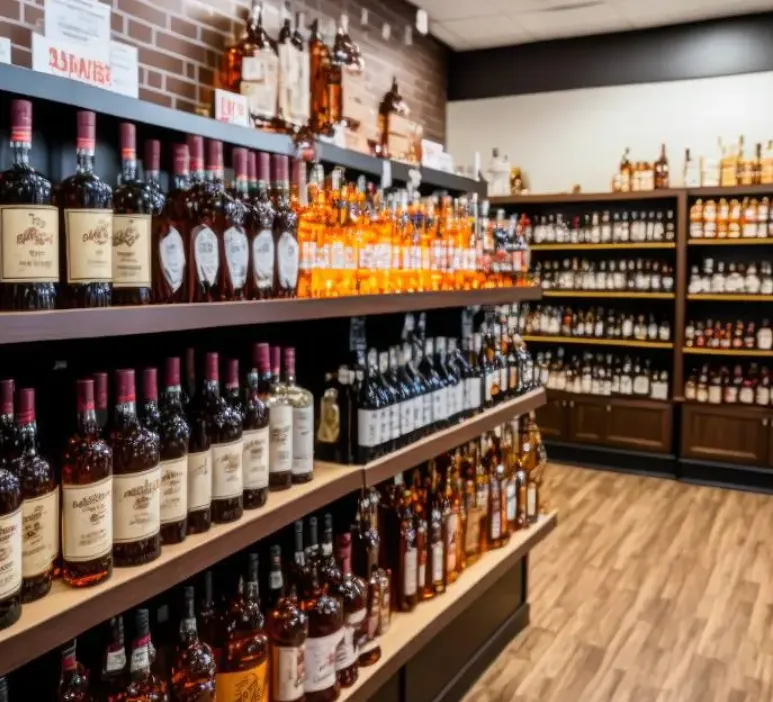
New York offers one of the largest liquor markets in the country, with thousands of stores operating across the state and a constant flow of customers made up of residents, professionals, and tourists. Demand for spirits continues to rise, making New York an appealing place to launch a liquor store. However, high costs, dense competition, and strict regulations make preparation essential.
If you’re planning to open a liquor store in New York, the following eight insights will help you navigate licensing rules, choose a strong location, and set up efficient operations that support long-term growth.
Understanding New York’s Liquor Landscape
New York’s liquor laws are more complex than those in many other states. In New York City, community board reviews, zoning limitations, and neighborhood concerns often play a major role in determining whether a store can open. Upstate regions generally follow a simpler process, but all areas require close attention to state laws and local expectations.
Successful stores in New York tend to excel in three areas: strong location choices, well-curated product selections, and efficient systems for compliance and inventory. Keeping these pillars in mind will help you build a more resilient business from day one.
Tip 1: Know the Licensing Requirements
To operate a take-home liquor store in New York, you’ll need an off-premises retail license, known as an L222 permit. The New York State Liquor Authority charges a total of $4,298 for the application, plus a $1,000 bond. Processing typically takes five to six months.
Most applicants also request a temporary permit, which can be approved within about 30 days and allows up to 90 days of operation while your full license is under review.
Your application will require items such as:
Proof of citizenship or legal status
Premises photos
Entity formation documents
Lease agreements or property deeds
Financial records showing investments and ownership
Fingerprinting for all major stakeholders
Preparing these items early helps minimize delays.
Tip 2: Select a Location That Meets All Requirements
New York imposes specific distance rules on liquor stores. The 200-foot rule prohibits locations near schools or places of worship. The 500-foot rule applies when several on-premise licenses already operate nearby and may require you to demonstrate that your store serves the public interest.
Beyond the legal considerations, evaluate:
Visibility and foot traffic
Nearby parking or transit access
Neighboring businesses that may help drive customers
Rent compared with expected revenue
Certificate of Occupancy requirements
Always confirm zoning restrictions before signing a lease and consult NYSLA mapping tools to ensure compliance.
Tip 3: Make Your License Application as Smooth as Possible
Before you file, register your business with the state and obtain a federal EIN. New York City applicants must notify their community board at least 30 days before submitting paperwork, while other regions require municipal notification.
You’ll also need to publish notices in local newspapers and display required signage at your future storefront. Incomplete applications often receive deficiency notices, which add weeks to the approval timeline, so accuracy and organization are critical.
Building a relationship with your local community board can also make a big difference—early engagement helps establish goodwill and prevents avoidable conflicts.
Tip 4: Learn the Dynamics of Your Local Market
New York’s neighborhoods are diverse, and customer preferences shift dramatically from one block to the next. Understanding your local customer base helps you stock products people actually want.
Analyze local competition by visiting nearby stores and taking note of:
Customer traffic patterns
Pricing strategies
Product selection
Store layouts and service levels
Also consider broader factors, including demographic trends, household incomes, and seasonal changes in demand. By identifying gaps in the market, you can build a more targeted product mix and create a better experience for your customers.
Tip 5: Budget Carefully and Secure the Right Funding
Opening a liquor store in New York requires a significant budget. Depending on the scale and location, startup costs can range from $60,000 for a small shop to over $200,000 for a larger or premium concept. Ongoing expenses—including rent, utilities, payroll, and inventory—add to the required capital.
Funding options include:
Personal savings
Bank financing
Small Business Administration loans
Investor partnerships
Because operating costs in New York City are much higher than in upstate regions, it’s wise to set aside several months of operating reserves to avoid cash-flow challenges after opening.
Tip 6: Build a Thoughtful Product Selection
A successful New York liquor store balances dependable sellers with unique items that distinguish it from competitors. While staples like whiskey, vodka, and popular wine varieties are essential, specialty spirits, craft producers, and local favorites help attract return customers.
Use sales trends and customer behavior to refine your product mix. Data from your POS system can highlight high-margin items, slow movers, and seasonal patterns, allowing you to adjust your lineup with confidence.
Tip 7: Strengthen Compliance and Security
Strict adherence to New York’s liquor laws is crucial. Employees must verify IDs for anyone who appears under 35, and stores must follow specific operating hours to avoid fines or license suspension.
Compliance best practices include:
Thorough staff training
Accurate sales and inventory records
Clear signage for age requirements and licensing
Reliable ID-checking solutions
Because liquor stores are common targets for theft, invest in security measures such as surveillance cameras, alarm systems, and controlled cash management procedures. A robust POS system with employee monitoring tools can also help reduce internal losses.
Tip 8: Create a Strategic Marketing and Retention Plan
Consumers in New York have many options, so effective marketing is essential. A well-executed grand opening can help you make a strong first impression, but long-term retention depends on consistent outreach and a compelling value proposition.
Ways to attract and keep customers include:
Hosting tastings and special events
Launching a loyalty program
Partnering with local bars and restaurants
Participating in community events
Sending personalized email promotions
Define what makes your store stand out—whether it’s unbeatable knowledge, unique products, or great value—and build your marketing message around those strengths.
Final Thoughts: Opening a Liquor Store in New York
Opening a liquor store in New York requires detailed planning, strong financial preparation, and a deep understanding of state and local regulations. But with the right strategy—supported by thorough research, a smart product mix, and reliable technology—you can build a profitable business in one of the country’s most competitive retail environments.
