



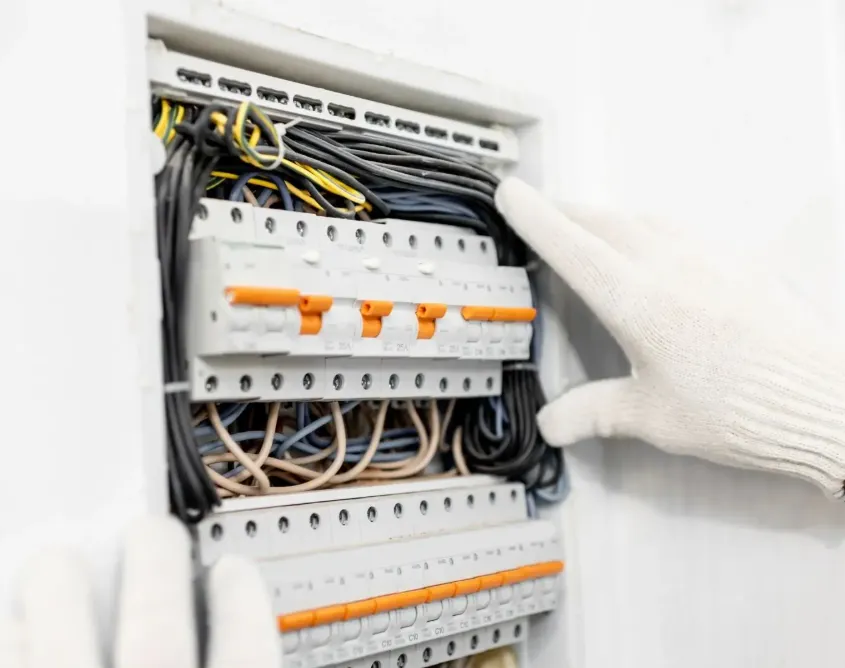
Most of us don’t give much thought to the electricity running behind our walls—until something goes wrong. Beneath the surface, a network of components is working constantly to keep your home powered safely. Among these, TP&N boards and associated switchgear play a vital role in managing electrical loads, preventing faults and ensuring your system operates reliably.
This guide explains what TP&N boards are, how they contribute to household safety and why they’re worth considering for modern homes.
Understanding TP&N Boards and Switchgear
TP&N stands for Three-Phase and Neutral. These boards are designed to distribute incoming power across multiple circuits without allowing any one of them to become overloaded. They house various protective devices—such as miniature circuit breakers (MCBs), residual current devices (RCDs) and RCBOs—that monitor electrical behaviour and disconnect circuits the moment something unsafe occurs.
Switchgear installed alongside TP&N boards, including isolators and fused switches, adds another layer of protection by making it possible to disconnect specific parts of the installation safely whenever maintenance or repairs are required.
How TP&N Boards Improve Household Safety
1. Protecting Against Electrical Faults
Everyday appliances can draw more power than expected, and faults can occur without warning. TP&N boards detect overloads, short circuits and earth-leakage currents before they escalate. MCBs cut power during high current surges, while RCBOs offer combined protection against both overloads and earth faults, significantly reducing the risk of fire or electric shock.
2. Safe Isolation During Repairs
Working on an electrical installation always carries risk. With a TP&N isolator or fused switch in place, individual circuits can be switched off without affecting the rest of the home. This controlled isolation protects both electricians and homeowners when replacing sockets, installing appliances or carrying out upgrades.
3. Complying With Modern Wiring Standards
Current UK electrical regulations place strong emphasis on protection against electric shock and fire. TP&N boards are designed to meet these safety expectations, whether used in homes or adapted from low-voltage commercial switchgear. Their modern design ensures circuits operate independently, reducing the likelihood of nuisance tripping.
4. Reducing Fire Hazards
Electrical fires often start with faults that go unnoticed. RCDs monitor for leakage currents that may indicate damaged wiring or overheating. When detected, the device disconnects the circuit instantly. Many TP&N boards also provide separate neutral bars, helping keep essential safety devices—such as smoke alarms—powered even if another circuit trips.
What Makes TP&N Boards Effective?
Modern TP&N boards are built with features that make them both safe and convenient:
- Configurable layouts for MCBs and RCBOs
- Durable enclosures made from metal or fire-resistant plastic
- Secure earthing and neutral terminals
- Streamlined designs suitable for residential settings
These qualities make them well-suited to homes with growing electrical demands.
Why TP&N Switchgear Matters in Today’s Homes
As households adopt more high-demand appliances—electric ovens, heating systems, EV chargers and workshop tools—the load on the electrical system increases. TP&N boards are designed to handle these higher capacities while maintaining stable operation. They also support future upgrades, making them a practical choice for homes transitioning toward smarter, more energy-intensive installations.
Tips for Installing and Maintaining TP&N Boards
- Hire a qualified electrician: Proper installation ensures compliance with national wiring regulations.
- Test protective devices regularly: RCDs and RCBOs should be checked to ensure they react correctly.
- Choose a board with spare capacity: Extra ways allow for future circuits or equipment.
- Select reputable brands: Quality components offer better long-term reliability.
Final Thoughts
A TP&N board is more than a distribution point—it is a critical safety device that helps prevent fires, protects against electrical shocks and supports stable operation across every circuit in your home. When paired with reliable switchgear, it allows safe isolation for maintenance and ensures your electrical system can meet both current and future demands.
Installing the right setup offers peace of mind, knowing your home is protected by equipment designed to keep your electrical supply safe and well-controlled.
