



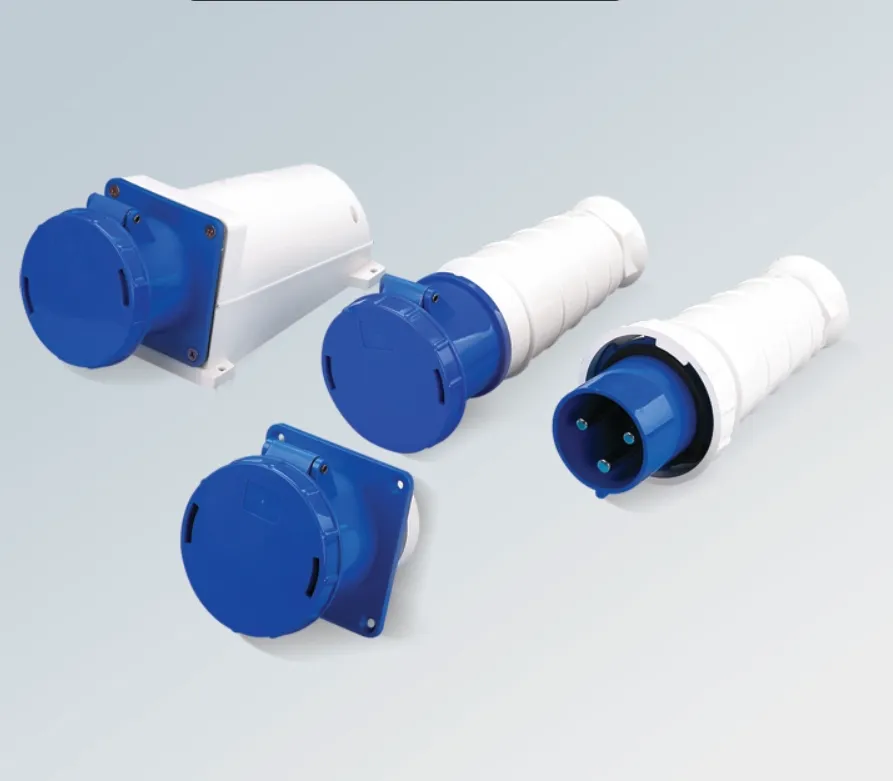
Reliable electrical connections are the backbone of any industrial operation. Whether you’re powering welders, conveyors, or portable machinery, choosing the right industrial plugs and sockets ensures uninterrupted performance, compliance with safety standards, and long-term durability. In environments where dust, moisture, and heavy handling are routine, robust connectors prevent costly downtime and safeguard both personnel and equipment.
This 2025 buyer’s guide explores how to select the right industrial plugs and sockets for UK applications—covering key types, compliance essentials, and product features that improve safety and uptime across demanding sites.
Understanding Industrial Plug and Socket Types
Industrial connectors come in various forms designed to perform reliably in harsh conditions. Selecting the correct type begins with assessing the environment and load profile to ensure the unit’s construction suits the application.
Waterproof Connectors – Designed for outdoor, washdown, or splash-prone areas. Models rated IP66 or IP67 protect against strong jets or temporary immersion.
Dustproof Connectors – Essential for workshops, manufacturing lines, and construction areas where airborne particles can damage electrical contacts over time.
Chemical-Resistant Connectors – Built for laboratories and processing plants that handle solvents or caustic materials. They feature seals and housings that maintain integrity against corrosion.
When selecting, pay attention to voltage and current ratings, ensuring the plug or socket can handle both regular and peak loads. Housings should be made of high-impact polymer or alloy materials, and include secure strain relief systems to prevent wire fatigue. For multi-voltage environments, standardising on colour-coded connectors—blue for 230V single-phase and red for 400V three-phase—reduces confusion and improves safety across teams.
Compliance and Safety in the UK
Safety and compliance are non-negotiable in industrial power setups. In the UK, three main standards govern selection and installation:
- IP Ratings (Ingress Protection): IP44 units resist splashes, while IP67 models withstand immersion and cleaning with pressurised water—ideal for marine, food, or outdoor environments.
- IEC 60309 Standard: Defines colour coding, pin configurations, and voltage limits up to 1000V. It ensures plugs and sockets of different voltages or frequencies cannot be mismatched.
- British Standards and Wiring Regulations: Aligning with BS EN 60309 and BS EN 60529 ensures compatibility with UK electrical codes for both temporary and permanent installations.
For high-risk or wet environments, interlocked sockets are strongly recommended. They prevent live disconnection, eliminating arcing hazards and extending component lifespan.
Top Industrial Plug and Socket Choices for 2025
1. GARO 63A IP44 5-Pin 400V Plug Top
This durable 63-amp plug offers splash resistance and solid mechanical strength, making it a dependable choice for workshops and production lines. Its robust design resists temperature fluctuations and mechanical stress, while twin-screw strain relief keeps cables secure during movement.
2. GARO 16A IP67 5-Pin 400V Interlocked Socket
Built for wet or hose-down areas, this interlocked socket prevents live withdrawal, ensuring operator safety. With full IP67 sealing, it’s suitable for industrial and outdoor use where reliability is critical.
3. Europa 40A 3-Pole + Neutral Firefighter’s Switch (IP65)
Encased in a die-cast aluminium body with an epoxy finish, this heavy-duty switch provides secure isolation and tamper-proof operation. The lid can only be removed in the OFF position, allowing maintenance teams to work safely in controlled conditions.
These options highlight the importance of matching build quality and ingress protection to the environment. Always review product datasheets and verify IP ratings before installation in hygiene-sensitive or high-pressure washdown settings.
How to Choose Heavy-Duty Connectors That Last
When purchasing industrial plugs and sockets, consider these key factors:
- Application Demands: Equipment like welders and heavy motors produce high inrush currents—opt for higher-rated or interlocked models for consistent performance.
- Operating Conditions: Heat, moisture, oil, and dust exposure determine the required IP level. For most rugged environments, IP67 offers optimal protection.
- Durability: Reinforced housings, locking mechanisms, and resilient gaskets extend service life under repeated use.
- Safety Features: Look for interlocks, lockable covers, and keyed designs that prevent mismatched connections.
- Standards and Compatibility: Verify compliance with IEC/EN 60309 and ensure colour codes match system voltages to avoid wiring errors.
Implementing colour-coded mapping on panels and outlets can further reduce setup time and prevent misconnection during equipment changes or maintenance cycles.
Final Thoughts
In today’s industrial landscape, where uptime and safety go hand in hand, choosing the right plugs and sockets is an investment in reliability. By specifying connectors that meet UK and IEC standards, offer robust ingress protection, and include smart safety features, you can maintain continuous power, simplify maintenance, and ensure compliance across every site.
As 2025 brings even higher expectations for operational efficiency and workplace safety, durable industrial plugs and sockets remain essential components for powering modern industry with confidence and control.
