



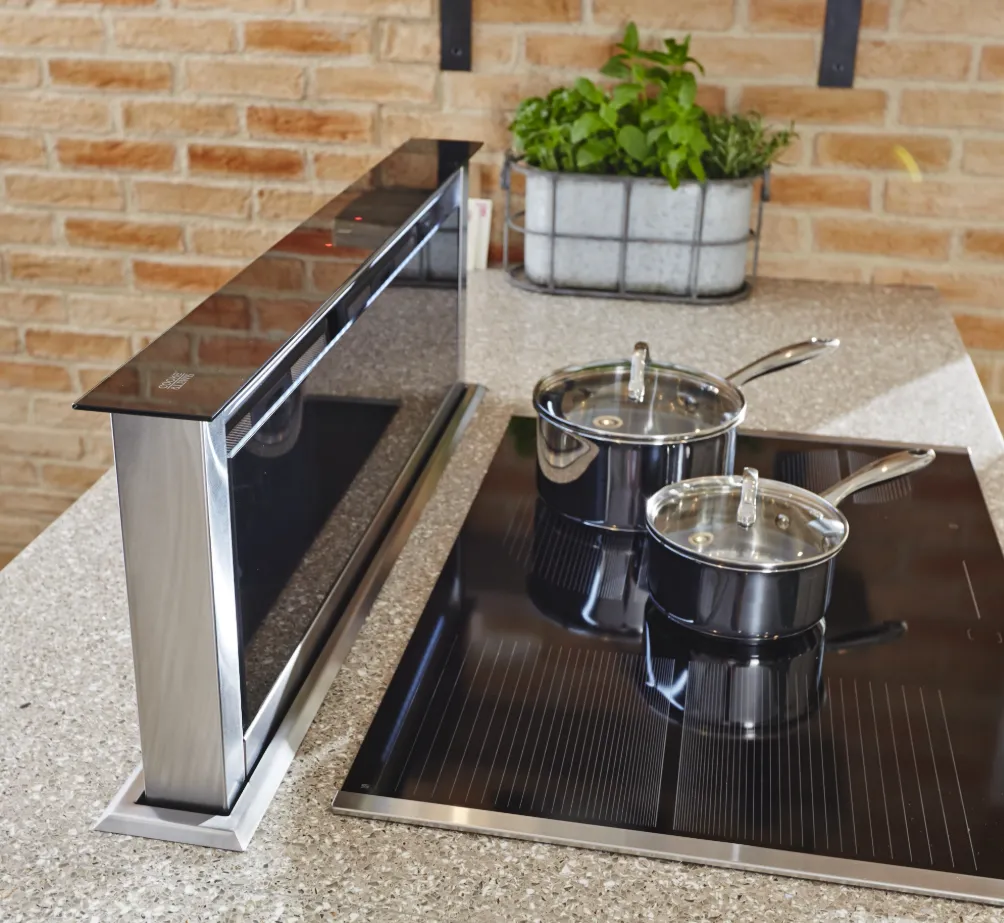
Extractor fans play a crucial role in maintaining good air quality in kitchens, bathrooms, and utility spaces. They remove excess moisture, odours, and stale air, preventing condensation, mould growth, and long-term damage to your home. However, older models often stand out awkwardly or clash with sleek interiors. Fortunately, integrated extractor fans now offer a contemporary alternative—combining powerful performance with minimalist design.
If you’re planning a renovation or upgrade, understanding how these fans work and what features to look for can help you make the right choice for both function and style.
Understanding Extractor Fans
Extractor fans work by drawing in humid or polluted air and venting it outside, creating constant air exchange. This simple process prevents moisture build-up, protects finishes, and promotes a healthier indoor environment.
There are three main types commonly used in homes:
- Axial Fans – Best suited for short duct runs, such as small bathrooms or cloakrooms, as they move air directly through the wall.
- Centrifugal Fans – Designed for longer duct runs, these provide stronger airflow for larger rooms or complex ventilation paths.
- Inline Fans – Installed within ductwork, often in lofts or ceiling voids, providing high performance and very quiet operation since the motor is located away from the room.
When choosing a fan, consider the required extraction rate, noise level, and the distance to the outside vent. Most modern units are energy-efficient, using minimal electricity while maintaining high performance.
What Makes Integrated Extractor Fans Different
Integrated extractor fans are designed to blend seamlessly with your ceiling or wall. Unlike traditional fans with visible grilles, these models feature a smooth, flush-mounted fascia that conceals the mechanical parts. Behind this clean surface, a powerful motor efficiently removes moisture and odours without disrupting your décor.
Some versions include automatic shutters that open during operation and close when not in use—keeping the design neat and preventing drafts. These fans are ideal for minimalist interiors, contemporary bathrooms, and modern kitchens where aesthetics matter as much as performance.
Key Features to Look For
When selecting an integrated extractor fan, the right features can greatly improve convenience, efficiency, and noise control.
1. Run-On Timer
A run-on timer keeps the fan operating briefly after the light or switch is turned off, ensuring all residual moisture is cleared. Adjustable timers (typically 5–30 minutes) are particularly helpful in bathrooms without windows.
2. Continuous or Trickle Ventilation
This feature allows the fan to run quietly at a low speed in the background, maintaining constant airflow. It automatically boosts power when humidity levels rise, helping to prevent condensation and stale air.
3. Low-Noise Operation
For peace and comfort, especially in en-suites or bedrooms, opt for fans with a noise level under 20 decibels. Many models include dual-speed settings for quiet background operation and higher output during showers.
4. SELV (Safety Extra Low Voltage)
In wet environments, safety is critical. SELV-rated fans use low-voltage power and a remote transformer, making them suitable for installation near showers or baths in compliance with UK electrical safety regulations.
5. Delayed Start Function
Some models include a delayed start to avoid unnecessary noise during quick visits. The fan activates only if the room is occupied for a certain duration—ideal for nighttime use.
6. Backdraft Protection
Built-in shutters or vents prevent cold air from entering when the fan is not running. This feature is especially valuable for wall or ceiling installations in colder climates.
Control and Operation Options
Integrated extractor fans can be operated in several ways depending on user preference and room setup.
- Pull-Cord Switch – A simple manual control ideal for guest bathrooms or rental properties.
- Light Switch Connection – The fan activates when the light is switched on and continues for a preset duration afterward.
- Humidity Sensor – Automatically starts the fan when moisture reaches a certain level and stops once the air is dry again.
- Motion Sensor (PIR) – Detects movement and triggers ventilation automatically, a great hands-free option for convenience.
- Smart App Control – Advanced fans can connect to apps for scheduling, remote control, and performance monitoring—perfect for smart homes.
Installation Options
The right installation method depends on your space, ducting layout, and ventilation requirements.
Ceiling Mounted: The most discreet solution, venting through ductwork to an external wall or roof outlet. Ideal for modern bathrooms with concealed systems.
Wall Mounted: A practical and cost-effective option for small rooms, extracting directly through an exterior wall.
Inline (Remote) Systems: Installed in lofts or ceiling voids for quieter performance and stronger airflow, commonly used in larger kitchens or bathrooms.
Window Mounted: Although less common today, this method can be useful where wall or ceiling ducting isn’t possible.
Final Thoughts
Integrated extractor fans offer an elegant, modern approach to home ventilation. They combine the efficiency of traditional systems with a sleek design that complements any interior. With options for quiet operation, smart control, and enhanced safety, these fans provide a practical and stylish way to keep your home fresh, healthy, and free from moisture year-round.
Whether you’re designing a new space or upgrading an existing one, investing in an integrated extractor fan ensures both comfort and visual harmony—proof that ventilation can be both functional and beautiful.
