



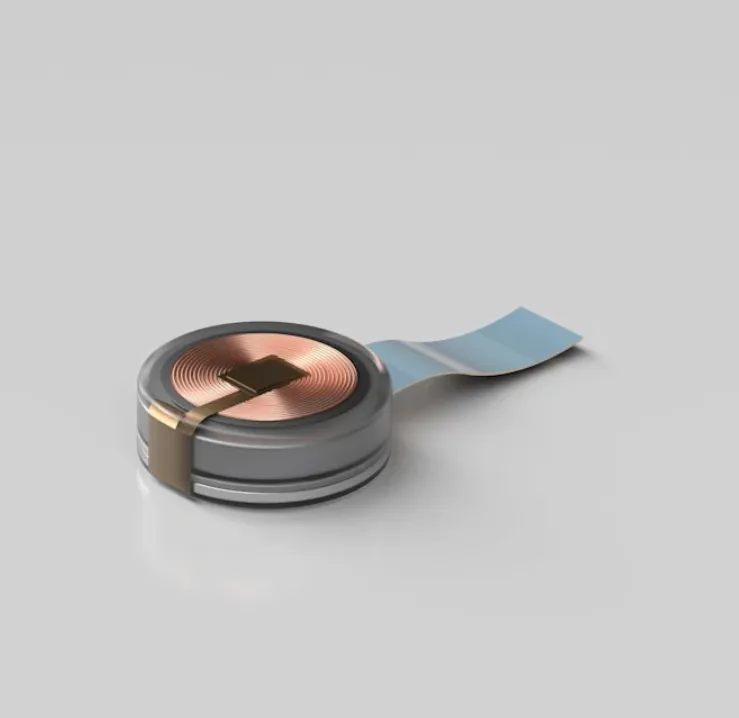
Neuralink, Elon Musk’s brain-computer interface company, is developing an innovative brain implant called Blindsight, which has shown promising results in restoring and enhancing vision. Currently being tested on monkeys, the device could even grant humans the ability to see in infrared, a groundbreaking step in sensory augmentation.
A Leap in Brain-Computer Interface Technology
At a recent conference, Neuralink engineer Joseph O’Doherty presented results from the Blindsight implant trials, where it successfully stimulated vision-related brain regions in monkeys. During the tests, the monkeys were able to move their eyes towards imagined visual targets in response to cues, achieving this action more than two-thirds of the time. This marks a significant breakthrough in visual neuroscience.
Vision Enhancement and Beyond
Blindsight’s potential extends beyond just restoring sight. Neuralink aims to integrate the chip with vision-enhancing glasses that could project augmented reality directly into the brain. This could significantly expand human sensory perception, potentially allowing people to experience vision beyond natural limits, such as seeing infrared light or other unseen spectrums of light.
This marks a pivotal moment in the development of brain-machine interfaces, potentially offering new forms of sensory input and altering how humans interact with the world around them.
Human Trials Still Await Approval
Although Blindsight has shown great promise in animal testing, it has not yet been approved for human use in the U.S. While trials on monkeys have yielded positive results, translating these findings to human applications is still uncertain. Elon Musk has previously confirmed that human trials are expected to begin later this year, pending regulatory approval.
Surgical Approach for Human Application
Testing on monkeys has been crucial because their visual cortex is located closer to the brain’s surface, making the process easier to conduct. For human trials, Neuralink plans to use its precision surgical robot to implant the device into deeper areas of the brain. This robotic surgery approach is designed to ensure the procedure is safe and accurate, minimizing risks as they prepare for human applications.
Final Thoughts
Neuralink’s Blindsight implant represents a monumental step forward in neuroscience, artificial intelligence, and sensory enhancement. Although human trials are still pending approval, this technology holds the potential to dramatically alter our understanding of vision and human perception in the near future.
