



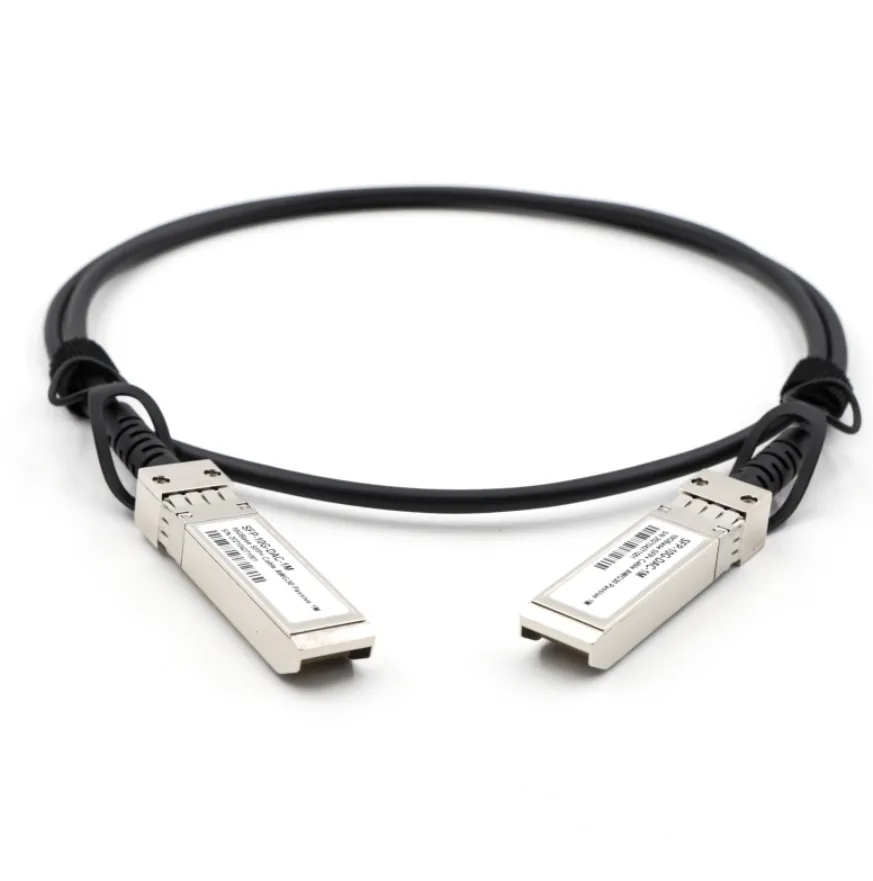
A great listening experience depends on more than just good speakers or headphones—the quality of the digital-to-analog conversion also plays a major role. DAC cables help bridge your digital devices with your audio gear, but not all DAC cables function the same way. They come in two main types—passive and active—and each one suits different needs and setups. In this guide, we’ll break down how they differ, where each one excels, and how to decide which cable is right for you.
What Is a DAC Cable?
A DAC cable connects a digital audio source—such as a computer, game console, or phone—to a device capable of converting that digital signal into analog sound. Once converted, the analog signal can be played through speakers, headphones, or an amplifier. Both passive and active DAC cables serve this purpose, but the way they handle the conversion and the technologies inside them are quite different.
Understanding Passive DAC Cables
Passive DAC cables rely entirely on the audio source for signal conversion. They contain no internal processing components, do not require power, and simply pass along the digital signal to the device handling the conversion.
Key Characteristics
- No external power needed
- Straightforward design
- Lower cost
- Minimal energy draw
Advantages
- Easy to use and highly portable
- Budget-friendly option for everyday listening
- Ideal for devices with strong built-in DACs
Limitations
- No ability to improve or amplify weak audio signals
- Performance depends entirely on the source device
- Less effective with devices that have basic or low-quality DACs
Exploring Active DAC Cables
Active DAC cables include built-in electronics that convert the digital signal themselves. They often draw power from the connected device or from an external source. These cables may also offer additional enhancements beyond simple signal conversion.
Key Characteristics
- Integrated DAC chip
- Requires power from the device or external supply
- Capable of real-time signal processing
Advantages
- Improved audio detail and clarity
- Can amplify weak signals
- Often include noise filtering or other refinements
- Helpful when connecting to devices with poor internal DACs
Limitations
- Higher cost due to added components
- Less convenient for mobile use because of power requirements
- Slightly bulkier and more complex to set up
How to Decide Between Passive and Active DAC Cables
- Consider Your Audio Expectations
If you prefer the best sound possible or use high-resolution sources, an active DAC cable is more likely to deliver noticeable improvements thanks to its internal processing.
If your listening needs are simple, or your device already has a capable DAC, a passive cable can work perfectly well.
- Think About Where You’ll Be Using It
Passive DAC cables are convenient for portable setups—no extra power, compact size, and easy operation.
Active DAC cables shine in stationary setups, such as desktop computer systems or home entertainment equipment, where better sound quality matters more than portability.
- Know Your Budget
Passive cables are typically much cheaper and still offer good performance when paired with quality hardware.
Active DAC cables cost more, but the upgrade in audio quality and the added features can justify the price for serious listeners.
- Check Your Device’s Built-In DAC
If you’re using a device with a weaker DAC—common in budget phones and laptops—an active DAC cable can make a dramatic difference.
If your device includes a premium DAC, a passive cable may be all you need.
Conclusion
Choosing between passive and active DAC cables comes down to how you plan to use them and what kind of audio quality you expect. Passive cables keep things simple and affordable, making them great for everyday listening or travel. Active DAC cables, with their built-in processing and signal improvements, are ideal for those who want elevated sound quality or need extra amplification.
By taking into account your budget, preferred setup, and the capabilities of your audio source, you can select the cable that best complements your listening habits—and enjoy your music, movies, and games at their fullest potential.
