



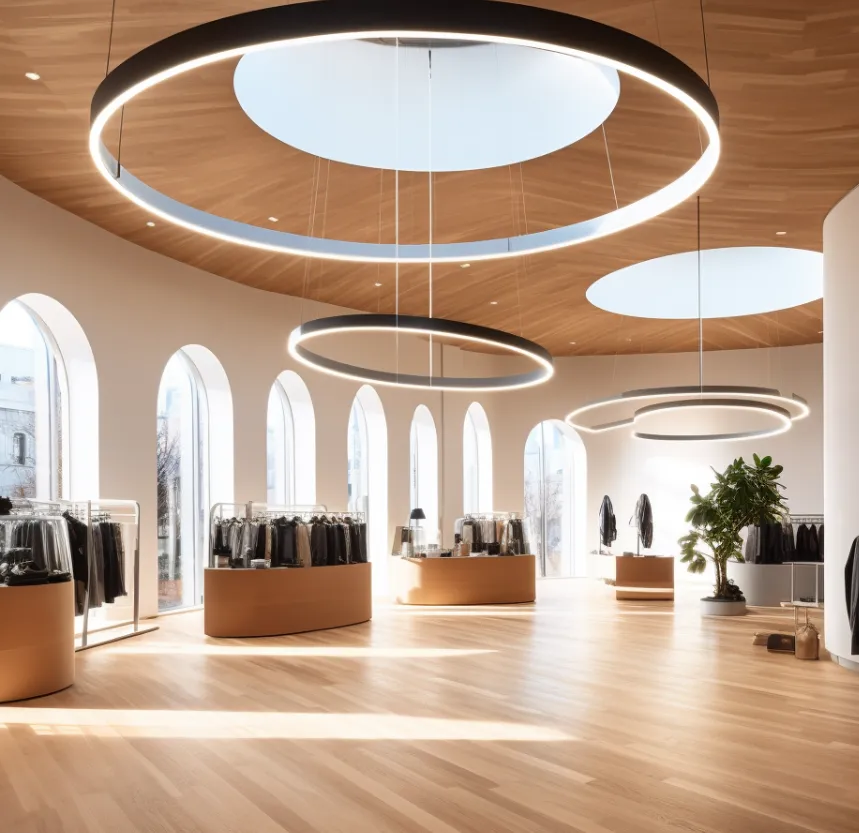
Lighting in a retail environment does far more than illuminate products—it guides customers, enhances brand personality, and subtly encourages purchasing decisions. A well-designed lighting scheme improves visibility, sets the tone for each zone, and supports staff in performing their tasks comfortably and safely. When executed thoughtfully, lighting becomes a powerful tool that improves sales, reduces returns, and helps shoppers feel confident in what they buy.
Why Lighting Design Matters in Retail
Every element of a store’s lighting layout influences behaviour. Good colour rendering helps customers judge textures, shades, and finishes accurately, reducing the likelihood of post-purchase disappointment. Strategic brightness creates a visual hierarchy that draws attention to key displays, new collections, or special promotions. Beyond merchandising, proper lighting ensures customers move safely and staff can work comfortably in service areas, fitting rooms, and stock zones. In many ways, the lighting design acts as a silent guide throughout the shopping journey.
How to Select the Right Retail Light Fixtures
Retail spaces offer countless fixture options, from track systems and downlights to wall washers and decorative pendants. The best choice depends on both your brand identity and the type of merchandise you sell.
Fixtures should reflect the store’s personality—sleek recessed fittings suit minimalist or luxury brands, while natural or decorative finishes complement lifestyle and boutique environments. The technical side matters just as much: beam angles, brightness, and colour accuracy determine how products appear to the customer. Narrow beams create drama for feature displays, while wider optics work well for clothing rails and general shelving. Always highlight products with the highest visual priority.
Downlighting vs. Uplighting: When to Use Each
Downlighting provides overall visibility, ensuring aisles, pathways, and counters are evenly lit. Recessed downlights and low-glare panels deliver soft ambient light without overwhelming the space. Track lights add flexibility, allowing you to adjust beams as store layouts evolve.
Uplighting introduces depth and interest by washing ceilings, architectural features, or window displays. It prevents the “flat” feeling that can occur with downward-only lighting and contributes to a more inviting atmosphere. Blending both approaches leads to a balanced, visually engaging environment.
Key Principles for Designing Effective Retail Lighting
Choose the Right Colour Temperature
Warm tones create a cosy vibe ideal for homeware or lifestyle brands, while neutral temperatures work well across general retail. Cooler light suits technology and back-of-house areas. Matching the colour temperature to the brand’s aesthetic ensures a cohesive customer experience.
Ensure Even Illumination
Avoid dramatic shadows or overly bright hotspots. Customers should feel comfortable navigating the store, and products should be easy to examine. Proper fixture spacing and wall washing support balanced light distribution.
Include Emergency and Exit Lighting
Clear escape signage and compliant emergency lighting are essential elements of both safety and legal requirements. Regular testing and appropriate placement protect customers and staff alike.
Focus on Energy Efficiency
LED technology has revolutionised retail lighting with long life spans and significantly reduced energy consumption. Adding sensors, daylight control, and timed scenes enhances efficiency without compromising visual quality. Consistent driver and module choices simplify maintenance and reduce downtime.
Layering Light: Ambient, Accent, and Task
A great lighting design builds from the ground up:
Ambient lighting creates the foundation, offering general visibility and comfort.
Accent lighting highlights merchandise, draws focus to feature zones, and enhances texture and colour.
Task lighting supports specific functions such as fitting rooms, tills, or stock processing areas, ensuring clarity where precision is needed.
Smart controls tie the layers together with flexible presets, allowing stores to adapt lighting for events, seasonal changes, or time-of-day variations.
Design for Comfort and Long-Term Performance
Glare control is crucial—micro-textured optics and considered angles help reduce eye strain for both customers and staff. Choosing high-quality LEDs with strong colour consistency ensures products look true to life across all displays. Durable, well-cooled luminaires extend lifespan and help maintain consistent performance.
Planning for Maintenance and ROI
An effective lighting strategy considers both operating costs and visual return. Prioritise high-impact areas such as window displays and promotional zones. Use sensors to reduce unnecessary hours of illumination in stockrooms or low-traffic corridors. Regular cleaning and occasional re-aiming keep fixtures performing at their best. The result is a combination of energy savings, enhanced merchandising, and improved conversion rates.
Common Pitfalls to Avoid
Too much brightness can overwhelm shoppers.
Neglecting vertical lighting leaves walls—and products—looking flat.
Poor aiming leads to glare and discomfort.
Launching a store without proper commissioning results in uneven or ineffective lighting.
Overly complex controls frustrate staff.
Conclusion: Lighting That Enhances Every Aspect of Retail
Thoughtful lighting transforms a shop from functional to memorable. When retailers combine ambient, accent, and task layers with efficient LED technology and intuitive controls, they create an environment that feels inviting and encourages confident purchasing. Good lighting makes products more appealing, supports staff performance, and delivers long-term cost savings—all while strengthening the brand’s visual identity.
