



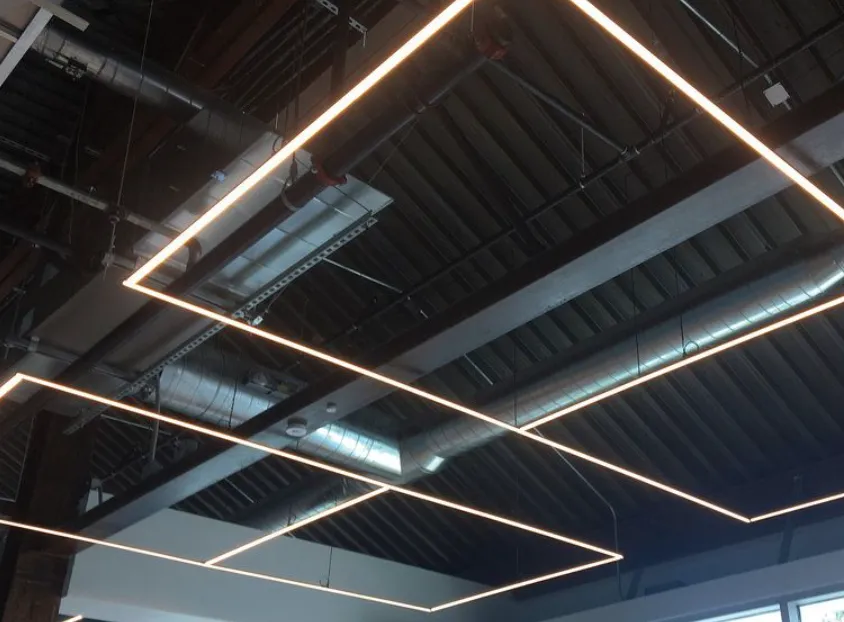
Lighting plays a powerful but often understated role in shaping the way customers experience a store. It can influence whether someone drifts through casually or stops long enough to make a purchase. Good design helps merchandise stand out, supports staff as they work, and reinforces the atmosphere your brand wants people to feel the moment they walk in. When these elements come together, lighting becomes a strategic tool rather than just a necessity.
Why Lighting Design Matters in Retail
The way a store is illuminated affects much more than the overall look and feel. It impacts how long customers stay, how comfortable they feel, and how they move through the space. Brightness, clarity, and colour accuracy all play their part in helping shoppers evaluate items, from fabric tones to surface finishes. A thoughtful lighting plan also guides attention to featured areas while creating a sense of safety and ease for both customers and employees. Strong illumination supports productivity behind the scenes as well, providing a pleasant working environment for staff in back rooms and at checkout counters.
Choosing the Right Light Fixtures
Retail spaces have access to a wide variety of lighting fixtures—from track lighting and pendants to recessed downlights and wall washers. Deciding which option fits best begins with two core questions.
How Does the Fixture Reflect Your Brand?
Lighting fixtures contribute heavily to your store’s identity. Clean, architectural fittings suit modern brands; natural materials and softer designs can complement lifestyle and craft-focused retailers. Decorative pendants can elevate boutique environments and create a premium feel. Even small choices like trims and optics help build visual consistency across the store.
How Does the Fixture Support the Product Display?
Beam angles, brightness, and colour rendering determine how well your products are seen. Medium beams are ideal for clothing racks or display tables, while narrow beams emphasise mannequins, spot features, or glass displays. Wall washers ensure graphics and vertical surfaces stay bright and noticeable. Prioritising colour accuracy, especially with high CRI values, ensures that the colours customers see on the shelf match what they’ll see outside.
Downlighting and Uplighting: When to Use Each
Downlighting
Downlights offer reliable, functional visibility and are typically used for general illumination. They keep aisles, counters, and walkways clearly lit. Adjustable track heads are especially useful when display layouts change, as they allow quick repositioning. For exteriors, downlighting promotes safety and helps the transition from daylight to indoor lighting feel more natural.
Uplighting
Uplighting adds visual interest by brightening ceilings and architectural details. It brings depth to spaces, reduces harsh shadows, and can make rooms feel more open. When used in window displays, uplighting prevents merchandise from appearing flat during evening hours and adds dimension to featured scenes.
Finding the Right Balance
In many stores, the most effective lighting design uses both techniques. Downlighting supports movement and browsing, while uplighting adds contrast and atmosphere. Together, they create a more engaging shopping environment.
Tips for Effective Retail Lighting Design
Selecting Colour Temperature and Brightness
Colour temperature sets the tone of your space. Warm light creates a relaxed, intimate feel suitable for lifestyle or homeware stores, while neutral white works well across most retail environments. Cooler temperatures can be useful for tech departments or operational areas where crisp visibility is essential.
Brightness should be tailored to ceiling height and surface reflectance. In most sales areas, 300–500 lux is a reliable range, with higher levels reserved for focal displays. Prioritise light sources with strong colour rendering, especially for categories where colour perception influences buying decisions.
Maintaining Even Illumination
Customers notice when lighting feels uneven, as dark spots or harsh glare can be distracting. Proper spacing, the right optics, and careful aiming help maintain comfort and safety. Wall washing can also brighten vertical surfaces and improve the sense of openness. A quick lux check helps confirm that your lighting levels support a pleasant shopping experience.
Including Exit and Emergency Lighting
Every store needs clearly visible escape routes and reliable emergency lighting. Depending on the layout, you might choose slim edge-lit signage or combined units that include emergency heads. Regular testing ensures readiness, while proper documentation supports regulatory and insurance requirements.
Choosing Energy-Efficient Solutions
LED technology dramatically reduces energy use while improving performance. Beyond the fixtures themselves, additional strategies can reduce operating costs:
• Sensors to dim or switch off lights in low-traffic areas
• Daylight harvesting near windows
• Timed lighting scenes for different operating hours
Standardising your lighting components also helps lower maintenance effort across multiple locations.
Layering Lighting in Retail Spaces
Layering is the cornerstone of professional lighting design. Each layer serves a unique purpose, but they work best when planned together.
Ambient Lighting
This is the foundation of your design—soft, comfortable illumination that fills the space without overwhelming it. Continuous linear lighting or low-glare downlights are common choices. Placement is key: mapping out aisles and product zones ensures your base layer supports how people move.
Accent Lighting
Accent lighting introduces contrast and draws attention to your product stories. Track spots, shelf lighting, and wall washing can highlight specific areas with precision. Adjusting beam angles and brightness helps keep displays fresh as merchandise changes throughout the year.
Task Lighting
Where detailed work happens—like fitting rooms, checkout counters, or back-office areas—task lighting enhances clarity and comfort. Vertical lighting in fitting rooms improves how customers see themselves, while good illumination at service counters helps staff work more accurately.
Bringing It All Together
A well-layered scheme combines comfort, focus, and practicality. Ambient lighting sets the scene, accent lighting guides customer attention, and task lighting supports service quality. With thoughtful controls, stores can shift between daytime trading, evening ambience, and special events with ease.
Conclusion
Lighting is a powerful design element that shapes how customers interact with your store and how confidently they make purchasing decisions. By blending thoughtful fixture selection, layered design, and energy-efficient technology, retailers can create spaces that are inviting, visually appealing, and commercially effective.
