



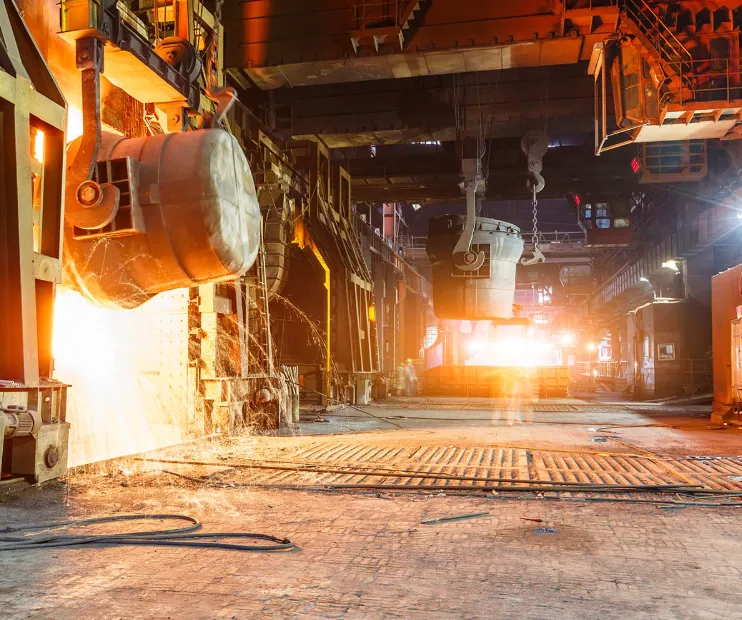
In fields such as aerospace, defense, oil and gas, and advanced manufacturing, cables often face conditions far more demanding than those found in typical indoor installations. Standard cables may function well in controlled environments, but they quickly fail when exposed to extreme temperatures, corrosive substances, heavy vibration, or continuous movement. Harsh-environment cables are engineered specifically to withstand these challenges, providing reliability where downtime is not an option.
Below are seven key advantages that set harsh-environment cables apart from conventional ones.
1. Exceptional Temperature Endurance
Standard cable jackets and insulation materials have narrow operating temperature ranges and can crack, melt, or harden when pushed outside their limits. Harsh-environment cables, however, are designed to remain functional in extreme heat and deep cold. Depending on the materials used, they can operate reliably from far below freezing to temperatures exceeding 200°C.
In aviation and space applications—where equipment may experience frigid conditions at altitude and intense heat near engines—high-performance fluoropolymer jackets maintain stability and prevent failure that ordinary insulation cannot withstand.
2. Protection Against Moisture and Chemicals
Industrial sites frequently expose cables to oils, solvents, hydraulic fluids, and saltwater. Traditional PVC jackets degrade quickly under these conditions, allowing liquids to penetrate and corrode internal components. Harsh-environment cables use rugged materials such as polyurethane, TPE, or advanced fluoropolymers that resist chemical attack and prevent water ingress.
This resistance is crucial in marine environments, offshore installations, and chemical processing plants where long-term cable integrity directly affects system reliability.
3. Increased Mechanical Strength and Flexibility
Heavy mechanical stress—bending, impact, vibration, or pulling—can quickly wear out standard cables. Harsh-environment designs incorporate reinforcements like aramid fibers, braided shields, and multi-layer jackets that protect against crushing and abrasion while maintaining flexibility.
These cables thrive in applications where movement is constant, such as robotic automation, subsea deployment, and portable military systems. Their ability to endure repeated stress without breaking ensures stable performance over extended periods.
4. Strong Defense Against Electromagnetic Interference
Electromagnetic interference can severely disrupt communication or data flow, especially in facilities with high-power motors, transmitters, or radar. Harsh-environment cables typically include shielding made from aluminum foil, copper braid, or a combination of both to preserve signal integrity.
This shielding also helps reduce internal crosstalk, making rugged cables ideal for high-speed data transmission in noisy industrial or military environments.
5. Resistance to UV Exposure, Fire, and Radiation
Outdoor and mission-critical installations demand materials that can survive continuous sunlight, resist flame spread, and tolerate radiation. Harsh-environment cables meet these requirements through:
- UV-resistant coatings that prevent cracking and premature aging
- Flame-retardant, low-smoke materials that reduce toxic emissions
- Radiation-tolerant compounds suited for nuclear facilities or space missions
These capabilities allow cables to operate safely in locations where environmental factors are intense and unpredictable.
6. Long Service Life in Critical Operations
Standard cables degrade quickly when exposed to extreme conditions, often requiring replacement after just a few years. Harsh-environment cables are built for long-term use, with many designs intended to last a decade or more even under constant stress.
Longer lifespan reduces maintenance costs, minimizes downtime, and enhances safety—particularly in remote or high-risk operations such as defense bases, offshore platforms, and unmanned sensor arrays.
7. Custom Engineering for Specialized Needs
High-risk environments rarely benefit from generic cable solutions. Harsh-environment cables can be tailored to specific requirements, including custom shielding, conductor counts, jacketing materials, geometry, and reinforcement levels.
This level of customization ensures that the final cable configuration aligns perfectly with the operational challenges of each application, improving both performance and reliability.
Conclusion: Built for Performance When Failure Isn’t an Option
Harsh-environment cables offer a significant upgrade over standard cables in terms of durability, safety, and longevity. They are engineered to excel where traditional materials fall short, delivering dependable performance in extreme conditions and ensuring compliance with demanding industry standards.
For organizations working in aerospace, defense, offshore energy, or industrial automation, investing in the right cable is more than a design choice—it is a strategic decision that safeguards operations and reduces long-term risk.
