



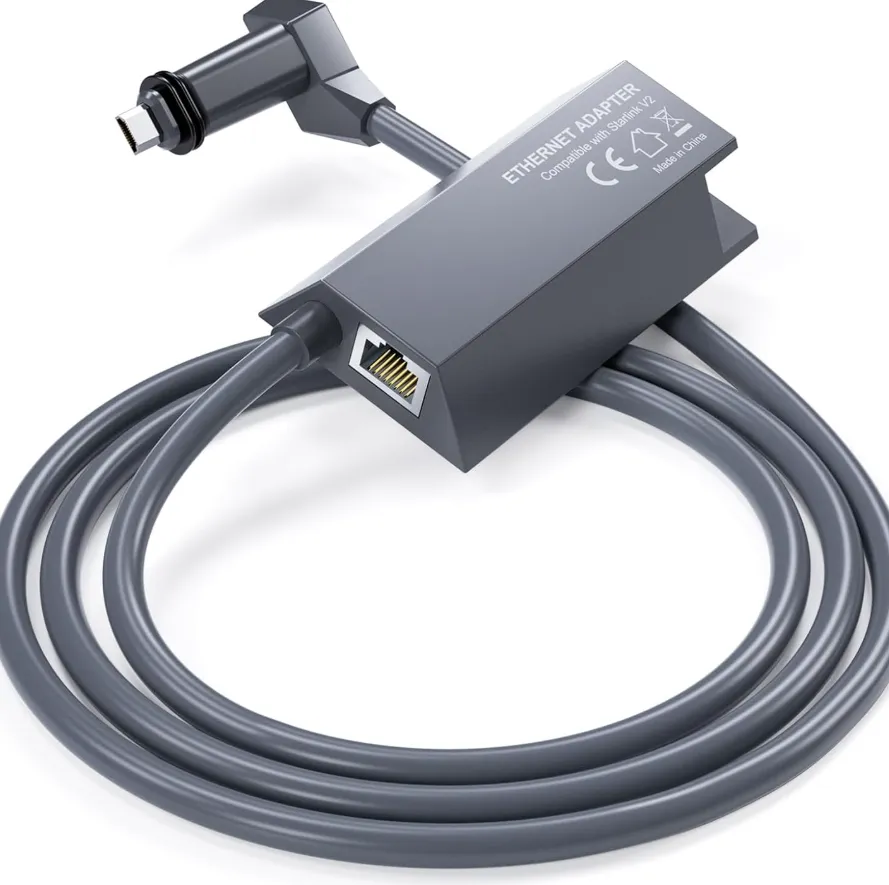
When building or upgrading a wired network, your choice of Ethernet cable can influence both performance and practicality. One of the most common questions people face is whether to use slim or regular Ethernet cables. Though they serve the same fundamental purpose—delivering a stable, wired internet connection—their design differences make each one better suited for specific situations. In this post, we’ll explore what sets them apart and help you decide which option fits your setup.
Understanding the Basics of Ethernet Cables
Ethernet cables are the backbone of reliable wired networking. Unlike Wi-Fi, they offer consistent speeds and lower latency, making them ideal for streaming, gaming, and business workloads. They come in categories like Cat5e, Cat6, Cat6a, and beyond, each supporting various levels of bandwidth. The distinction between slim and regular versions mainly comes down to the thickness of the cable, which affects flexibility, durability, and ease of installation.
What Makes a Cable “Slim”?
Slim Ethernet cables use a narrower jacket—usually around 3–4mm—which makes them easier to route in tight, crowded areas. Their compact size appeals to people who want a neat and lightweight cabling solution, especially when dealing with multiple wires in limited space.
Benefits of Slim Ethernet Cables:
- Easier to manage: Their flexibility makes them ideal for compact or cluttered setups.
- Space-efficient: Perfect for racks, shelves, or entertainment systems with tight spacing.
- Lightweight: They put less physical strain on ports and connectors.
- Cleaner appearance: Great when cables are visible and aesthetics matter.
Drawbacks to Keep in Mind:
- Less shielding: They may be more vulnerable to interference.
- Lower durability: Not the best choice for areas where cables are frequently moved or stepped on.
- Potential performance limits: In demanding environments, they may not deliver peak performance.
What Defines a Regular Ethernet Cable?
Regular Ethernet cables feature a thicker outer jacket—typically 5–8mm—and stronger internal shielding. This makes them more durable and better suited for high-performance and industrial environments.
Advantages of Regular Ethernet Cables:
- Improved shielding: They resist electromagnetic interference more effectively.
- Sturdier build: Ideal for high-traffic or commercial environments.
- High-speed readiness: Great for bandwidth-intensive activities.
- Long-lasting: Better insulation often leads to a longer service life.
Possible Downsides:
- More bulky: They take up more space and can be harder to conceal.
- Less flexible: Routing these cables in tight corners is more challenging.
- Heavier overall: Can strain ports if not supported properly.
How to Decide Between Slim and Regular Cables
Choosing between the two ultimately depends on how and where the cables will be used. Here are some practical considerations:
1. Available Space
- If you’re working in a tight environment—like behind a media console or in a crowded server rack—slim cables may make your life much easier.
- In open areas where space isn’t an issue, the sturdiness of regular cables can be a better fit.
2. Required Performance
- For heavy networking tasks, such as gaming, 4K streaming, or running multiple business devices, regular cables are generally the safer choice.
- Slim cables work just fine for everyday home use, like browsing and light streaming.
3. Durability Needs
- Regular cables are more resistant to wear, making them ideal for places where cables may be moved or handled often.
- Slim cables should be used where they won’t be subject to frequent stress.
4. Aesthetics and Organization
- Slim cables offer a polished, minimalist look and require less effort to keep tidy.
- Regular cables may need extra clips or organizers to keep them managed.
Final Thoughts
Both slim and regular Ethernet cables can deliver reliable wired connectivity, but the best choice depends on what matters most in your setup. Slim cables shine in tight spaces and visually exposed areas, while regular cables excel in performance-heavy and long-term applications. By considering your space, performance needs, and overall environment, you can choose the cable type that best aligns with your network goals.
