



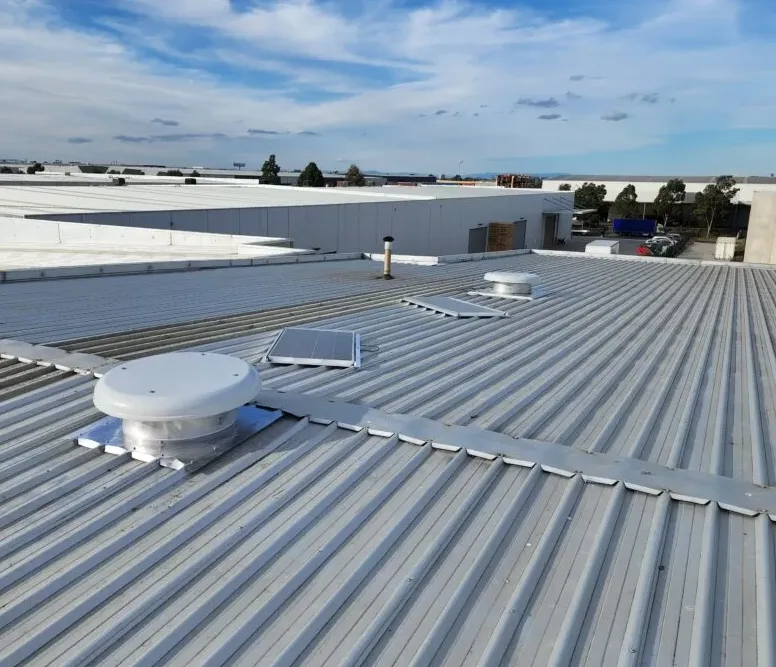
Fresh, healthy air is essential in every commercial environment—whether you’re running a high-heat kitchen, a bustling workshop, or a busy customer-facing space. With steam, fumes, odours, and dust all building up throughout the day, the right extractor fan can dramatically improve comfort, safety, and overall air quality. A well-chosen system not only removes pollutants but also keeps energy use under control, supporting both efficiency and compliance.
This guide walks you through the key types of commercial extractor fans, their benefits, and the features worth considering as you plan or upgrade your ventilation setup.
What Exactly Are Commercial Extractor Fans?
Commercial extractor fans are purpose-built ventilation units designed to expel stale air, moisture, smoke, and unwanted smells from busy or enclosed areas. By continuously pulling in fresh air and pushing out contaminated air, they maintain healthier conditions for both staff and customers. You’ll see them in kitchens, washrooms, warehouses, storage rooms, and anywhere ventilation plays a crucial role in daily operations.
Different Types of Commercial Extractor Fans
Choosing the right type of fan starts with understanding how each one works and where it performs best.
Axial Fans
Known for their straight-through airflow, axial fans work particularly well for short duct runs with little resistance. They’re a common choice for cafés, toilets, and small commercial kitchens where reliable, low-energy ventilation is needed.
Centrifugal Fans
These fans are built to handle longer duct runs or areas with higher air resistance. They generate stronger pressure, making them a top choice for larger kitchens or industrial spaces that deal with heavy steam or smoke.
Mixed Flow Fans
Mixed flow models strike a balance between compact design and strong airflow. They’re quieter than many alternatives and well-suited to general commercial environments that need flexible, efficient ventilation.
Inline Fans
Positioned inside the ductwork rather than on walls or ceilings, inline fans keep noise levels low and save space. They’re ideal for offices, restaurants, and other installations where discretion matters.
Energy Efficiency and Modern Fan Performance
Today’s commercial extractor fans do far more than simply shift air. New-generation designs use energy-efficient motors—often brushless DC units—to reduce power consumption while extending lifespan. Many models run comfortably on less than 40 watts during continuous operation, helping businesses cut down on electricity costs without sacrificing airflow.
Extractor Fans in Commercial Kitchens
Commercial kitchens are among the most demanding environments when it comes to ventilation. Heat, grease, steam, and airborne particles can quickly create an uncomfortable and unsafe atmosphere if not properly managed.
Quiet Operation
Modern extractor fans are engineered to minimise noise while maintaining powerful airflow. A quieter kitchen reduces stress and helps staff stay focused, even during peak service times.
Cleaner, Safer Air
Effective extraction helps remove cooking by-products—including smoke, grease vapour, and ultrafine particles—supporting hygiene, respiratory health, and compliance with sanitation standards.
Better Temperature Control
Good ventilation keeps temperatures manageable, reduces humidity, and prevents condensation. This makes the space more comfortable and helps protect surfaces and equipment from mould and moisture damage.
Kitchen Extractor Fan Options
Ducted Systems
These expel air directly outside and provide strong, reliable extraction. They’re the preferred solution for heavy-duty kitchen operations.
Ductless Systems
Using carbon filters to clean the air before recirculating it indoors, ductless models offer easier installation and are suitable for spaces without access to an external wall.
What to Consider When Choosing a Commercial Extractor Fan
A good extractor fan must balance power, efficiency, noise, and suitability for the space.
Installation Type
Inline, wall-mounted, or roof-mounted designs each have their advantages depending on location, noise sensitivity, and layout.
Static Pressure Requirements
Your ductwork affects airflow. The fan must be matched to the level of resistance to avoid overworking the system.
Operating Features
Humidity sensors, timers, motion sensors, and smart controls can automate ventilation and save energy.
Airflow Capacity
Measured in m³/h, airflow needs vary by environment. Busy kitchens and workshops require significantly higher air exchange rates.
Noise Level
Low-noise models are preferable in customer-facing areas or quiet workplaces.
Heat Recovery
Some advanced fans reclaim warmth from outgoing air to preheat incoming air, reducing energy waste and improving comfort.
Top Commercial Extractor Fan Picks at Meteor Electrical
Xpelair Centrifugal Extractor Fan
A durable, high-performance fan designed for kitchens, bathrooms, and demanding commercial areas. Its strong airflow and sturdy construction make it a reliable choice for long-term ventilation.
Xpelair Simply Silent Extractor Fan
Ideal for smaller commercial rooms or any space where low sound levels matter. Its quiet-running technology and adjustable timer settings make it both efficient and easy to manage.
Final Thoughts
A dependable commercial extractor fan isn’t just an optional extra—it’s a core part of maintaining a healthy, productive workspace. Whether you manage a restaurant, workshop, office, or retail setting, the right ventilation system brings fresher air, happier staff, and improved efficiency. Investing in quality now pays off in safety, comfort, and long-term operating savings.
